Project management software has evolved far beyond simple task lists and project timelines. In 2026, organizations rely on sophisticated project management platforms to coordinate teams, manage resources, track budgets, automate workflows, and gain real-time visibility into project performance. Whether a company is running a single marketing campaign, developing a software product, managing client deliverables, or overseeing a portfolio of strategic initiatives, the right project management software can significantly improve efficiency and decision-making.
However, not all project management tools are designed for the same purpose. Some focus on helping individuals organize personal workloads, while others enable large cross-functional teams to collaborate across departments. Enterprise-grade platforms often combine project planning, resource management, reporting, automation, and portfolio oversight into a single system.
Choosing the right software is not simply about selecting the platform with the longest feature list. Businesses must consider how their teams work, which project management methodologies they follow, where their data will be hosted, and how much visibility leadership requires across projects. A startup managing a handful of projects will have very different requirements than a multinational organization coordinating hundreds of initiatives simultaneously.
Understanding the different types of project management software is the first step toward making an informed decision. By identifying the categories available and evaluating how they align with your workflows, team structure, and growth plans, you can invest in a solution that supports both current operations and future scalability.
3 Main Types of Project Management Software
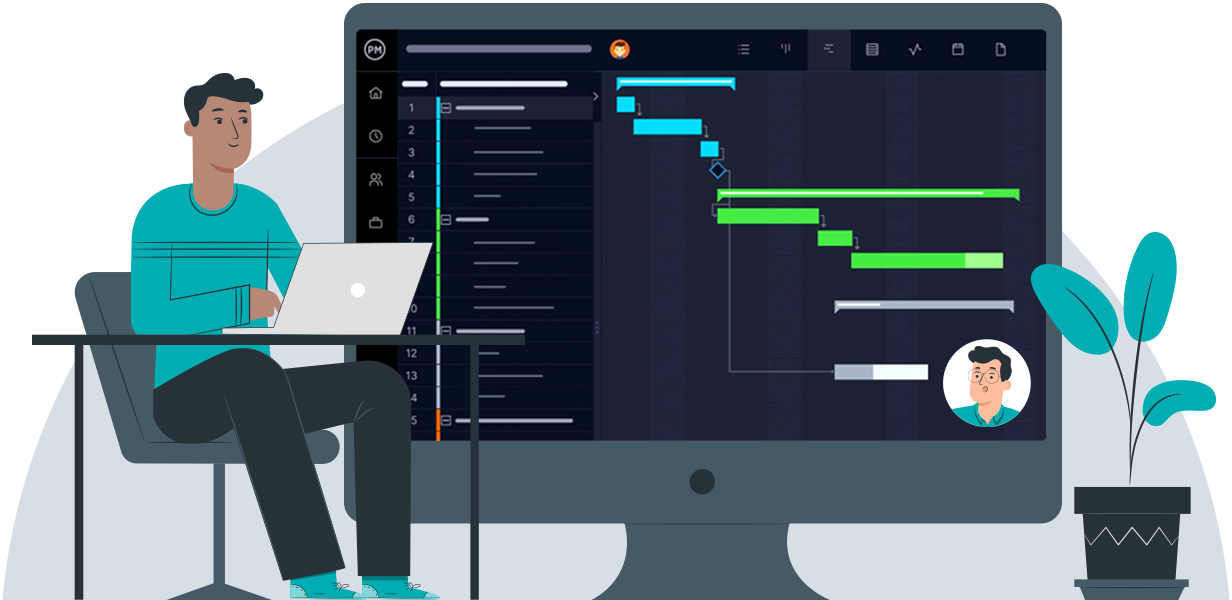
While project management platforms vary widely in features and complexity, most solutions fall into three primary categories: individual project management tools, collaborative project management tools, and integrated project management tools. Each category serves different business needs and organizational maturity levels.
Individual Project Management Tools
Individual project management tools are designed primarily for personal productivity and self-organization. These solutions help users manage tasks, deadlines, priorities, notes, and schedules without requiring extensive collaboration features.
They are particularly useful for freelancers, consultants, entrepreneurs, students, and professionals who need a structured way to organize their workload. Instead of relying on spreadsheets, sticky notes, or email reminders, users can create tasks, assign due dates, track progress, and maintain a clear overview of upcoming work.
Common capabilities often include:
- Personal task lists
- To-do management
- Calendar integration
- Priority tracking
- Reminders and notifications
- Goal management
- Time-blocking and scheduling
- Basic reporting dashboards
The primary benefit of individual project management software is simplicity. Users can quickly adopt the tool without extensive onboarding or process changes. These platforms help reduce missed deadlines, improve personal accountability, and create a structured workflow for daily activities.
However, individual tools have limitations when projects require multiple contributors. Features such as workload balancing, team communication, shared documentation, resource allocation, and advanced reporting are typically minimal or absent. As teams grow and projects become more complex, organizations often outgrow this category and move toward collaborative solutions.
Individual project management software is ideal when project ownership remains with a single person and coordination requirements are relatively straightforward.
Collaborative Project Management Tools
Collaborative project management tools are built to support teamwork. Rather than focusing solely on individual productivity, these platforms enable multiple stakeholders to work together within a shared environment.
Modern organizations increasingly rely on cross-functional teams involving marketing, product development, design, operations, finance, customer support, and external partners. Collaborative software provides a centralized workspace where all contributors can access project information, communicate effectively, and track progress in real time.
Typical features include:
- Shared project workspaces
- Team task assignment
- Kanban boards
- Project calendars
- Timeline and Gantt views
- File sharing and document collaboration
- Team communication tools
- Activity logs and audit trails
- Status updates and notifications
- Workflow automation
One of the biggest advantages of collaborative project management software is transparency. Team members can instantly see who is responsible for specific tasks, which deadlines are approaching, and how individual work contributes to overall project goals.
Collaboration tools also improve accountability. Every task update, comment, file upload, and status change is recorded, creating a clear project history that reduces confusion and eliminates unnecessary meetings.
For remote and hybrid teams, collaborative platforms have become essential. They provide a virtual workspace where distributed teams can coordinate work regardless of location or time zone.
These tools are often well-suited for:
- Marketing teams
- Creative agencies
- Product teams
- Software development groups
- Professional service firms
- Client delivery teams
- Operations departments
As project complexity increases, collaborative software helps organizations maintain alignment while ensuring projects continue moving forward efficiently.
Integrated Project Management Tools
Integrated project management tools represent the most comprehensive category of project management software. These platforms combine project execution capabilities with broader business management functions, creating a unified system for planning, tracking, reporting, and governance.
Instead of managing projects in isolation, integrated platforms connect projects with organizational resources, budgets, strategic objectives, and portfolio-level reporting.
Common features often include:
- Project and portfolio management
- Resource planning and allocation
- Capacity management
- Budget tracking
- Financial forecasting
- Risk management
- Dependency mapping
- Workflow automation
- Business intelligence dashboards
- Advanced reporting
- Time tracking
- Team utilization monitoring
- AI-powered project insights
- Cross-project visibility
Integrated software is particularly valuable for organizations managing multiple projects simultaneously. Leadership teams gain visibility into resource constraints, project risks, financial performance, and portfolio health from a single source.
For example, if a key resource is assigned to multiple projects, integrated software can identify potential bottlenecks before deadlines are affected. Similarly, executives can assess whether ongoing projects align with strategic priorities and available capacity.
As organizations scale, integrated project management platforms help maintain consistency across departments by standardizing processes, reporting structures, governance policies, and project workflows.
This category is commonly used by:
- Large enterprises
- Project management offices (PMOs)
- Engineering organizations
- Construction firms
- IT departments
- Consulting companies
- Multi-department organizations
- Businesses managing extensive project portfolios
Integrated project management software provides the highest level of visibility, control, and scalability, making it a preferred choice for organizations with complex operational requirements.
3 More Factors That Shape Your Software Choice: Methodology, Deployment, and Scope
Selecting project management software involves more than choosing a category. Businesses must also evaluate how the platform supports their preferred methodology, deployment requirements, and operational scope. These factors often have a greater impact on long-term success than individual features alone.
Methodology: Agile vs. Waterfall vs. Hybrid
Project management methodologies define how work is planned, executed, monitored, and delivered. The software you choose should support the methodology your team uses most frequently.
Agile Project Management
Agile focuses on iterative delivery, continuous improvement, and rapid adaptation to changing requirements. Work is typically organized into short cycles called sprints, allowing teams to deliver incremental value and respond quickly to feedback.
Software designed for Agile teams commonly includes:
- Sprint planning
- Product backlogs
- Kanban boards
- Scrum workflows
- Story points
- Velocity tracking
- Burndown charts
- Retrospective management
Agile tools are particularly popular among software development, product management, and innovation-focused teams where requirements evolve frequently.
Waterfall Project Management
Waterfall follows a structured, sequential process where each project phase must be completed before the next begins. Requirements, timelines, budgets, and deliverables are typically defined early in the project lifecycle.
Waterfall-oriented software often emphasizes:
- Detailed project schedules
- Milestone tracking
- Gantt charts
- Phase-based planning
- Critical path analysis
- Formal approvals
- Budget controls
- Documentation management
Industries such as construction, manufacturing, engineering, and infrastructure projects frequently rely on Waterfall approaches because project requirements tend to be more predictable.
Hybrid Project Management
Many organizations now operate in hybrid environments where different teams use different methodologies. Product teams may work in Agile sprints while executive planning, budgeting, and governance processes follow Waterfall principles.
Hybrid project management software bridges these approaches by supporting multiple planning frameworks within a single platform.
Benefits include:
- Greater organizational flexibility
- Consistent reporting across teams
- Easier resource coordination
- Improved executive visibility
- Better alignment between strategy and execution
As organizations become more diverse and project portfolios expand, hybrid capabilities have become increasingly important in modern project management software.
Deployment: Cloud vs. On-Premises
Deployment models determine where project management software is hosted and how users access it.
Cloud-Based Project Management Software
Cloud deployment has become the dominant model in 2026 because it offers flexibility, scalability, and lower infrastructure requirements.
Advantages include:
- Faster implementation
- Automatic updates
- Remote accessibility
- Lower upfront costs
- Simplified maintenance
- Easier collaboration
- Scalable storage and resources
Cloud solutions are especially beneficial for distributed teams, remote workforces, and organizations seeking rapid deployment.
On-Premises Project Management Software
On-premises software is installed and maintained within an organization’s own infrastructure. This model provides greater control over systems, data storage, security policies, and compliance requirements.
Benefits may include:
- Complete data ownership
- Custom security configurations
- Internal hosting control
- Compliance support for regulated industries
- Integration with legacy systems
However, on-premises deployments typically require greater investment in hardware, maintenance, upgrades, and IT resources.
Organizations operating in highly regulated sectors or with strict data governance requirements may still prefer this deployment model despite the industry’s shift toward cloud-based solutions.
Scope: Task-Level vs. Portfolio-Level
The scope of work your organization manages should strongly influence software selection.
Task-Level Management
Task-level software focuses on individual activities and project execution. Teams use these tools to organize assignments, monitor deadlines, and track progress on specific deliverables.
Core capabilities often include:
- Task management
- Checklists
- Due dates
- Team assignments
- Project boards
- Progress tracking
This level of software works well for small teams and organizations managing a limited number of projects.
Portfolio-Level Management
Portfolio-level project management provides a strategic view across multiple projects, programs, and departments.
Capabilities often include:
- Portfolio dashboards
- Resource forecasting
- Budget oversight
- Risk management
- Capacity planning
- Strategic alignment reporting
- Program management
- Executive analytics
Rather than asking, “Is this task complete?” portfolio-level software helps leadership answer questions such as:
- Which projects deliver the highest value?
- Where are resource bottlenecks emerging?
- Which initiatives are at risk?
- How effectively are budgets being utilized?
- Are projects aligned with strategic objectives?
As organizations scale, portfolio-level visibility becomes increasingly important for maintaining control, prioritizing investments, and maximizing business outcomes.
What are the Benefits of Using a Project Management Tool?
Modern project management software does much more than organize tasks. The best platforms create visibility, improve collaboration, reduce operational friction, and enable smarter decision-making across the organization.
Immediate Scope Visibility
One of the most valuable benefits of project management software is instant visibility into project scope. Teams can clearly understand what work must be completed, who owns each deliverable, when deadlines occur, and how tasks relate to larger project objectives.
Without centralized visibility, projects often suffer from duplicated work, unclear priorities, missed deadlines, and stakeholder confusion. A project management platform provides a real-time overview of project status, helping teams identify gaps before they become major problems.
Managers gain the ability to monitor progress across multiple projects simultaneously while team members remain aligned on expectations and responsibilities.
Seamless Handoff Logging
Projects frequently move between departments, stakeholders, and specialists. Marketing teams hand work to designers, designers transfer assets to developers, and developers coordinate with quality assurance teams.
Without proper documentation, critical context can be lost during these transitions.
Project management software creates a detailed record of discussions, approvals, updates, files, and decisions. Every handoff becomes traceable, reducing misunderstandings and ensuring continuity throughout the project lifecycle.
This documented history improves accountability, accelerates onboarding, and provides valuable context whenever project questions arise.
Data-Driven Capacity
Resource planning becomes increasingly difficult as organizations grow. Managers often struggle to determine whether teams have enough capacity to take on additional work or whether workloads are becoming unsustainable.
Project management software helps solve this challenge by providing real-time utilization data and workload visibility.
Organizations can:
- Monitor team availability
- Forecast future resource needs
- Identify overallocated employees
- Balance workloads effectively
- Improve hiring decisions
- Prevent burnout
Data-driven capacity planning enables more accurate project scheduling and improves overall operational efficiency.
Real-Time Dependency Tracking
Many projects contain interconnected tasks where one activity cannot begin until another has been completed. Managing these dependencies manually becomes increasingly difficult as projects grow in complexity.
Project management software automatically tracks relationships between tasks, milestones, and deliverables.
Benefits include:
- Earlier risk identification
- Improved schedule accuracy
- Faster issue resolution
- Reduced project delays
- Better coordination between teams
When one task slips behind schedule, managers can immediately see which downstream activities may be affected and take corrective action before timelines are compromised.
Single Source of Truth
Organizations often store project information across emails, spreadsheets, messaging apps, documents, and disconnected systems. This fragmentation creates confusion and increases the likelihood of conflicting information.
A project management platform consolidates critical project data into one centralized environment.
Teams can access:
- Tasks
- Timelines
- Files
- Discussions
- Reports
- Budgets
- Approvals
- Project documentation
Having a single source of truth improves collaboration, reduces information silos, and ensures all stakeholders work from the same set of data.
High-Signal AI Output
Artificial intelligence has become one of the most transformative developments in project management software.
Modern AI-powered project management tools can analyze project data and generate meaningful insights rather than simply automating repetitive tasks.
Examples include:
- Risk prediction
- Timeline forecasting
- Resource optimization recommendations
- Automated project summaries
- Meeting recap generation
- Task prioritization suggestions
- Workload balancing recommendations
- Progress reporting automation
The most effective AI features reduce administrative work while helping managers focus on strategic decision-making. Instead of spending hours compiling status reports or analyzing spreadsheets, teams receive actionable insights generated from real-time project data.
As AI capabilities continue to mature throughout 2026, high-quality project management software increasingly serves as a decision-support system rather than just a task-tracking platform.
Which Type of Project Management Software Fits Your Business?

The best project management software is not necessarily the platform with the most features—it is the one that aligns with how your business operates, collaborates, and scales. Choosing the wrong category can lead to poor adoption, unnecessary complexity, and wasted investment. Choosing the right one creates visibility, accountability, and operational efficiency across your organization.
To determine which type of project management software fits your business, start by evaluating the complexity of your projects, the size of your team, the level of collaboration required, and the amount of oversight leadership needs.
Individual Project Management Tools Are Best for Independent Work
If most work is handled by one person with limited collaboration requirements, individual project management tools can provide enough structure without overwhelming users with unnecessary functionality.
These tools are often a good fit for:
- Freelancers and consultants
- Solopreneurs
- Independent contractors
- Personal productivity management
- Students and researchers
- Small service providers
The primary objective is organizing tasks, tracking deadlines, and maintaining a clear workload overview. Simplicity, ease of use, and fast adoption matter more than advanced reporting or resource management capabilities.
However, once multiple contributors become involved in projects, individual tools can quickly become restrictive.
Collaborative Project Management Software Fits Growing Teams
When projects require coordination between multiple departments, stakeholders, or clients, collaborative project management software becomes the better option.
These platforms help teams:
- Assign and manage responsibilities
- Share files and documentation
- Track project progress collectively
- Communicate within project contexts
- Monitor deadlines and milestones
- Coordinate cross-functional work
Collaborative software is particularly effective for:
- Marketing teams
- Design agencies
- Product development groups
- Software teams
- Operations departments
- Client service organizations
- Remote and hybrid workforces
In 2026, collaboration capabilities have become increasingly important as organizations operate across multiple locations and rely on distributed teams. Real-time updates, shared workspaces, and centralized communication help reduce information silos and improve execution speed.
Integrated Project Management Software Supports Complex Organizations
Organizations managing multiple projects, departments, or strategic initiatives often require integrated project management software.
These platforms are designed to provide both project-level execution and enterprise-wide oversight.
Integrated systems are ideal for businesses that need:
- Portfolio management
- Resource forecasting
- Budget visibility
- Capacity planning
- Executive reporting
- Governance controls
- Risk management
- Cross-project dependencies
Examples include:
- Large enterprises
- PMOs (Project Management Offices)
- IT organizations
- Engineering firms
- Consulting companies
- Construction businesses
- Multi-department corporations
Rather than focusing only on task completion, integrated software helps leadership understand overall organizational performance and make better strategic decisions.
Match Software to Your Growth Stage
One of the most common mistakes businesses make is selecting software based solely on current needs.
A startup with five employees may not need enterprise portfolio management today, but it should consider whether its chosen platform can support growth over the next several years.
Questions worth asking include:
- Will team size increase significantly?
- Will project volume grow?
- Will multiple departments eventually use the platform?
- Will executives require portfolio reporting?
- Will resource planning become necessary?
- Will AI-driven automation become important?
Selecting software that can scale alongside the business reduces migration challenges and prevents costly disruptions later.
Focus on Workflows, Not Features
Many organizations become distracted by feature comparisons during software evaluations. While functionality matters, workflow alignment matters more.
The right software should naturally support how teams:
- Plan projects
- Track progress
- Communicate
- Review work
- Manage approvals
- Allocate resources
- Report outcomes
If teams must constantly work around the system, adoption rates suffer regardless of how many features the platform offers.
The best project management software feels like a natural extension of existing workflows while providing opportunities for improvement and automation.
What Good Project Management Software Includes
Modern project management software has evolved beyond basic task tracking. The most effective platforms combine planning, collaboration, visibility, automation, reporting, and intelligence into a unified workspace that supports both day-to-day execution and long-term business objectives.
While specific features vary by category, high-quality project management software typically includes several essential capabilities.
Flexible Task and Project Management
Every project management platform should provide strong task management functionality as its foundation.
Teams should be able to:
- Create and assign tasks
- Set priorities
- Establish deadlines
- Organize work into projects
- Track progress visually
- Manage recurring activities
- Monitor completion status
Flexibility is particularly important because different teams often prefer different planning methods. Some teams work best with lists, while others prefer Kanban boards, calendars, timelines, or Gantt charts.
Good software allows users to visualize the same work in multiple ways without creating duplicate information.
Multiple Project Views
Projects become easier to manage when information can be viewed from different perspectives.
Leading project management tools typically offer:
- List views
- Kanban boards
- Calendar views
- Timeline views
- Gantt charts
- Workload dashboards
- Portfolio dashboards
These visualization options help different stakeholders access information in the format most useful to their role.
Executives may prefer portfolio dashboards, while team members rely on Kanban boards and project managers depend on timelines and dependency maps.
Team Collaboration Features
Collaboration capabilities are essential in modern project environments.
Good project management software centralizes communication around actual work rather than scattering conversations across email chains and messaging platforms.
Useful collaboration features include:
- Task comments
- Team discussions
- Mentions and notifications
- Shared workspaces
- File attachments
- Document collaboration
- Approval workflows
- Activity histories
By connecting conversations directly to projects and tasks, organizations reduce miscommunication and improve accountability.
Resource and Workload Management
As teams grow, understanding resource availability becomes increasingly important.
Advanced project management software helps managers:
- Monitor workload distribution
- Forecast capacity
- Prevent over-allocation
- Track utilization
- Balance assignments
- Plan future staffing needs
Without visibility into team capacity, projects frequently encounter delays, burnout, and productivity issues.
Resource management capabilities allow organizations to make more informed planning decisions and improve delivery consistency.
Dependency and Timeline Tracking
Projects often involve complex relationships between tasks, teams, and milestones.
Quality project management software helps organizations:
- Define dependencies
- Track critical paths
- Identify scheduling conflicts
- Forecast delays
- Monitor milestone progress
- Adjust timelines dynamically
Dependency management improves planning accuracy and helps teams respond proactively when project schedules change.
Workflow Automation
Automation has become a core component of project management software in 2026.
Manual administrative work often consumes significant time that could be spent on higher-value activities.
Automation capabilities commonly support:
- Task assignment rules
- Status updates
- Deadline reminders
- Approval routing
- Escalation processes
- Notification triggers
- Workflow transitions
- Report generation
Automated workflows improve consistency while reducing repetitive effort across the organization.
Reporting and Analytics
Project success depends on visibility into performance.
Strong reporting capabilities allow organizations to monitor:
- Project progress
- Team productivity
- Resource utilization
- Budget performance
- Milestone completion
- Delivery risks
- Portfolio health
- Strategic alignment
Modern dashboards provide real-time insights that help managers identify problems early and make faster decisions.
AI-Powered Project Intelligence
Artificial intelligence is rapidly becoming a defining feature of next-generation project management software.
Rather than simply storing project data, AI systems actively analyze information and provide recommendations.
Examples include:
- Risk detection
- Deadline forecasting
- Automated status summaries
- Task prioritization suggestions
- Capacity recommendations
- Resource optimization insights
- Meeting summaries
- Project health monitoring
The best AI features generate actionable information that improves decision-making instead of creating unnecessary noise.
Security, Governance, and Permissions
As project management platforms become central repositories for organizational information, security becomes increasingly important.
Good software includes:
- Role-based permissions
- Access controls
- Audit logs
- Data encryption
- Compliance support
- Single sign-on integration
- Multi-factor authentication
- Governance controls
These features help organizations maintain security while ensuring users have appropriate access to project information.
How To Choose the Right Type of Project Management Software
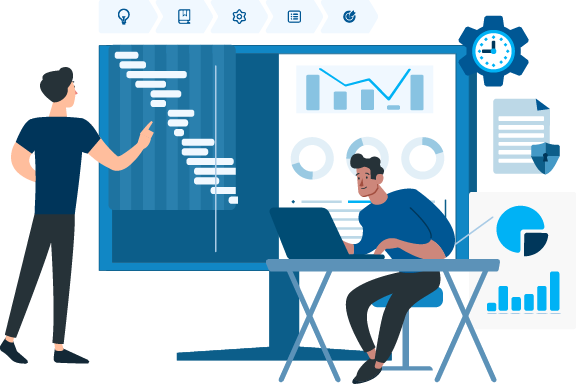
Selecting project management software should be a structured process rather than a feature comparison exercise. Organizations that focus on workflows, adoption, scalability, and real-world usability are far more likely to achieve long-term success.
Step 1: Decide Who You Are Buying For
Before evaluating software platforms, identify the primary users.
Different stakeholders have very different needs.
For example:
- Individual contributors prioritize simplicity and usability.
- Project managers need planning and tracking capabilities.
- Department leaders require reporting and workload visibility.
- Executives focus on portfolio insights and strategic alignment.
- IT teams evaluate security and integration requirements.
Many implementations fail because software is selected primarily for management while overlooking the needs of the people who use it every day.
The best project management software serves both operational users and leadership stakeholders.
Step 2: Map Your Work to a Category
Next, identify which project management software category aligns with your operational environment.
Ask questions such as:
- Are projects managed by individuals or teams?
- How much collaboration occurs daily?
- How many projects run simultaneously?
- Do we require portfolio oversight?
- Is resource planning important?
- Do executives need organization-wide visibility?
In general:
- Individual tools suit personal productivity.
- Collaborative tools support team execution.
- Integrated platforms support enterprise-scale project portfolios.
Matching your operational reality to the appropriate category narrows the evaluation process significantly.
Step 3: Layer on Your Style and Rules
After selecting a category, evaluate how the platform supports your preferred management approach.
Consider factors such as:
- Agile workflows
- Waterfall planning
- Hybrid methodologies
- Governance requirements
- Approval processes
- Security policies
- Compliance obligations
- Reporting standards
The software should accommodate existing business processes while providing flexibility for future improvement.
Avoid forcing teams into workflows that conflict with how they naturally operate.
Step 4: Pressure-Test the AI
As AI becomes increasingly integrated into project management software, organizations should carefully evaluate whether these capabilities provide meaningful value.
Key questions include:
- Does AI save time?
- Are recommendations actionable?
- Can it identify risks accurately?
- Does it improve planning quality?
- Can it summarize project information effectively?
- Does it reduce administrative workload?
The most effective AI solutions enhance decision-making and productivity rather than simply adding novelty features.
Organizations should evaluate AI performance using real project scenarios rather than vendor demonstrations alone.
Step 5: Pilot on Real Work
A pilot project is one of the most reliable ways to validate software suitability.
Instead of relying solely on demonstrations, implement the platform with an actual project and real users.
Monitor:
- Adoption rates
- Ease of use
- Collaboration effectiveness
- Workflow efficiency
- Reporting quality
- Integration performance
- AI usefulness
- Administrative overhead
Gather feedback from all stakeholder groups before making a final decision.
Real-world testing often reveals strengths and weaknesses that are impossible to identify during a product demonstration.
How to Keep Your Project Management Software Working as You Scale?

Implementing project management software is only the beginning. As organizations grow, project complexity increases, team structures evolve, and reporting requirements become more sophisticated. Maintaining long-term effectiveness requires continuous optimization.
Check Your Fit Every Quarter
Business needs change quickly.
A platform that worked perfectly twelve months ago may no longer support current requirements.
Quarterly reviews help organizations evaluate:
- User adoption levels
- Process effectiveness
- Reporting quality
- Capacity planning needs
- Automation opportunities
- Integration requirements
- Emerging bottlenecks
Regular assessments ensure the platform continues supporting organizational objectives as the business evolves.
Protect the Maker View
As organizations scale, there is often pressure to add more dashboards, fields, workflows, and approval processes.
While governance is important, excessive complexity can reduce productivity for frontline users.
Project contributors need interfaces that remain:
- Clear
- Fast
- Intuitive
- Focused on execution
Protecting the day-to-day user experience encourages adoption and minimizes resistance to process changes.
The people doing the work should not be overwhelmed by administrative requirements designed primarily for reporting purposes.
Standardize Only What Matters
Standardization improves consistency, but excessive standardization can limit flexibility and innovation.
Organizations should standardize areas that deliver clear value, including:
- Project templates
- Status reporting formats
- Governance processes
- Naming conventions
- Risk management frameworks
- Approval workflows
At the same time, teams should retain enough flexibility to adapt workflows to specific project requirements.
Balanced governance supports both efficiency and agility.
Plan Your Next Move Early
Successful organizations view project management software as an evolving capability rather than a fixed implementation.
As project volume grows, future needs may include:
- Portfolio management
- Advanced resource planning
- Capacity forecasting
- AI-driven insights
- Expanded automation
- Financial management
- Strategic planning integration
- Enterprise governance controls
Planning for future requirements early reduces disruption and ensures software continues supporting business growth.
The most effective organizations regularly evaluate where they are today, where they expect to be in the future, and whether their project management platform can successfully bridge that gap.
3 Examples of Project Management Software in Action
Understanding project management software categories is important, but seeing how organizations use them in real-world situations provides a clearer picture of their value. Different teams face different challenges, from managing sprint-based product development to coordinating dozens of simultaneous marketing initiatives or overseeing large project portfolios.
The following examples illustrate how modern project management software supports planning, collaboration, visibility, resource allocation, and decision-making across various business environments.
Example 1: Two-Week Sprints for a Product Engineering Team
A software company with a 25-person product engineering team operates using Agile Scrum methodology. The team includes developers, QA engineers, UX designers, product managers, and technical leads who work in two-week sprint cycles.
Without a centralized project management platform, sprint planning becomes difficult, priorities frequently shift, and teams struggle to track dependencies between development tasks. Progress updates often require lengthy meetings, and leadership lacks visibility into delivery risks.
By implementing collaborative project management software designed for Agile workflows, the team can organize work through:
- Product backlogs
- Sprint planning boards
- User stories and epics
- Kanban workflows
- Burndown charts
- Sprint velocity tracking
- Dependency management
- Automated progress reporting
At the start of each sprint, product managers prioritize backlog items while team members estimate effort and assign story points. Throughout the sprint, developers update task statuses in real time, allowing stakeholders to monitor progress without requesting manual updates.
When dependencies threaten delivery schedules, the software automatically highlights potential bottlenecks, enabling managers to intervene before deadlines are impacted.
The result is:
- Faster sprint planning
- Improved transparency
- Better workload distribution
- Reduced project risk
- More predictable release schedules
- Stronger collaboration between engineering and product teams
For Agile product organizations, project management software serves as the operational hub that connects planning, execution, and continuous improvement.
Example 2: 10+ Concurrent Campaigns for an In-House Marketing Studio
A growing enterprise marketing department supports multiple business units and manages more than ten active campaigns simultaneously. The team consists of content creators, graphic designers, marketing strategists, social media specialists, videographers, and campaign managers.
Each campaign involves numerous moving parts, including:
- Content production
- Creative design
- Approval workflows
- Media planning
- Landing page development
- Social media scheduling
- Email marketing
- Performance reporting
Without collaborative project management software, campaign information becomes scattered across spreadsheets, emails, messaging platforms, and shared drives. Team members struggle to determine project status, deadlines are occasionally missed, and approval bottlenecks delay campaign launches.
Using collaborative project management software, the marketing team creates dedicated workspaces for each campaign.
Project managers can:
- Assign tasks to specialists
- Track production timelines
- Manage creative approvals
- Monitor campaign milestones
- Store assets centrally
- Automate recurring workflows
- Coordinate cross-functional collaboration
Calendar and timeline views provide visibility into upcoming launches, while workload dashboards help managers balance assignments across creative teams.
When executives request campaign updates, reporting dashboards provide instant access to progress metrics without requiring manual data collection.
Benefits include:
- Better campaign coordination
- Faster approvals
- Reduced communication gaps
- Increased resource efficiency
- Improved deadline adherence
- Greater visibility across all marketing initiatives
For marketing organizations managing multiple concurrent projects, project management software creates a centralized environment where planning, execution, and reporting remain aligned.
Example 3: A 6-Person PMO Watching 60 Active Projects
A mid-sized organization operates a Project Management Office (PMO) responsible for overseeing approximately 60 active projects across IT, operations, finance, customer experience, and business transformation initiatives.
The PMO consists of six project professionals tasked with monitoring project health, managing governance processes, forecasting resource requirements, and providing executive-level reporting.
Managing this level of complexity using spreadsheets or disconnected tools would create significant visibility challenges.
The PMO adopts integrated project management software that combines project execution with portfolio-level oversight.
The platform enables the team to:
- Monitor all active projects from a centralized dashboard
- Track project budgets and expenditures
- Forecast resource demand
- Identify portfolio risks
- Analyze project dependencies
- Standardize governance processes
- Generate executive reports automatically
- Prioritize strategic initiatives
Rather than reviewing dozens of individual project reports manually, leadership gains access to real-time portfolio dashboards showing:
- Project health indicators
- Resource utilization
- Budget performance
- Schedule variance
- Strategic alignment
- Emerging risks
When resource conflicts occur between departments, the PMO can evaluate capacity data and adjust priorities before delivery schedules are affected.
As the organization grows, portfolio-level visibility enables leadership to allocate resources more effectively and focus investments on initiatives with the highest strategic value.
This example demonstrates why integrated project management software becomes essential when organizations manage large project portfolios and require enterprise-wide oversight.
How We Manage Different Project Types in Corexta
Different projects require different management approaches. A software development sprint has very different requirements than a client implementation project, an internal process improvement initiative, or a long-term operational program. Effective project management depends on having a flexible system that can adapt to varying workflows while maintaining visibility and control.
Corexta approaches project management through a centralized workspace that combines project planning, task management, collaboration, time tracking, client management, and operational visibility in a single platform. This allows teams to manage multiple project types without switching between disconnected systems.
Managing Agile and Sprint-Based Projects
For teams working in Agile environments, Corexta supports visual task management through Kanban-style workflows that help teams track work as it moves through different stages of completion. Project teams can organize tasks, assign responsibilities, prioritize work items, and monitor sprint progress through a centralized workspace.
This helps product, development, and technical teams maintain visibility across active work while ensuring everyone understands current priorities and project status.
Managing Client Delivery Projects
Client-facing organizations often need more than task tracking alone. They must coordinate deliverables, manage contracts, track billable work, and maintain communication throughout the project lifecycle.
Corexta allows teams to manage projects alongside client information, contracts, timesheets, invoices, and project activities from a unified environment. This reduces information silos and helps service-based businesses maintain a complete view of both project execution and client relationships.
With project data connected to operational processes, teams can monitor progress while maintaining visibility into project-related financial and client-management activities.
Managing Complex Multi-Phase Projects
For larger initiatives involving multiple milestones, dependencies, and long-term timelines, Corexta provides project roadmap and planning capabilities that allow teams to visualize schedules and project progression over time. Gantt chart functionality helps project managers organize activities, understand dependencies, and maintain visibility across key milestones.
This is particularly valuable for projects that require coordinated execution across multiple departments or stakeholders.
Supporting Operational Visibility
Beyond project execution, Corexta helps organizations track time spent on work, monitor project progress, and maintain real-time visibility into operational performance. Teams can use timesheets, task management tools, reporting capabilities, and project monitoring features to support informed decision-making throughout the project lifecycle.
Because project management, collaboration, client management, and business operations are connected within a single platform, organizations can reduce tool fragmentation while maintaining a more complete view of ongoing work. Try Corexta free today!
4 Mistakes That Kill Your PM Software Rollout
Implementing project management software is a significant investment in operational efficiency. However, many organizations fail to achieve expected results not because the software is inadequate, but because adoption and implementation challenges are overlooked.
Avoiding the following mistakes can dramatically improve the success of a project management software rollout.
Buying for the Buyer, Not the User
One of the most common implementation mistakes occurs when software selection is driven primarily by executives, department heads, or procurement teams rather than the people who will use the system every day.
Leadership may prioritize:
- Executive dashboards
- Portfolio reports
- Governance controls
- Advanced analytics
Meanwhile, project contributors care more about:
- Ease of use
- Task management
- Collaboration
- Workflow efficiency
- Daily productivity
If the software creates friction for frontline users, adoption rates decline rapidly regardless of how impressive executive reporting capabilities may be.
Successful implementations involve representatives from all stakeholder groups throughout the evaluation process. The software must support strategic oversight while remaining practical for daily project execution.
Confusing Methodology With Category
Organizations sometimes assume that choosing Agile, Waterfall, or Hybrid project management automatically determines which software category they need.
In reality, methodology and software category solve different problems.
Methodology determines how work is managed.
Category determines the level of collaboration and organizational oversight required.
For example:
- A small Agile team may only need collaborative project management software.
- A large enterprise using Agile practices may require integrated portfolio management capabilities.
- A Waterfall-based engineering organization may still benefit from enterprise-level resource planning.
Selecting software based solely on methodology can lead to capability gaps that become increasingly problematic as project complexity grows.
The better approach is to first identify the appropriate software category and then evaluate how effectively each platform supports your preferred methodology.
Outgrowing the Category Without Noticing
Project management needs rarely remain static.
As organizations expand, project volumes increase, teams grow, reporting requirements become more sophisticated, and leadership demands greater visibility.
Many businesses begin with simple task management tools that work well initially but eventually struggle to support:
- Cross-functional collaboration
- Resource planning
- Portfolio management
- Advanced reporting
- Governance requirements
- Capacity forecasting
Unfortunately, organizations often continue using software that no longer fits their operational needs because migration appears inconvenient.
Warning signs include:
- Excessive spreadsheet usage
- Duplicate data entry
- Limited reporting capabilities
- Resource conflicts
- Poor portfolio visibility
- Increasing administrative overhead
Regular software evaluations help organizations identify when their current category is no longer aligned with business requirements.
Choosing Based on a Demo Instead of a Pilot
Product demonstrations are designed to highlight strengths under ideal conditions. While demonstrations can showcase functionality, they rarely reveal how software performs within real organizational workflows.
Many implementation failures occur because businesses purchase software after impressive demonstrations without validating practical usability.
A structured pilot provides significantly more valuable insights.
During a pilot, organizations can evaluate:
- User adoption
- Workflow compatibility
- Reporting quality
- Integration performance
- Collaboration effectiveness
- Automation capabilities
- AI usefulness
- Administrative complexity
Testing software using actual projects and real team members exposes strengths and weaknesses that demonstrations cannot replicate.
The most successful project management software implementations are typically preceded by controlled pilots that validate fit before full-scale deployment.
Frequently Asked Questions About Types of Project Management Software
What’s the difference between project management software and task management software?
Task management software focuses primarily on organizing and tracking individual tasks. It typically includes features such as to-do lists, deadlines, reminders, and personal productivity tools.
Project management software provides a broader framework for planning, coordinating, and monitoring entire projects. In addition to task management, it often includes collaboration tools, timelines, resource management, reporting, dependencies, budgeting, workflow automation, and portfolio visibility.
Task management is generally a component of project management, but project management software offers significantly more oversight and coordination capabilities.
Is free project management software worth using?
Free project management software can be an excellent starting point for individuals, freelancers, startups, and small teams.
Many free plans offer core functionality such as:
- Task management
- Team collaboration
- Basic reporting
- Project tracking
- File sharing
However, free plans often include limitations related to user counts, storage, automation, reporting depth, integrations, and advanced project management features.
Organizations with growing operational complexity may eventually require paid solutions that provide greater scalability and administrative control.
Can you use project management software for personal tasks?
Yes. Many project management tools can effectively support personal productivity and life management.
Individuals commonly use project management software to organize:
- Personal goals
- Study schedules
- Household projects
- Event planning
- Freelance work
- Content creation
- Financial planning
- Travel preparation
Simple project management platforms often provide enough flexibility to manage both personal and professional responsibilities from a centralized workspace.
What is open-source project management software?
Open-source project management software is software whose source code is publicly available for modification and customization.
Organizations can typically:
- Self-host the platform
- Customize features
- Integrate proprietary systems
- Modify workflows
- Extend functionality
Open-source solutions provide greater control and flexibility but often require technical expertise for implementation, maintenance, updates, and security management.
They are frequently used by organizations with specialized requirements or strict infrastructure control policies.
Do freelancers and small businesses actually need project management software?
In many cases, yes.
Even small teams can benefit significantly from improved organization and visibility.
Project management software helps freelancers and small businesses:
- Track deadlines
- Manage client work
- Organize tasks
- Improve accountability
- Monitor progress
- Centralize documentation
- Reduce missed deliverables
As client workloads increase, having a structured system often becomes essential for maintaining efficiency and delivering consistent results.
What’s the difference between Agile and Waterfall project management software?
The primary difference lies in how work is planned and managed.
Agile-oriented software emphasizes:
- Iterative delivery
- Sprint planning
- Backlogs
- Kanban boards
- Continuous improvement
- Flexible prioritization
Waterfall-oriented software focuses more heavily on:
- Sequential project phases
- Detailed schedules
- Milestones
- Gantt charts
- Critical path planning
- Formal approvals
Many modern project management platforms now support both methodologies through hybrid capabilities, allowing organizations to choose the approach that best fits each project while maintaining consistent visibility across the business.
Read More: 10 Most Important Documents Product Managers Must Prepare