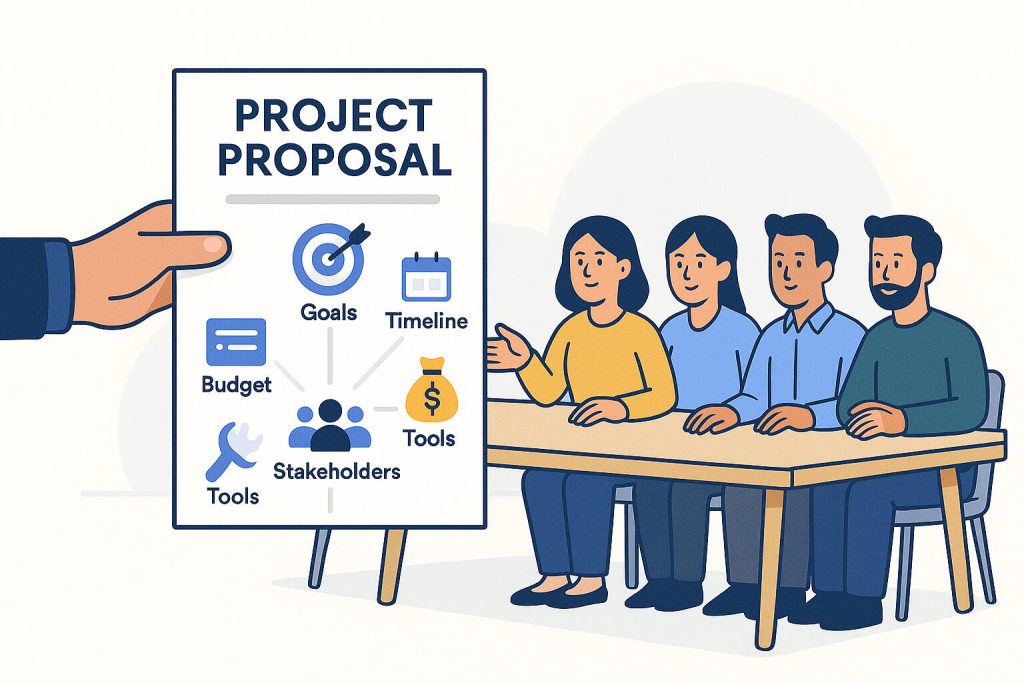
A project proposal is a formal document designed to present a project idea clearly, convincingly, and in a way that compels stakeholders to approve, support, or fund it. Whether you’re pitching a new initiative to internal leadership, proposing a solution to a client, or seeking external funding, a well‑crafted proposal helps decision‑makers understand what you plan to do, why it matters, and how you will achieve the desired outcomes. It serves as a roadmap for alignment, accountability, and expectations before any work begins. A strong proposal not only outlines the project plan but also communicates value, feasibility, and strategic impact.
A compelling project proposal balances persuasive storytelling with structured clarity, guiding readers through the problem, your proposed solution, resources required, potential risks, and the benefits they can expect. It’s both a communication tool and a decision‑making document — bridging the gap between concept and execution.
Components of a Project Proposal
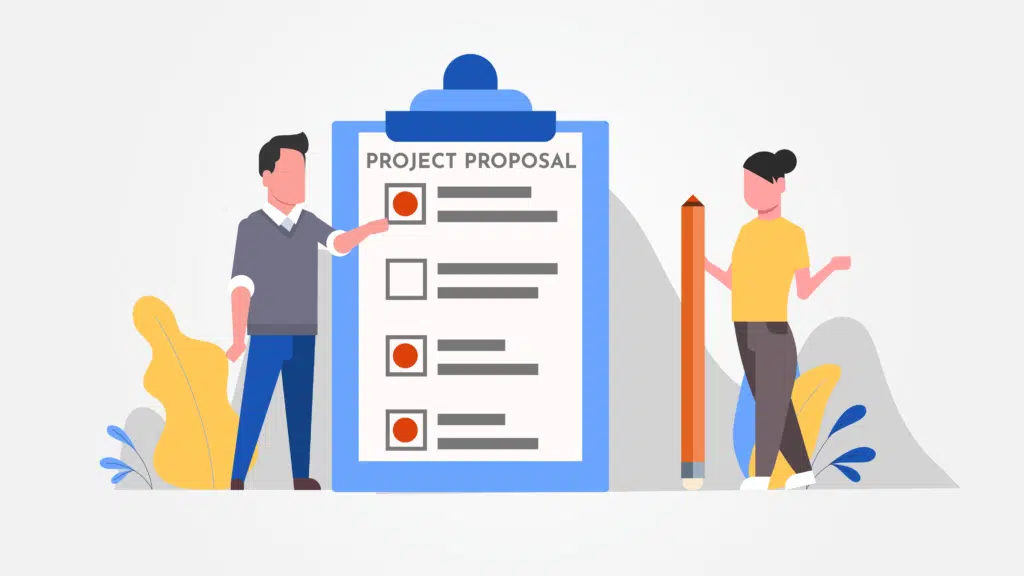
A comprehensive project proposal includes several key sections that collectively explain the rationale, plan, and impact of the proposed initiative. Below is a breakdown of each major component and what it should cover:
Executive Summary
This is the opening section of your proposal, offering a concise overview of your project’s essence, purpose, and expected outcomes. It should quickly capture a decision‑maker’s attention and provide a snapshot of:
- The problem or opportunity your project addresses
- Your proposed solution
- Core benefits and impact
- High‑level budget and timeline highlights
The executive summary is often read first (and sometimes only), so it needs to be succinct, compelling, and strategic.
Goals
Define what the project intends to achieve in clear, measurable terms. Goals provide direction and help stakeholders understand expected outcomes. Use frameworks like SMART (Specific, Measurable, Achievable, Relevant, Time‑bound) to structure goals that are both ambitious and realistic.
Problem Statement
This section outlines the core challenge or gap the project seeks to address. Use data, context, and specific examples to explain why the issue matters and who is affected. A well‑written problem statement builds urgency and aligns stakeholders on the need for action.
Value Statement
Here, articulate the value your project will deliver. Explain how solving the problem aligns with strategic goals, improves performance, drives revenue, reduces risk, or enhances efficiency. This section connects the project to broader organizational impact, making the case for investment.
Strategy
Detail how you plan to implement your solution. Outline your approach, methodology, and the key steps that will be taken to achieve the project goals. This section may include governance structure, management practices, and any frameworks that will guide execution.
Project Scope
The scope defines what is included and what is excluded from the project. It clarifies boundaries, assumptions, and constraints, helping stakeholders understand the extent of work and prevent scope creep. The scope should list major phases, deliverables, and any dependencies that influence planning.
Project Deliverables
List the tangible outputs or results that the project will produce. Each deliverable should be specific and measurable, such as a software module, report, event, or infrastructure component. Clear deliverables help stakeholders visualize what success looks like.
Resource Requirement
Identify the resources needed to complete the project, including personnel, equipment, technology, facilities, and other assets. Clarify who will be responsible for each area and what level of effort or commitment is required.
Measures of Success
This section defines how you will evaluate whether the project has achieved its objectives. Include key performance indicators (KPIs), success criteria, and metrics that can be tracked during and after implementation to demonstrate impact.
Project Timelines
Provide a realistic schedule for the project, including start and end dates, key milestones, phases, and checkpoints. A timeline helps stakeholders understand pacing and major deliverables over time. Visual tools like Gantt charts can make this section easier to interpret.
Potential Risks
Projects always carry uncertainty. List key risks that could impact success, along with mitigation strategies and contingency plans. This demonstrates preparedness and builds confidence in your planning.
Case Studies
This optional section provides examples of similar projects, outcomes, or evidence of past success that validate your approach. Include brief case summaries that reinforce feasibility and relevance.
Project Cost and Budget
Detail all costs associated with the project, including labor, materials, technology, and overhead. Present a clear budget breakdown and explain how funds will be allocated across major categories. Be transparent about assumptions and contingencies.
Project Summary
This section restates the key elements of your proposal in a concise summary — reinforcing purpose, deliverables, benefits, resources, and expected impact. It helps ensure the main points are fresh in the reader’s mind.
Next Steps
Conclude with a clear call to action. Specify what you want stakeholders to do next — approve, fund, schedule a meeting, or take the project to the next phase. Providing a timeline for decisions and expected responses can help keep momentum.
Types of Project Proposals
Project proposals can take several forms depending on the context, audience, and purpose. Understanding the different types helps ensure your proposal is tailored to the right stakeholders and maximizes your chances of approval.
Solicited Project Proposal
A solicited proposal is prepared in response to a specific request from a client, organization, or internal leadership. This type is usually guided by clear requirements, criteria, or a Request for Proposal (RFP). Because the expectations are predefined, the proposal must align closely with the requested format, deliverables, and evaluation metrics.
Key points:
- Directly addresses the client’s needs and requirements.
- Often includes a structured format as specified in the RFP.
- Highly competitive; clarity and compliance are critical.
Unsolicited Project Proposal
An unsolicited proposal is submitted proactively, without a formal request from the client or decision-makers. It’s often used to introduce innovative ideas, identify opportunities, or solve a problem that the audience may not have fully recognized. The proposal must persuade stakeholders of the project’s value and relevance.
Key points:
- Requires strong justification for why the project is needed.
- Focuses on demonstrating potential benefits and ROI.
- Often more persuasive and visionary in tone.
Informal Project Proposal
Informal proposals are less structured and are usually used internally or in smaller projects where a formal document is not required. These may take the form of emails, presentations, or brief documents that outline the idea, objectives, and resources needed.
Key points:
- Concise and easy to read.
- Suitable for small-scale initiatives or exploratory projects.
- Prioritizes clarity and persuasion over formal structure.
Renewal Project Proposal
A renewal proposal is submitted when a current or previous project is reaching its conclusion and requires extension, additional funding, or continuation of services. It highlights past achievements and justifies why additional resources or time are needed.
Key points:
- Emphasizes successes from the existing project.
- Clearly explains why continued support is necessary.
- Often includes updated scope, budget, and timelines.
Continuation Project Proposal
A continuation proposal is similar to a renewal but is specifically focused on multi-phase or ongoing projects where each phase needs formal approval before progressing. This type ensures transparency, accountability, and alignment with strategic goals for the next project phase.
Key points:
- Provides progress updates and phase outcomes.
- Outlines goals and activities for the next phase.
- Reinforces alignment with the overall project roadmap.
Supplemental Project Proposal
Supplemental proposals are submitted to request additional resources or make adjustments to an existing project. They often address scope changes, unforeseen challenges, or opportunities that were not part of the original plan.
Key points:
- Justifies the need for extra resources or modifications.
- Demonstrates impact on project outcomes if additional support is approved.
- Keeps the original project goals intact while accommodating new requirements.
Each type of proposal serves a unique purpose and requires a slightly different approach in structure, tone, and content. Choosing the right type ensures your proposal resonates with stakeholders and increases the likelihood of approval.
How to Write a Project Proposal in 8 Steps (Examples Included)
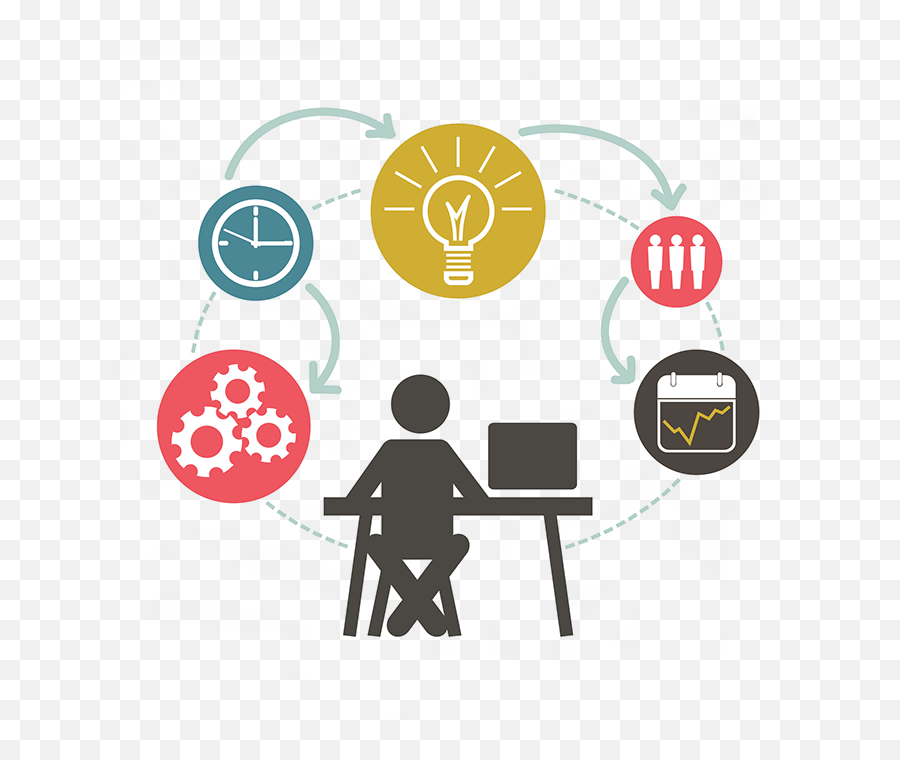
Writing a project proposal is both an art and a science. It requires clarity of thought, a deep understanding of your audience, and a structured presentation of your idea, its solution, and its value. A strong proposal doesn’t just outline a concept — it persuades decision‑makers that your project is feasible, worthwhile, and aligned with organizational or client goals. Below is a step‑by‑step guide to help you draft a compelling, professional project proposal — with examples and explanations to anchor each step.
Step 1: Start with Understanding the Audience and Objectives of the Proposal
Before you write a single word, it’s essential to define who will read your proposal and what they care about. Different stakeholders focus on different priorities — executives may emphasize strategic value and ROI, while operational managers may look at feasibility, schedules, and resource allocations.
Questions to Ask Early On:
- Who is the primary decision‑maker?
- What outcomes matter most to them (e.g., cost savings, performance gains, compliance, innovation)?
- Is this proposal responding to a specific request (like an RFP) or proactively submitted?
Understanding your audience ensures your proposal addresses their concerns, not just your own. Tailor the tone, level of detail, and emphasis points based on what drives approval for your stakeholders.
Example:
If you’re pitching a digital transformation project to a CFO, they will likely be most interested in cost savings, risk reduction, and measurable benefits — so highlight financial and risk mitigation metrics upfront.
Step 2: Write an Engaging Executive Summary
The executive summary is the first substantive section of your project proposal, but it’s often the only part executives read in depth. This makes it the most strategic piece of your document.
Purpose:
- Provide a concise overview of the project
- Highlight the problem, proposed solution, and expected impact
- Set the stage for the detailed sections that follow
What to Include:
- The problem or gap you intend to address
- The solution and how it resolves the problem
- High‑level benefits and impact of the project
- Key timeline and budget highlights
Effective Tip:
Keep the executive summary short — typically one to two paragraphs — and make it persuasive. Use clear, benefit‑oriented language that conveys confidence and alignment with organizational goals.
Example:
“This proposal outlines a transition to a cloud‑based workflow automation system that will reduce manual processing hours by 40%, cut operational costs by 25%, and improve project delivery predictability by the end of Q4 2026.”
Step 3: Set the Background for the Project
Once you’ve hooked your readers with a strong executive summary, take them into the context of your proposal. This background section explains why the project matters in the first place.
Core Elements to Include:
- A clear explanation of the problem or opportunity
- Relevant data or trends supporting the urgency
- How the problem affects operations, outcomes, or goals
- Any past attempts to address the issue and what was learned
Use data and context to build credibility. If you can show that the problem is real through quantitative figures or anecdotal evidence, your proposal becomes much more persuasive.
Example:
“Customer satisfaction scores have declined by 15% over the past year due to delayed service requests, with internal assessments indicating that manual ticket routing contributes to a two‑day average response lag.”
Step 4: Propose Your Solution
This is the core of your proposal — the section where you explain what you intend to do and how you intend to do it. It’s not enough to say that you have a solution; you must illustrate its feasibility and structure.
What to Address:
- A clear description of your project or solution
- Why this solution is appropriate, practical, and effective
- Key deliverables and work streams
- The methodology or approach you’ll use (e.g., phases, teams, tools)
Make sure your solution ties directly to the problem you’ve set up in the background. Decision‑makers should see the logic from problem → solution → impact.
Example:
“We propose implementing an integrated project management platform using agile principles, with phased rollouts over the next six months, cross‑functional team training, and automated workflow routing to streamline task assignment.”
Step 5: Highlight the Potential Benefits
Once you explain the solution, it’s time to show why it matters. Decision‑makers want to know: What’s in it for us? This section should clearly articulate the value your project will deliver.
Categories of Benefits to Consider:
- Financial (e.g., cost savings, revenue growth)
- Operational (e.g., efficiency, quality, speed)
- Strategic (e.g., market positioning, competitive advantage)
- Risk Reduction (e.g., compliance, security improvements)
Use measurable indicators wherever possible. If benefits can be tied to KPIs or quantifiable outcomes, they are much more compelling.
Example:
“By automating workflow approvals, we expect to reduce project turnaround time by 30%, improve cross‑team collaboration scores by 20%, and cut escalation costs by 15% annually.”
Step 6: Provide a High‑Level Schedule or Plan
Stakeholders need to understand not just what you plan to do, but when you plan to do it. This section outlines the project’s timeline, milestones, and sequencing of work.
Best Practices:
- Break the project down into clear phases or milestones
- Use visual tools such as Gantt charts, roadmap diagrams, or milestone tables
- Include specific dates or ranges for key deliverables
A timeline communicates feasibility and enhances confidence. It shows that you’ve thought through execution — not just the idea.
Example:
| Phase | Timeline | Key Deliverables |
|---|---|---|
| Planning & Setup | Weeks 1–2 | Kickoff, Requirements Deck |
| Development | Weeks 3–8 | System Configuration, Prototype |
| Testing & QA | Weeks 9–12 | User Testing, Refinements |
| Deployment | Weeks 13–14 | Full Launch |
Step 7: Assess Risks and Provide Mitigation Strategies
No project is risk‑free. Decision‑makers want assurance that you understand possible pitfalls and have realistic plans to handle them. This section identifies key risks and outlines mitigation strategies.
Typical Risks to Address:
- Technical challenges (e.g., integration complexity)
- Timeline delays
- Budget overruns
- Resource availability
- External dependencies (e.g., vendor delays)
For each risk, describe:
- The risk itself
- Likelihood
- Potential impact
- Mitigation or contingency plan
This shows proactive planning and increases confidence in your approach.
Example:
“Risk: Integration delays with legacy systems — Mitigation: Dedicated integration specialist and phased testing plan to identify issues early.”
Step 8: End Strong with a Call to Action
The conclusion of your proposal is not just a summary — it’s a call to action. This final section tells stakeholders exactly what you need from them and what comes next.
Elements of an Effective Call to Action:
- Restate the request for approval or funding
- Specify next steps (e.g., meeting, signature, allocation of resources)
- Provide a timeline for decision
- Include contact information for follow‑up
Make it easy for decision‑makers to say “yes.” Clear direction and urgency can significantly improve your chances of getting approval.
Example:
“We request executive approval of the proposed budget and timeline by May 15, 2026. Upon approval, we will schedule a kickoff meeting and begin Phase 1 planning immediately.”
A well‑written project proposal blends logical structure with persuasive communication. By understanding your audience, presenting a clear solution, and demonstrating measurable value, you increase the likelihood of approval and successful project initiation. Each of the eight steps above builds on the previous one — together creating a compelling narrative from problem to solution, and from vision to action.
Tips for Writing a Winning Project Proposal

Writing a winning project proposal is about more than just filling in the blanks of a template — it’s about strategic communication, strong research, audience alignment, and clear persuasion. Whether you’re seeking approval from internal stakeholders, pitching to a potential client, or requesting funding from investors, the quality of your proposal greatly influences the response you receive. Below is a comprehensive guide — with practical examples and up‑to‑date strategies — to help you craft a compelling project proposal that stands out and gets results.
1. Research Your Prospective Client’s Product and Industry
One of the most important steps before drafting your proposal is conducting thorough research into the prospective client, their industry, and the ecosystem in which they operate. Understanding your audience’s challenges, goals, and market context allows you to tailor your language and solutions in a way that resonates.
Why This Matters:
- It shows stakeholders that you truly understand their business, not just your own solution.
- It helps you frame your project as something that directly addresses their unique needs.
- You can anticipate expectations and tailor deliverables accordingly.
What to Research:
- The client’s past projects, current challenges, and strategic objectives.
- Industry trends that may influence priorities (e.g., technological shifts, market regulations, competitive landscape).
- Competitor projects that succeeded or failed — and why.
Example:
Example:
If you’re proposing a digital transformation initiative for a retail business, research recent trends in e-commerce growth, evolving customer expectations, and emerging technologies such as contactless payments or AI-driven personalization. Incorporating these insights into your proposal helps demonstrate industry awareness and shows how your solution can create measurable business value and competitive advantage.
Strong research and well-structured proposals also improve communication with stakeholders by making project goals, deliverables, and expected outcomes clearer from the beginning.
2. Brainstorm with Your Internal Team
Before you begin writing, assemble internal stakeholders — including project managers, subject matter experts, and anyone else who will play a role in execution — to brainstorm the proposal. This step ensures that your proposal reflects real insights and practical considerations rather than assumptions.
Benefits of Internal Brainstorming:
- Captures insights from different perspectives (technical, operational, strategic).
- Helps you identify potential bottlenecks and risks early.
- Generates ideas for creative solutions, measurable benefits, and impactful deliverables.
How to Run a Brainstorming Session:
- Start with a clear goal: What outcome should the proposal achieve?
- Use structured techniques like SWOT (Strengths, Weaknesses, Opportunities, Threats) to explore the proposal’s viability.
- Assign roles so individuals can contribute ideas on scope, schedule, risk, and success metrics.
Example:
If a team member raises a concern about resource availability, you can address this in the proposal with a mitigation plan or phased timeline, which strengthens credibility.
3. Use Project Management Tools
Project management software and tools are invaluable for organizing proposal content, collaborating with stakeholders, and tracking revisions. Using these tools early — even before the proposal is written — can help you structure your document more effectively and reduce errors.
How Tools Help:
- Templates: Tools often provide pre‑built templates that ensure you include all critical sections.
- Task organization: You can assign sections to team members and monitor progress.
- Timeline visualizations: Gantt charts, Kanban boards, and roadmaps make your timeline section more compelling.
- Real‑time collaboration: Multiple stakeholders can contribute to drafts simultaneously, reducing version control issues.
Example:
Using a Gantt chart in your timeline section not only helps you plan internally but also provides stakeholders with a visual representation of the project’s phases and milestones — something that builds confidence in your delivery capability.
4. Keep It Crisp, Concise, and Visual
A common mistake in project proposals is over‑explaining. While details are important, long paragraphs of text and technical jargon can overwhelm reviewers. A winning proposal is clear, concise, and visually engaging.
Tips for Clarity and Brevity:
- Use headings and bullet points to break up text and highlight key points.
- Keep sentences short and focused on outcomes rather than technical minutiae.
- Summarize each section in a sentence or two where possible.
Use Visuals to Enhance Understanding:
- Charts and graphs: Show timelines, resource allocation, ROI projections, and risk levels visually.
- Diagrams and flowcharts: For process maps or solution frameworks.
- Tables: To compare alternatives or outline phased deliverables.
Example:
Instead of a long paragraph describing the timeline, a timeline graphic or a simple table with phases and dates helps decision‑makers grasp the schedule at a glance.
5. Use Project Proposal Templates
Templates are powerful time‑savers that enforce consistency and professionalism. Starting from a template means you won’t forget key sections — and it helps stakeholders know exactly where to find the information they care about.
Advantages of Templates:
- Maintain a uniform structure across multiple proposals.
- Make it easier to reuse content (e.g., standard sections like problem statements or deliverables).
- Reduce formatting errors and improve readability.
Best Practices When Using Templates:
- Customize header and footer with your organization’s branding.
- Tailor each section to the specific project — avoid generic filler text.
- Use placeholders (like [CLIENT NAME] or [PROJECT DEADLINE]) to ensure key details are updated.
Example:
Including a pre‑formatted section for risk mitigation — with placeholders for likelihood and impact ratings — ensures you don’t overlook this vital part of the proposal.
6. Follow Up After Submission
Sending the proposal is not the final step — effective follow‑up can significantly increase your chances of approval. Many proposals stall simply because no one takes ownership of the next step after submission.
Effective Follow‑Up Strategies:
- Schedule a follow‑up meeting within a set timeframe (e.g., 3–5 business days).
- Prepare a summary deck or one‑pager to reinforce key points before the meeting.
- Ask open questions that invite feedback rather than just confirmation (e.g., “What concerns do you have about the timeline?”).
- Be responsive — reply promptly to any questions or clarifications requested by stakeholders.
Why Follow‑Up Matters:
- It demonstrates your commitment and professionalism.
- It provides an opportunity to address concerns before final decisions are made.
- It keeps the conversation moving forward.
Example:
After submitting a proposal, send an email like:
“Thank you for reviewing our proposal. Could we set up a brief call this week to discuss any feedback or questions you may have?”
This positions you as proactive and engaged, not just informative.
Additional Best Practices
In addition to the specific tips above, there are several overarching principles that successful proposals follow:
Be Persuasive — Not Just Informative
Your proposal should make a case — not just present facts. Decision‑makers respond to proposals that connect the project to strategic value, measurable benefit, and stakeholder goals. Supporting data (like market research, performance metrics, or case studies) enhances credibility and persuasiveness.
Proofread and Edit Carefully
Errors in grammar, formatting, or logic can weaken your proposal’s credibility. Always proofread and consider having a fresh pair of eyes — either a colleague or a professional editor — review the document before submission.
Tailor Language and Tone
Write in the language that your stakeholders prefer — whether formal business language, technical precision for expert audiences, or clear, simple text for cross‑functional stakeholders. Adapt tone and terminology based on the audience you identified at the beginning.
A winning project proposal combines deep insight, strategic alignment, and clear communication. By researching your audience, collaborating internally, using the right tools and templates, keeping content concise and visual, and following up strategically, you set your proposal up for success. Good proposals are not just documents — they are persuasive narratives that lead stakeholders toward a confident “Yes.”
Use Corexta for Your Next Project Proposal
When preparing your next project proposal, choosing the right tools can make all the difference between a document that gets buried and one that wins approval. Corexta is a modern all‑in‑one business management platform designed to support every stage of project planning, execution, and delivery — making it an excellent choice for building and managing compelling project proposals.
Centralize Proposal Workflow in One Place
Corexta brings all of your essential business functions — from project planning and client management to finance and HR — into a single, unified platform. Rather than relying on scattered tools or spreadsheets, you can draft, refine, and share your proposal components directly within the system. This centralized approach ensures that all relevant data — whether it’s client information, budget figures, or project timelines — is accurate, accessible, and aligned.
How this helps your proposal:
- Keep your project documentation organized in one dashboard.
- Link your proposal directly to related projects, clients, and contracts.
- Reduce errors caused by outdated or disconnected data.
Build Proposals With Accurate Financials and Estimates
A strong project proposal always includes clear cost estimates and budget plans. With Corexta’s finance management features, you can create detailed estimates and link them to your proposal structure. The platform supports:
- Automated proposal creation with cost breakdowns.
- Line‑item expense estimation.
- Budget tracking and updates as your plan evolves.
- Conversion of proposals to estimates, invoices, and payment schedules.
This level of integration ensures that your cost analysis is not just persuasive — it’s realistic and actionable.
Connect Projects to Clients and Contracts Seamlessly
Once your proposal is ready, Corexta streamlines the approval and implementation process by linking it directly to clients and contracts. The platform’s CRM and contract management tools let you:
- Store client details, engagement history, and communications.
- Draft contracts based on approved proposals.
- Use e‑signature capabilities for faster agreement execution.
- Track contract status and deadlines.
This means that when your proposal is accepted, you can transition immediately into project setup without duplicating work — saving time and reducing administrative burden.
Create Clear Project Plans and Timelines
Corexta’s project management suite helps you build the execution plan that often accompanies your proposal. Once your idea is approved, you can:
- Map out project tasks and milestones.
- Visualize schedules using Gantt charts and roadmaps.
- Assign team members and track responsibilities.
- Monitor progress, expenses, and outcomes in real time.
Having these planning tools built into the same platform means your proposal’s timeline isn’t just a static section — it becomes a live, actionable plan integrated with how your team will work.
Enhance Collaboration and Communication
A persuasive project proposal often requires input from multiple stakeholders — from subject matter experts to finance and delivery teams. Corexta supports seamless collaboration through:
- Real‑time communication and team workflows.
- Shared dashboards so contributors can view and comment on key sections.
- Centralized updates that ensure revisions are always current.
This collaborative environment reduces back‑and‑forth emails and speeds up internal review cycles, allowing you to deliver a polished proposal more quickly.
Track Time and Resources to Support Decision‑Making
Corexta includes tools like timesheets and time tracking that help you accurately estimate the effort required for projects — a critical component of a credible proposal. By analyzing real work data, you can build proposals backed by historical insights, making your timelines and resource plans more reliable.
This not only improves the quality of your proposals but also builds trust with stakeholders as they see estimates grounded in actual team performance.
Scale Proposal Development as Your Business Grows
Whether you’re a small agency or a growing enterprise, Corexta’s modular platform scales with your needs. Its flexible features support everything from initial project scoping to long‑term delivery and performance tracking, making it suitable for multiple proposal types — from new projects and renewals to supplemental enhancements.
Get Started with Corexta Today
Setting up your next project proposal in Corexta is straightforward. With a free trial available, you can begin by:
- Creating your workspace and inviting team members.
- Adding client profiles and relevant contact information.
- Drafting your proposal within the finance or project modules.
- Linking estimates, timelines, and deliverables for a complete package.
- Sharing and collaborating with stakeholders directly through the platform.
By consolidating proposal creation, project planning, and execution tools in one place, Corexta helps you write proposals that are clear, compelling, and ready for action — all while saving time and reducing administrative complexity. Start using Corexta today!
Read More: How to Build AI Agents for Marketing Teams