As businesses grow, managing operations becomes more complex. Teams often struggle with disconnected software, outdated spreadsheets, manual processes, and limited visibility across departments. These challenges can slow down productivity, increase operational costs, and make it difficult to scale efficiently.
This is where cloud ERP systems have become a major advantage for modern businesses.
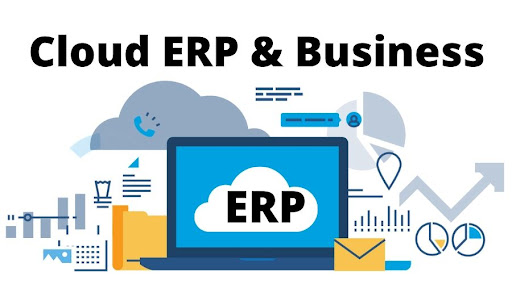
A cloud Enterprise Resource Planning (ERP) system helps organizations manage core business processes — including finance, inventory, procurement, sales, human resources, customer data, and supply chain operations — through a centralized cloud-based platform. Unlike traditional on-premise ERP software, cloud ERP solutions are hosted online, allowing businesses to access their systems from anywhere with an internet connection.
In 2026, cloud ERP adoption continues to accelerate as companies prioritize agility, automation, AI-powered analytics, and remote accessibility. Industry reports show that cloud-based ERP platforms are becoming the standard choice for growing businesses because they reduce infrastructure complexity while improving scalability and real-time decision-making.
Modern cloud ERP platforms now go far beyond basic accounting and resource planning. They integrate intelligent technologies such as machine learning, predictive analytics, workflow automation, mobile accessibility, and real-time reporting. These capabilities help businesses respond faster to market changes, improve operational efficiency, and support long-term growth.
Another reason cloud ERP is gaining momentum is flexibility. Growing businesses no longer want massive upfront hardware investments or lengthy software deployments. Cloud ERP offers subscription-based pricing, faster implementation, automatic updates, and the ability to scale features as business needs evolve.
Whether a company operates in manufacturing, retail, eCommerce, healthcare, logistics, or professional services, cloud ERP systems help unify operations and create a more connected organization. Instead of relying on separate tools and fragmented data, teams can collaborate through a single source of truth that improves accuracy, transparency, and productivity.
As competition increases and digital transformation becomes essential, cloud ERP is no longer viewed as a luxury technology investment. For many growing businesses, it has become a critical foundation for efficiency, innovation, and sustainable expansion.
What is Cloud ERP System?
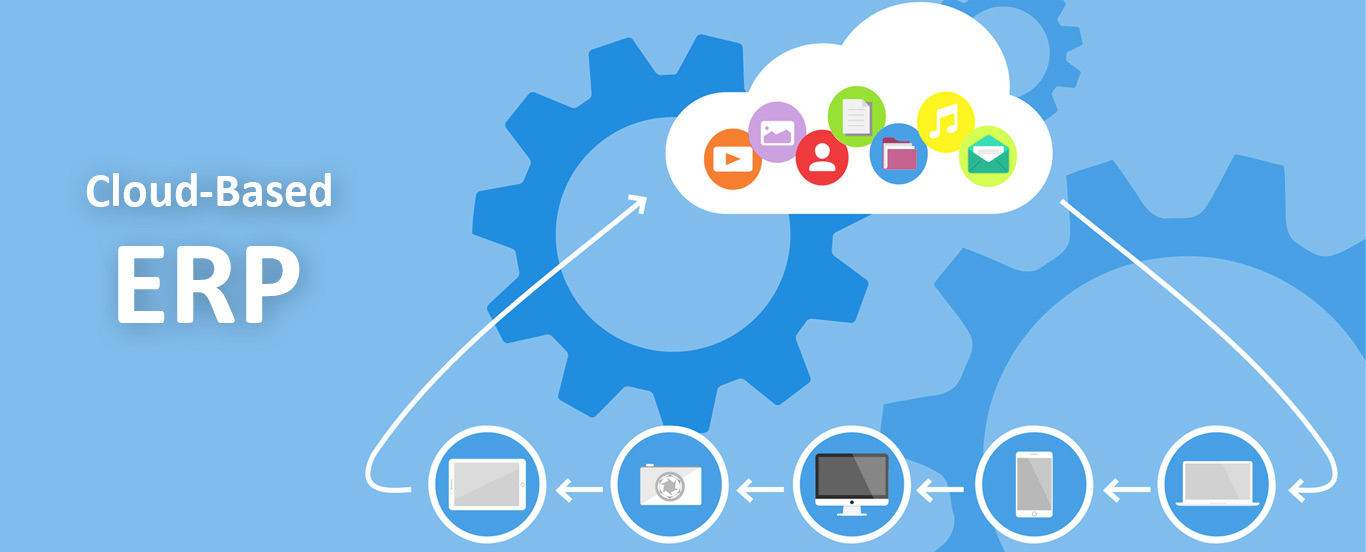
A cloud ERP system is a type of Enterprise Resource Planning software hosted on cloud infrastructure rather than on local company servers. It allows businesses to manage and automate essential operations through internet-based software that can be accessed securely from virtually anywhere.
Traditional ERP systems typically require businesses to purchase physical servers, maintain data centers, handle manual software upgrades, and manage ongoing IT infrastructure internally. In contrast, cloud ERP providers host the software and infrastructure remotely, handling maintenance, security updates, backups, and system availability on behalf of the customer.
Cloud ERP systems bring multiple business functions together into one integrated platform. Common modules often include:
- Financial management
- Accounting
- Inventory and warehouse management
- Procurement
- Supply chain management
- Manufacturing operations
- Customer relationship management (CRM)
- Human resources and payroll
- Reporting and analytics
Because all departments work within the same system, businesses gain real-time visibility into operations and reduce data silos. Information entered in one department automatically updates across the platform, improving collaboration and reducing manual errors.
For example, when a sales order is created, inventory levels can update automatically, finance teams can generate invoices instantly, and management can monitor performance through real-time dashboards. This level of integration helps businesses operate more efficiently and make faster decisions.
One of the biggest differences between cloud ERP and legacy ERP systems is accessibility. Employees can securely access cloud ERP platforms from desktops, laptops, tablets, or mobile devices, making remote work and multi-location operations much easier.
Modern cloud ERP platforms are also evolving rapidly with AI-driven automation, predictive analytics, low-code customization, and industry-specific capabilities. Businesses can automate repetitive tasks, forecast demand more accurately, monitor supply chains in real time, and gain deeper operational insights using intelligent tools embedded within the ERP environment.
Security has also become a major strength of cloud ERP solutions. Leading providers invest heavily in encryption, threat monitoring, compliance standards, disaster recovery, and automated backups to protect sensitive business data. In many cases, cloud security capabilities exceed what smaller businesses can maintain internally with on-premise infrastructure.
Today, cloud ERP systems are widely used by startups, mid-sized businesses, and large enterprises because they provide the flexibility, scalability, and intelligence needed to support modern business growth.
Top 10 Benefits of Cloud ERP System
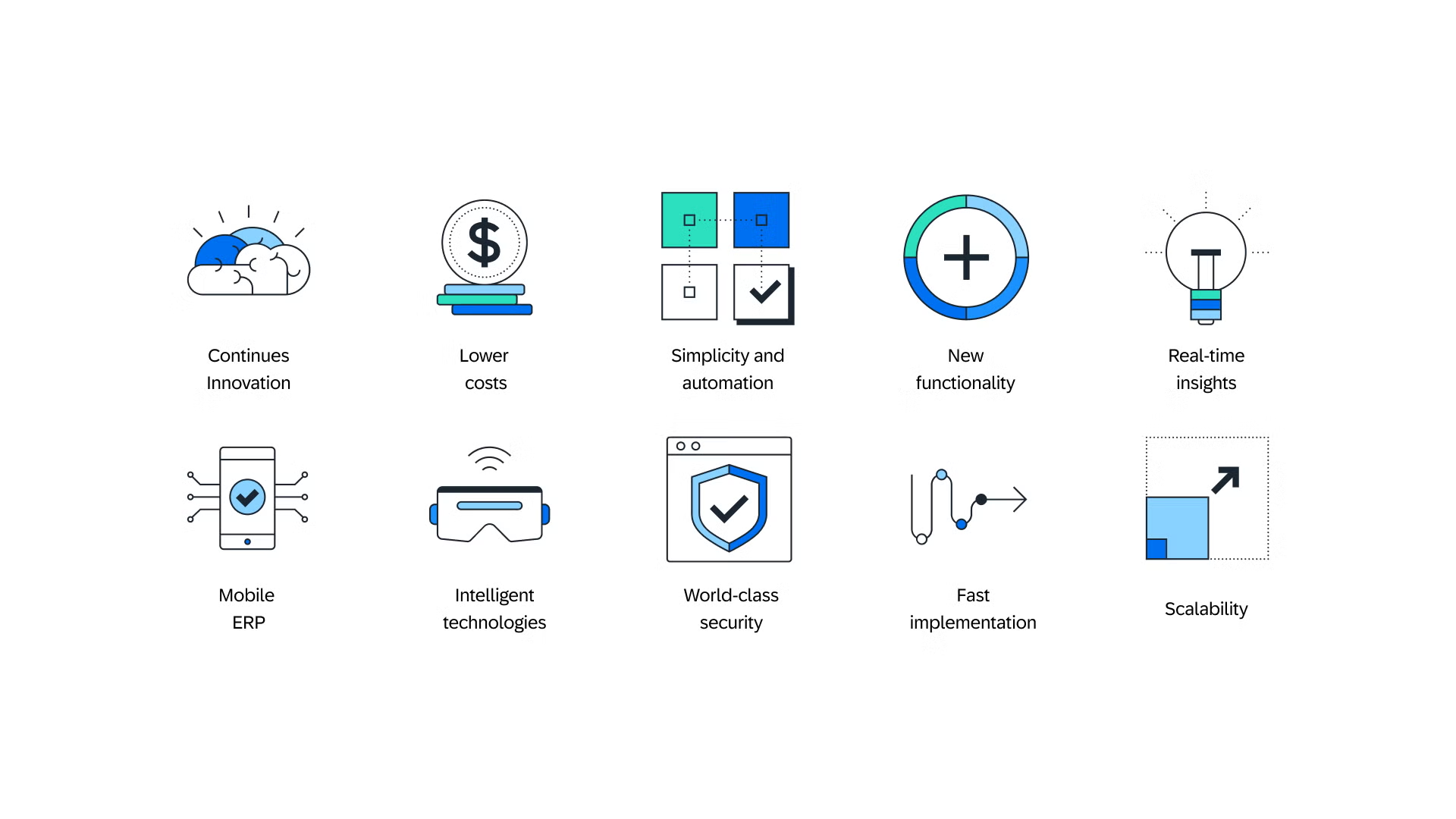
Cloud ERP systems have become a strategic technology investment for businesses that want to improve efficiency, reduce operational complexity, and scale faster in competitive markets. Unlike traditional ERP platforms that often require expensive infrastructure and heavy IT management, cloud ERP offers flexible, intelligent, and continuously evolving solutions designed for modern business needs.
Below are some of the biggest benefits organizations gain from adopting a cloud ERP system.
1. Continuous Innovation
One of the most valuable advantages of cloud ERP is continuous innovation. Traditional on-premise ERP systems often require businesses to wait years for major upgrades because updates can be expensive, disruptive, and technically complex. Cloud ERP platforms eliminate much of this challenge by delivering ongoing improvements automatically through the cloud.
Modern cloud ERP providers regularly release updates that include:
- Enhanced security protections
- Improved user experiences
- AI-powered features
- Advanced analytics tools
- Workflow automation improvements
- Industry-specific capabilities
- Regulatory and compliance updates
Because updates are managed centrally by the provider, businesses gain access to the latest technology without needing large internal IT projects or system overhauls. This helps organizations stay competitive in rapidly changing industries.
In 2026, cloud ERP innovation is increasingly focused on artificial intelligence and predictive technologies. Many platforms now offer AI-driven forecasting, automated reporting, intelligent inventory management, anomaly detection, and smart recommendations that help businesses make faster and more accurate decisions.
Continuous innovation also improves long-term scalability. As business requirements evolve, companies can adopt new ERP modules, integrations, and digital capabilities without replacing their entire system. This future-ready approach helps organizations remain agile while adapting to market demands, customer expectations, and operational growth.
For growing businesses, this means technology can evolve alongside the company instead of becoming outdated after only a few years.
2. Lower Costs
Lower operational and infrastructure costs are another major reason businesses move to cloud ERP systems.
Traditional ERP implementations typically require significant upfront investments in:
- Physical servers
- Data centers
- Hardware maintenance
- Software licenses
- Dedicated IT staff
- Security infrastructure
- Backup and disaster recovery systems
Cloud ERP reduces many of these expenses because the software is hosted and maintained by the service provider. Businesses usually pay through subscription-based pricing models, allowing them to spread costs over time instead of making large capital investments upfront.
This model creates several financial advantages:
Reduced IT Infrastructure Expenses
Companies no longer need to purchase and maintain expensive on-site hardware. The cloud provider handles server infrastructure, system uptime, maintenance, and performance optimization.
Lower Maintenance Costs
Software updates, security patches, backups, and technical maintenance are managed automatically by the provider, reducing internal IT workloads and support costs.
Predictable Pricing
Subscription-based cloud ERP pricing helps businesses manage budgets more effectively with predictable monthly or annual expenses.
Faster Return on Investment
Cloud ERP systems often deploy faster than traditional ERP solutions, allowing businesses to start improving workflows and operational efficiency sooner.
Reduced Downtime Risks
Modern cloud providers invest heavily in redundancy, disaster recovery, and uptime reliability, helping organizations minimize costly business interruptions.
In addition to direct savings, cloud ERP can also reduce hidden operational costs caused by inefficient workflows, duplicate data entry, manual reporting, and disconnected systems. By centralizing business operations and automating processes, organizations often improve productivity while lowering administrative overhead.
For small and mid-sized businesses especially, cloud ERP makes enterprise-grade technology more accessible without requiring enterprise-level infrastructure budgets.
3. Simplicity and Automation
As businesses grow, operations become increasingly difficult to manage manually. Multiple software tools, spreadsheets, disconnected departments, and repetitive administrative tasks can create inefficiencies that slow down productivity and increase the risk of human error.
Cloud ERP systems simplify business management by bringing core operations into a single integrated platform. Instead of switching between separate systems for accounting, inventory, procurement, sales, payroll, and reporting, teams can manage everything through one centralized environment.
This unified approach improves operational simplicity in several ways:
Centralized Data Management
All departments work from the same real-time data source, reducing duplication, inconsistencies, and communication gaps between teams.
Streamlined Workflows
Cloud ERP platforms standardize business processes, making workflows more organized and easier to manage across departments and locations.
Improved User Experience
Modern cloud ERP systems are designed with more intuitive interfaces, customizable dashboards, and role-based access, making them easier for employees to learn and use.
Easier Collaboration
Teams can share information instantly across departments, improving coordination between finance, operations, sales, procurement, customer service, and leadership.
Beyond simplification, automation has become one of the most transformative benefits of modern cloud ERP systems.
Today’s ERP platforms can automate many repetitive and time-consuming tasks, including:
- Invoice generation
- Expense approvals
- Inventory tracking
- Purchase order processing
- Payroll calculations
- Financial reporting
- Demand forecasting
- Customer notifications
- Compliance documentation
- Workflow approvals
Automation reduces manual workloads, minimizes errors, and allows employees to focus on higher-value tasks that require strategic thinking and customer engagement.
In 2026, automation capabilities are becoming even more advanced with AI-powered ERP tools. Intelligent automation can now identify process bottlenecks, recommend operational improvements, flag unusual transactions, and generate predictive insights automatically.
For growing businesses, this combination of simplicity and automation creates faster operations, stronger accuracy, improved productivity, and better scalability without dramatically increasing administrative complexity.
4. New Functionality
One of the strongest advantages of cloud ERP systems is the ability to access new functionality quickly and continuously. Traditional ERP software often limits businesses because adding new features can require expensive upgrades, custom development, or even complete system replacements. Cloud ERP platforms are designed to evolve much more efficiently.
Modern cloud ERP providers regularly introduce new capabilities that help businesses adapt to changing operational needs, customer expectations, and market trends. Instead of waiting years for major upgrades, organizations can benefit from ongoing feature releases delivered automatically through the cloud.
Today’s cloud ERP systems commonly include advanced functionality such as:
- AI-powered forecasting
- Real-time analytics dashboards
- Automated workflow management
- Customer experience tools
- Supply chain visibility
- Integrated eCommerce capabilities
- Multi-location management
- ESG and sustainability reporting
- Industry-specific modules
- Low-code customization tools
This constant expansion of functionality helps businesses stay competitive without investing heavily in separate software systems.
Another major benefit is integration flexibility. Modern cloud ERP platforms can connect with a wide range of third-party applications including CRM systems, payment gateways, HR software, marketing platforms, business intelligence tools, and eCommerce solutions. These integrations create a more connected digital ecosystem that improves operational efficiency across departments.
Businesses also gain access to specialized features tailored to their industries. For example:
- Manufacturers can use production planning and predictive maintenance tools
- Retailers can manage omnichannel inventory and customer data
- Healthcare organizations can support compliance and patient management
- Logistics companies can improve shipment tracking and warehouse operations
Because cloud ERP systems evolve continuously, businesses can adopt new functionality gradually as they grow rather than overhauling their entire technology infrastructure.
In 2026, many ERP vendors are also focusing on composable ERP architecture, allowing businesses to add modular capabilities more easily. This gives organizations greater flexibility to customize their ERP environment based on operational priorities while avoiding unnecessary complexity.
Ultimately, cloud ERP provides businesses with future-ready functionality that supports innovation, agility, and long-term digital transformation.
5. Real-Time Insights
Modern businesses generate enormous amounts of operational data every day. Without accurate visibility into this information, decision-making becomes slower, less reliable, and more reactive. Cloud ERP systems solve this challenge by providing real-time insights across the entire organization.
Because all business operations are connected through a centralized cloud platform, data updates instantly as transactions occur. Finance teams, operations managers, executives, and department leaders can access accurate information without waiting for manual reports or spreadsheet updates.
Real-time visibility allows businesses to monitor:
- Sales performance
- Inventory levels
- Cash flow
- Supply chain activity
- Customer behavior
- Employee productivity
- Procurement operations
- Production performance
- Financial health
- Operational KPIs
This immediate access to data improves both day-to-day operations and long-term strategic planning.
For example, if inventory levels begin running low, the ERP system can alert managers instantly and trigger automated replenishment workflows. Finance teams can monitor cash flow in real time, while executives can track profitability across departments, products, or locations through live dashboards.
Real-time insights are especially valuable in fast-moving industries where delays in information can create operational risks or missed opportunities.
Modern cloud ERP systems also support advanced analytics and predictive reporting. Many platforms now use AI and machine learning to:
- Forecast demand patterns
- Identify financial risks
- Detect unusual transactions
- Predict inventory shortages
- Analyze customer trends
- Optimize resource allocation
These intelligent insights help businesses move from reactive decision-making to proactive strategy development.
Another important advantage is accessibility. Real-time dashboards and reports can often be accessed from any device, enabling leadership teams to monitor business performance remotely and make faster decisions from virtually anywhere.
In 2026, data-driven decision-making is becoming a critical competitive advantage. Businesses that can analyze operations in real time are better positioned to respond to market changes, customer expectations, supply chain disruptions, and growth opportunities.
Cloud ERP systems help organizations turn operational data into actionable intelligence that improves efficiency, accuracy, and business agility.
6. Mobile ERP
The modern workforce is no longer limited to a single office location. Employees, managers, sales teams, warehouse staff, and executives increasingly need access to business systems while working remotely, traveling, or operating across multiple locations. Cloud ERP systems support this shift through powerful mobile ERP capabilities.
Mobile ERP allows authorized users to securely access ERP data and workflows through smartphones and tablets. This flexibility improves responsiveness, collaboration, and operational continuity across the organization.
With mobile ERP access, employees can often:
- Approve purchase requests
- Review financial reports
- Monitor inventory
- Access customer information
- Track shipments
- Manage schedules
- View dashboards
- Process sales orders
- Respond to workflow notifications
- Communicate across teams
This accessibility allows businesses to maintain productivity even when employees are away from their desks.
For sales teams, mobile ERP improves customer interactions by providing real-time access to pricing, inventory availability, order history, and account information during client meetings. Warehouse and logistics teams can update inventory or shipment data directly from operational sites, reducing delays and manual paperwork.
Executives and managers also benefit from mobile visibility into key business metrics. Instead of waiting for end-of-day reports, leadership teams can monitor operations and make decisions instantly from virtually anywhere.
Modern cloud ERP platforms are increasingly optimized for mobile-first experiences, offering:
- Responsive dashboards
- Mobile workflow approvals
- Push notifications
- Voice-enabled functionality
- Secure biometric authentication
- Offline access for selected functions
In 2026, hybrid work environments continue to influence ERP development. Businesses now prioritize systems that support distributed teams, remote collaboration, and real-time connectivity across devices.
Mobile ERP also improves business continuity during unexpected disruptions. Whether employees are traveling, working remotely, or managing operations across regions, cloud-based mobile access helps organizations remain operational and responsive.
For growing businesses with expanding teams and multi-location operations, mobile ERP provides the flexibility needed to support modern work environments without sacrificing visibility or control.
7. Intelligent Technologies
Cloud ERP systems are becoming significantly more advanced through the integration of intelligent technologies such as artificial intelligence (AI), machine learning (ML), robotic process automation (RPA), predictive analytics, and Internet of Things (IoT) connectivity.
These technologies are transforming ERP platforms from basic operational systems into intelligent business management solutions.
AI-powered ERP systems can analyze large amounts of operational data and identify patterns that would be difficult to detect manually. This helps businesses improve forecasting, automate decisions, reduce inefficiencies, and uncover growth opportunities.
Modern intelligent ERP capabilities often include:
- Predictive demand forecasting
- Automated financial reconciliation
- Smart inventory optimization
- AI-generated business insights
- Intelligent procurement recommendations
- Fraud and anomaly detection
- Predictive maintenance alerts
- Automated customer service workflows
- Intelligent document processing
- Natural language reporting
Machine learning algorithms continuously improve over time by analyzing historical business data and operational trends. This allows ERP systems to deliver more accurate recommendations and forecasts as they process additional information.
For example, an intelligent ERP platform may predict future inventory shortages based on seasonal demand patterns, supplier delays, and purchasing behavior. The system can then recommend replenishment actions automatically before disruptions occur.
Automation technologies are also reducing manual workloads significantly. Robotic process automation can handle repetitive tasks such as invoice matching, payroll processing, data entry, and compliance documentation with greater speed and accuracy.
Cloud ERP systems are increasingly integrating IoT capabilities as well. Connected devices, sensors, and equipment can send real-time operational data directly into the ERP system, helping businesses monitor manufacturing equipment, track assets, optimize logistics, and improve maintenance planning.
Another growing trend in 2026 is generative AI integration within ERP platforms. Some systems now provide conversational assistants that help employees generate reports, summarize operational data, answer business questions, and automate workflows using natural language commands.
These intelligent technologies improve efficiency while enabling faster and more strategic decision-making across the organization.
For growing businesses, intelligent ERP capabilities create opportunities to scale operations more effectively, improve customer experiences, reduce operational risks, and gain a stronger competitive advantage in increasingly data-driven markets.
8. World-Class Security
Security has become one of the most important priorities for businesses operating in increasingly digital and data-driven environments. Cloud ERP providers invest heavily in advanced cybersecurity infrastructure to protect sensitive business information, financial records, customer data, and operational systems.
Many modern cloud ERP platforms offer enterprise-grade security features that smaller and mid-sized businesses may struggle to maintain internally with traditional on-premise systems.
Common cloud ERP security capabilities include:
- End-to-end data encryption
- Multi-factor authentication (MFA)
- Role-based access controls
- Continuous threat monitoring
- Automated backups
- Disaster recovery systems
- Security patch management
- Compliance certifications
- Network intrusion detection
- AI-driven threat analysis
Leading cloud ERP vendors also maintain dedicated cybersecurity teams that monitor systems 24/7 to identify and respond to emerging threats quickly.
In 2026, cyberattacks targeting businesses continue to increase in sophistication. As a result, ERP providers are incorporating more advanced security technologies such as behavioral analytics, zero-trust security frameworks, and AI-powered anomaly detection to reduce risks proactively.
Cloud ERP systems also help businesses improve regulatory compliance. Many platforms support standards and regulations related to financial reporting, privacy protection, and industry-specific compliance requirements. This is especially important for organizations operating in healthcare, finance, manufacturing, retail, and global supply chains.
Another major advantage is business continuity. Cloud ERP providers typically use geographically distributed data centers and automated backup systems to minimize downtime during outages, cyber incidents, or natural disasters. This helps businesses recover faster and maintain operational stability.
For growing businesses, world-class cloud security provides greater confidence, stronger resilience, and improved protection against evolving cyber threats without requiring massive internal IT investments.
9. Rapid Implementation
Traditional ERP implementations have historically been known for being expensive, time-consuming, and highly disruptive. In some cases, on-premise ERP deployments could take years to complete due to hardware setup, software customization, infrastructure configuration, and extensive maintenance requirements.
Cloud ERP systems significantly simplify and accelerate this process.
Because the software is hosted online, businesses do not need to build and manage large internal server environments before deployment. Providers handle much of the infrastructure setup, allowing organizations to focus more on configuration, training, and process optimization.
Modern cloud ERP implementations are often faster because they include:
- Pre-configured industry templates
- Standardized workflows
- Cloud-based deployment models
- Built-in integrations
- Automated updates
- Simplified scalability
- Remote onboarding capabilities
This faster deployment timeline allows businesses to begin improving operations and generating value sooner.
Rapid implementation is especially important for growing businesses that need to adapt quickly to market changes, operational expansion, or digital transformation initiatives. Instead of waiting months or years for full deployment, organizations can often roll out cloud ERP modules in phases based on business priorities.
Another major benefit is reduced operational disruption. Cloud ERP implementations can often be managed more flexibly with lower downtime compared to traditional ERP migrations.
In 2026, many cloud ERP providers also offer low-code and no-code configuration tools that simplify customization and workflow setup. Businesses can adapt the platform to their operational needs more efficiently without relying heavily on specialized development teams.
Faster implementation also improves employee adoption. Modern cloud ERP systems generally feature more user-friendly interfaces, guided onboarding, and integrated training resources that help teams transition more smoothly.
For organizations aiming to modernize operations quickly, cloud ERP offers a faster path to digital transformation while reducing many of the risks associated with traditional ERP projects.
10. Scalability
Scalability is one of the most critical benefits of cloud ERP for growing businesses. As organizations expand, operational complexity increases across departments, users, transactions, products, locations, and customer interactions. Cloud ERP systems are designed to support this growth without requiring businesses to rebuild their entire technology infrastructure.
Traditional on-premise ERP systems can become difficult and expensive to scale because expanding capacity often requires additional servers, hardware upgrades, software licenses, and IT resources. Cloud ERP platforms offer a much more flexible approach.
Businesses can scale cloud ERP systems more efficiently by:
- Adding new users
- Expanding storage capacity
- Activating additional modules
- Supporting multiple business locations
- Managing global operations
- Integrating new applications
- Handling increased transaction volumes
This flexibility allows organizations to adapt their ERP environment as operational needs evolve.
Scalability is especially valuable for businesses experiencing rapid growth, seasonal demand fluctuations, mergers, acquisitions, or international expansion. Cloud ERP systems can accommodate changing business requirements without causing major infrastructure disruptions.
Modern cloud ERP platforms also support multi-entity and multi-currency operations, making them ideal for companies expanding into new markets or regions.
Another advantage is performance scalability. Leading cloud providers use advanced cloud infrastructure capable of handling large amounts of data and user activity while maintaining system reliability and responsiveness.
In 2026, scalable ERP environments are becoming increasingly important as businesses adopt AI tools, connected devices, advanced analytics, and automation technologies that require greater computing flexibility.
Cloud ERP gives businesses the ability to grow confidently while maintaining operational efficiency, visibility, and system performance. Instead of outgrowing their software, organizations can continuously expand and adapt their ERP capabilities alongside business growth.
The Advantages of ERP Run Deep
Cloud ERP systems have evolved far beyond basic business management software. Today, they serve as the digital foundation that helps organizations streamline operations, improve collaboration, strengthen decision-making, and support long-term growth in increasingly competitive markets.
From automation and real-time insights to intelligent technologies and mobile accessibility, cloud ERP offers businesses the flexibility needed to operate more efficiently in modern work environments. Organizations can reduce operational complexity, improve visibility across departments, and respond faster to changing customer expectations and market conditions.
Another major advantage is adaptability. As businesses grow, cloud ERP systems can scale alongside them without requiring costly infrastructure replacements or disruptive upgrades. Continuous innovation also ensures companies stay current with emerging technologies such as artificial intelligence, predictive analytics, and advanced automation.
Security, cost efficiency, and faster implementation further make cloud ERP an attractive solution for businesses of all sizes. Instead of managing disconnected systems and manual workflows, organizations can centralize operations within a single integrated platform that improves productivity and operational control.
As digital transformation continues to reshape industries in 2026 and beyond, cloud ERP is becoming an essential investment for businesses seeking agility, resilience, and sustainable growth. Companies that embrace cloud ERP today are better positioned to innovate, scale, and compete successfully in the future.
Read More: Custom ERP vs Off-the-Shelf ERP Guide — Which Is Right for Your Business?