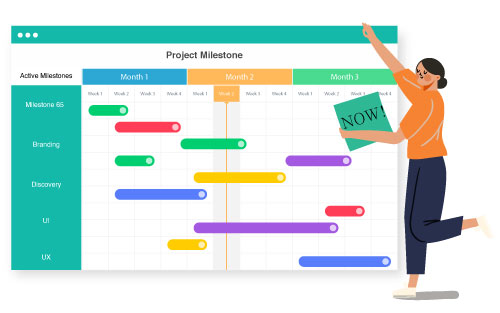
In today’s fast-paced and results-driven environment, managing projects effectively requires more than just assigning tasks and deadlines. Teams need clear markers that indicate progress, signal important achievements, and keep everyone aligned toward the final goal. This is where project milestones play a crucial role.
Project milestones act as strategic checkpoints throughout a project’s lifecycle. Instead of focusing on day-to-day activities, they highlight significant moments—such as the completion of a phase, approval of a deliverable, or readiness to move forward. These checkpoints help teams stay organized, maintain momentum, and ensure that the project is progressing as planned.
Whether you’re managing a marketing campaign, developing software, or handling a large-scale business initiative, milestones provide structure and clarity. They make it easier to track progress, communicate with stakeholders, and identify potential delays before they become major issues. By breaking a project into meaningful stages, milestones transform complex workflows into manageable and measurable progress points.
What is a Project Milestone?
A project milestone is a significant point or event within a project timeline that marks progress or the completion of a key phase or objective. Unlike regular tasks, milestones do not represent ongoing work—they represent important achievements or checkpoints.
These milestones are typically used to:
- Indicate the start or completion of a project phase
- Mark the delivery or approval of critical outputs
- Highlight decision points or transitions in the project
- Track overall progress against the project plan
In simple terms, a milestone answers the question:
“What major achievement have we reached in the project?”
For example, in a software development project, milestones might include completing the design phase, releasing a beta version, or finishing user testing. Each of these represents a meaningful step forward rather than a task itself.
One key characteristic of a project milestone is that it is usually time-bound but has no duration—it exists as a single point in time when something important is achieved.
Overall, project milestones serve as reference points that help teams measure progress, stay aligned with goals, and ensure that every stage of the project moves forward with clarity and purpose.
Why are Project Milestones Important?

Project milestones are more than just markers on a timeline—they are strategic checkpoints that guide a project from start to completion. They help teams understand progress, stay aligned with goals, and make informed decisions at critical stages. When used effectively, milestones transform complex projects into structured, manageable workflows.
Below are the key reasons why project milestones are essential in modern project management:
1. Enhances Project Visibility
One of the biggest advantages of project milestones is that they provide clear visibility into the project’s progress. Instead of tracking dozens (or hundreds) of individual tasks, milestones give a high-level overview of where the project stands.
Milestones act as reference points that show what has been completed and what lies ahead. This makes it easier for project managers, stakeholders, and team members to quickly assess project health without diving into unnecessary details.
For example, when a milestone such as “Design Phase Completed” is reached, it instantly communicates that a significant portion of the project is done. Stakeholders don’t need to review every task—they can simply look at milestone progress to understand the overall status.
Additionally, milestones help create transparent reporting systems. Project managers can use them in dashboards, timelines, or Gantt charts to visually represent progress. This improves decision-making because everyone involved has a shared understanding of how the project is moving forward.
In complex projects, where multiple teams are working simultaneously, this level of visibility is critical. It ensures that all contributors stay aligned and that no phase progresses without proper completion of the previous one.
2. Improves Time Management
Effective time management is at the core of successful project delivery, and milestones play a crucial role in achieving it. They help break down large projects into time-bound phases, making it easier to plan and execute work efficiently.
By defining key milestones, project managers can set clear deadlines for important achievements rather than focusing only on individual tasks. This structured approach ensures that the project progresses steadily without delays accumulating unnoticed.
Milestones also act as early warning indicators. If a milestone is delayed, it signals potential issues in the schedule. This allows teams to take corrective action—such as reallocating resources or adjusting priorities—before the delay impacts the entire project timeline.
Another benefit is improved prioritization. When milestones are clearly defined, teams know which tasks are critical for reaching the next checkpoint. This prevents time from being wasted on low-impact activities and ensures that effort is focused on what truly matters.
Ultimately, milestones help create a disciplined workflow where progress is continuously measured against predefined timelines, reducing the risk of missed deadlines.
3. Facilitates Better Communication
Clear communication is essential for any project, especially when multiple stakeholders are involved. Project milestones serve as communication anchors that keep everyone informed and aligned.
Milestones provide a simple way to communicate progress without overwhelming stakeholders with technical details. Instead of lengthy updates, project managers can report milestone completion, which clearly indicates progress and achievements.
They also help define expectations and responsibilities. When a milestone is approaching, everyone understands what needs to be completed and by when. This reduces confusion and ensures that all team members are working toward the same objectives.
Moreover, milestones are particularly useful in stakeholder engagement. They provide natural points for reviews, approvals, and feedback. For instance, after completing a milestone like “Prototype Approval,” stakeholders can evaluate progress and suggest improvements before the project moves forward.
This structured communication approach improves collaboration, minimizes misunderstandings, and ensures smoother project execution.
4. Aids in Risk Management
Every project comes with uncertainties, but milestones help teams identify and manage risks more effectively. By regularly evaluating progress at each milestone, project managers can detect potential issues early and take corrective action.
Milestones act as control points where performance is reviewed against expectations. If a milestone is missed or delayed, it immediately signals that something is wrong—whether it’s resource constraints, technical challenges, or scope issues.
This early detection is critical because it allows teams to respond proactively rather than reactively. For example, if a milestone related to testing is delayed, the team can investigate the cause and resolve it before it affects the final delivery.
Additionally, milestones help in risk forecasting. By analyzing progress between milestones, project managers can identify patterns and predict future challenges. This makes it easier to plan contingencies and reduce uncertainty.
In essence, milestones provide a structured way to monitor risks and maintain control over the project, ensuring that issues are addressed before they escalate.
5. Encourages Team Motivation and Morale
Large projects can often feel overwhelming, especially when progress is slow or unclear. Milestones help overcome this challenge by breaking the project into achievable segments, giving teams a sense of direction and accomplishment.
Each completed milestone represents a tangible achievement, which boosts team morale and motivation. Instead of waiting until the end of the project to celebrate success, teams can recognize progress at multiple stages.
This sense of achievement is important for maintaining momentum. When team members see that their efforts are leading to meaningful progress, they are more likely to stay engaged and productive.
Milestones also create opportunities for recognition and feedback. Managers can use milestone completions to acknowledge team contributions, address challenges, and reinforce positive performance.
Overall, milestones foster a positive work environment where progress is visible, achievements are celebrated, and teams remain motivated throughout the project lifecycle.
Examples of Common Project Milestones
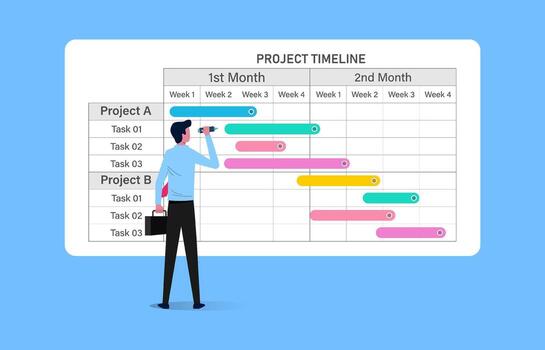
Project milestones can vary depending on the type of project, but they generally represent key achievements, decision points, or phase completions.
Below are some common examples across different types of projects:
1. Marketing Campaign Launch
Marketing projects often involve multiple stages, from planning to execution and performance analysis. Milestones help ensure that each stage is completed effectively before moving to the next.
Milestone #1: Campaign Go-Live Date
This milestone marks the official launch of the campaign. It indicates that all preparations—such as content creation, design, approvals, and scheduling—have been completed.
Reaching this milestone is critical because it represents the transition from planning to execution. It also serves as a key reference point for measuring campaign performance moving forward.
Milestone #2: First Performance Review
After the campaign goes live, the next important milestone is the initial performance evaluation. This typically involves analyzing metrics such as engagement, conversions, or reach.
This milestone is essential for identifying what’s working and what needs improvement. Based on the insights gathered, teams can optimize the campaign to achieve better results.
2. Software Development Project
Software development projects are typically complex and involve multiple phases, including design, development, testing, and deployment. Milestones help manage this complexity by marking key progress points.
Milestone #1: Beta Release
The beta release is a major milestone where the software is made available to a limited group of users for testing.
This milestone indicates that the core functionality has been developed and is ready for real-world use. It also provides an opportunity to gather feedback and identify issues before the final release.
Milestone #2: End of Beta Feedback Collection
Once users have tested the beta version, the next milestone is the completion of feedback collection.
This marks the point where all user insights, bug reports, and suggestions have been gathered and documented. It serves as a foundation for making final improvements and preparing for the official launch.
3. Software Testing Phase
Testing is a critical phase in any software project, ensuring that the final product meets quality standards. Milestones in this phase help track progress and ensure readiness for release.
Milestone #1: Completion of User Acceptance Testing (UAT)
User Acceptance Testing (UAT) is a key milestone where end-users validate that the software meets their requirements.
Reaching this milestone means that the product has passed functional and usability checks from the user’s perspective. It is often a prerequisite for final approval and deployment.
Milestone #2: Resolution of All Critical Bugs
Before releasing the software, all critical issues must be resolved. This milestone marks the point where the product is stable and ready for launch.
It ensures that major risks have been addressed and that the software meets quality and performance standards. Missing this milestone could lead to serious issues post-launch, making it one of the most important checkpoints in the project lifecycle.
How to Identify Project Milestones and Establish Them

Identifying and establishing project milestones is a critical step in building a well-structured and manageable project plan. Milestones don’t just appear automatically—they must be strategically defined based on the project’s scope, deliverables, and overall objectives.
When done correctly, milestones act as powerful checkpoints that guide execution, improve accountability, and ensure that progress is measurable at every stage. Below is a step-by-step approach to help you identify and establish effective project milestones.
Step 1. Understand the Project Scope and Objectives
The foundation of defining project milestones begins with a clear understanding of the project scope and its objectives. Without clarity at this stage, it becomes difficult to determine what qualifies as a meaningful milestone.
Start by identifying:
- The overall purpose of the project
- Key goals and expected outcomes
- Project boundaries (what is included and excluded)
- Stakeholder expectations
Milestones should always align with major achievements that contribute directly to project goals. For example, if the objective is to launch a product, milestones might include product design approval, prototype completion, and final launch readiness.
By clearly defining the scope, you ensure that milestones are not arbitrary but instead reflect real progress toward completing the project successfully.
Step 2. Break the Project Down into Phases
Once the scope is defined, the next step is to divide the project into logical phases or stages. This makes it easier to identify where milestones should be placed.
Most projects follow a structured lifecycle, such as:
- Initiation
- Planning
- Execution
- Monitoring
- Closure
Each phase naturally contains important transition points, which are ideal candidates for milestones. For example:
- Completion of the planning phase
- Approval to begin execution
- Completion of a major development stage
Breaking the project into phases helps you visualize the entire journey and ensures that milestones are distributed evenly throughout the timeline rather than clustered at the end.
This step also improves organization, making it easier to track progress and maintain control over complex workflows.
Step 3. Identify Key Deliverables
Milestones are often tied to the completion or approval of key deliverables. Deliverables are tangible outputs such as reports, designs, prototypes, or completed features.
To identify milestones, ask:
- What are the most important outputs of this project?
- Which deliverables mark significant progress?
- When do stakeholders need to review or approve work?
For instance, in a website development project, key deliverables might include:
- Wireframe approval
- Final design completion
- Website deployment
Each of these deliverables can be converted into a milestone because they represent major accomplishments rather than routine tasks.
Focusing on deliverables ensures that milestones are meaningful and tied directly to project outcomes, rather than being based on minor activities.
Step 4: Consult with the Project Team
Project milestones should not be defined in isolation. Collaborating with your team ensures that milestones are realistic, achievable, and aligned with actual workflows.
Team members bring valuable insights into:
- Task dependencies
- Time requirements
- Potential challenges
- Resource availability
By consulting with the team, you can identify critical points in the project that may not be obvious from a high-level perspective. For example, a developer might highlight the importance of completing backend integration before moving to testing, which could become a milestone.
This collaborative approach also increases team buy-in. When team members are involved in defining milestones, they are more likely to take ownership and stay committed to achieving them.
Ultimately, teamwork ensures that milestones are both practical and effective.
Step 5: Use Project Management Software
Modern project management tools play a significant role in identifying and managing milestones effectively. These tools help you visualize timelines, organize tasks, and track progress in real time.
With the help of software, you can:
- Create timelines or Gantt charts
- Assign milestones to specific dates
- Link milestones to tasks and deliverables
- Monitor progress automatically
Using digital tools also allows for better collaboration and transparency. Team members can see upcoming milestones, track their progress, and stay aligned with deadlines.
Additionally, many tools provide automation features, such as notifications and reminders, ensuring that milestones are not missed.
In today’s work environment, relying on project management software is essential for maintaining accuracy, efficiency, and control over milestone tracking.
Step 6: Set Important Dates and Criteria
A milestone is only effective if it is clearly defined and time-bound. That’s why it’s important to assign specific dates and success criteria to each milestone.
Each milestone should answer:
- When will this milestone be achieved?
- What conditions must be met for it to be considered complete?
For example:
- “Prototype completed and approved by stakeholders by March 15”
- “All critical bugs resolved before final testing phase”
Defining clear criteria ensures that there is no ambiguity about whether a milestone has been achieved. It also helps maintain accountability and consistency across the project.
Setting realistic deadlines is equally important. Overly ambitious timelines can lead to missed milestones, while overly relaxed timelines can reduce urgency.
By carefully balancing deadlines and criteria, you create milestones that are both challenging and achievable.
Step 7: Communicate Milestones to the Team
Even the best-defined milestones are ineffective if they are not properly communicated. Once milestones are established, they must be clearly shared with all stakeholders and team members.
Effective communication ensures that everyone understands:
- What the milestones are
- Why they are important
- When they need to be achieved
- Who is responsible for contributing
This can be done through:
- Project kickoff meetings
- Shared dashboards or timelines
- Regular status updates
Clear communication helps prevent confusion and ensures that all team members are working toward the same goals. It also reinforces accountability, as everyone knows what is expected at each stage.
Additionally, communicating milestones to stakeholders builds trust and keeps them informed about project progress without overwhelming them with details.
Step 8: Monitor and Adjust as per the Project Progress
Projects rarely go exactly as planned, which is why continuous monitoring is essential. Once milestones are established, they should be regularly reviewed and adjusted based on actual progress.
Monitoring involves:
- Tracking milestone completion
- Comparing actual progress with planned timelines
- Identifying delays or issues
If a milestone is at risk of being delayed, project managers can take corrective actions such as:
- Reallocating resources
- Adjusting schedules
- Revising priorities
Flexibility is key. In some cases, milestones may need to be updated to reflect changes in scope or unexpected challenges. The goal is not to rigidly stick to the original plan but to ensure that milestones continue to support the overall success of the project.
Regular reviews also provide opportunities to celebrate achievements, gather feedback, and improve future planning.
How to Achieve Your Project’s Milestones With Corexta
Successfully achieving project milestones requires more than just planning—it demands the right tools, real-time visibility, and seamless collaboration. This is where Corexta stands out as a powerful solution. It provides an all-in-one environment that helps teams plan, track, and deliver milestones efficiently without relying on multiple disconnected tools.
Corexta is designed as a centralized business and project management platform, allowing teams to manage everything—from tasks and timelines to communication and finances—in one place.
Here’s how Corexta helps you achieve your project milestones effectively:
Centralized Project Planning and Roadmapping
Corexta enables teams to plan projects with clarity using structured workflows and visual tools. With features like project roadmaps and Gantt charts, you can map out the entire project timeline and clearly define where each milestone fits.
This allows you to:
- Visualize milestone timelines
- Understand dependencies between tasks
- Ensure every phase progresses logically
By having a clear roadmap, teams can stay aligned and ensure that milestones are not missed or delayed.
Advanced Task Management and Milestone Tracking
Milestones are achieved through the completion of tasks, and Corexta provides robust task management features to support this. Teams can:
- Break down milestones into actionable tasks
- Assign responsibilities to team members
- Set deadlines and priorities
- Track progress in real time
Corexta’s task tracking system ensures that every activity contributing to a milestone is monitored closely, reducing the chances of bottlenecks or missed deadlines.
Real-Time Progress Monitoring
One of the biggest challenges in milestone management is lack of visibility. Corexta solves this with real-time tracking and reporting.
Project managers can:
- Monitor progress instantly
- Track completion rates of tasks and milestones
- Identify delays early
- Make data-driven decisions
This real-time insight ensures that teams can take corrective action before a milestone is at risk, improving overall project success.
Seamless Collaboration and Communication
Milestones often require coordination between multiple team members and departments. Corexta enhances collaboration through:
- Built-in team chat and communication tools
- Real-time notifications
- Shared dashboards and updates
These features ensure that everyone stays informed and aligned, reducing miscommunication and keeping progress on track.
When teams communicate effectively, milestones are achieved faster and with fewer errors.
Time Tracking and Performance Optimization
Time management is closely tied to milestone achievement. Corexta includes time tracking and timesheet features that help teams monitor how time is spent on tasks.
This allows project managers to:
- Compare estimated vs. actual time
- Identify inefficiencies
- Optimize workflows
- Ensure deadlines are met
Accurate time tracking ensures that milestones are completed within the planned schedule and helps improve future project planning.
Integrated Financial and Resource Management
Unlike many tools that focus only on tasks, Corexta integrates financial and resource management into project workflows.
Teams can:
- Track project expenses and budgets
- Manage invoices and payments
- Monitor profitability
- Allocate resources efficiently
This holistic approach ensures that milestones are not only achieved on time but also within budget, which is critical for business success.
All-in-One Platform for End-to-End Project Execution
One of Corexta’s biggest advantages is that it eliminates the need for multiple tools. It combines:
- Project management
- Task tracking
- Client management
- HR and team management
- Financial tracking
This unified system reduces complexity and ensures that all project-related data is available in one place, improving efficiency and decision-making.
Achieving project milestones consistently requires a combination of clear planning, effective execution, and continuous monitoring. Corexta simplifies this entire process by providing a centralized, feature-rich platform that supports every stage of the project lifecycle.
If you want to streamline your workflows, improve team collaboration, and ensure your milestones are achieved on time, Corexta offers a practical and scalable solution. Start using it to bring clarity, control, and consistency to your project management process.
Clarifying Common Misunderstandings About Project Management Milestones

Project milestones are often misunderstood or confused with other project management elements. Clarifying these differences is essential for using milestones effectively and avoiding planning mistakes.
1. Milestone vs. Goal
A goal is the overall outcome that a project aims to achieve, while a milestone is a checkpoint that marks progress toward that goal.
- Goal: Broad, long-term objective
- Milestone: Specific point in time indicating progress
For example:
- Goal: Launch a new mobile app
- Milestone: Complete app development phase
Goals define what you want to achieve, whereas milestones show how far you’ve progressed toward achieving it.
Understanding this distinction ensures that milestones are used as progress indicators, not end objectives.
2. Milestone vs. Task
A task is an activity or piece of work that needs to be completed, while a milestone represents the completion of a significant event or phase.
- Task: Has duration and involves effort
- Milestone: Has no duration and marks completion
For example:
- Task: Design user interface screens
- Milestone: UI design approved
Tasks contribute to milestones, but milestones themselves do not involve work—they simply represent key achievements.
Confusing the two can lead to overly detailed milestone plans that lose their strategic value.
3. Milestone vs. Deliverable
A deliverable is a tangible output or result produced during a project, while a milestone marks the completion or approval of that deliverable.
- Deliverable: A product, document, or output
- Milestone: The event of completing or approving that output
For example:
- Deliverable: Project proposal document
- Milestone: Proposal approved by stakeholders
Deliverables are the what, and milestones are the when.
Recognizing this difference helps teams focus on both producing quality outputs and tracking progress effectively.
Understanding these distinctions ensures that project milestones are used correctly—as strategic checkpoints rather than tasks or goals. When clearly defined and properly managed, milestones become powerful tools that guide projects toward successful completion with clarity and control.
Premier Tool for Successful Projects
Project milestones are more than simple markers—they are critical checkpoints that shape the direction and success of your project. They help project managers stay focused, maintain alignment with objectives, and ensure that progress is consistently moving in the right direction.
To make the most of these milestones, project managers must not only identify them clearly but also guide their teams through each stage with precision. This requires a structured, well-organized approach that keeps timelines, deliverables, and team efforts fully aligned.
That’s where Corexta becomes a valuable partner. As a comprehensive project management platform, Corexta supports every stage of your workflow—from building a detailed Work Breakdown Structure (WBS) to executing accurate and efficient project plans.
Get started with Corexta today and simplify how you manage your milestones. With the right system in place, achieving project success becomes more transparent, measurable, and completely within reach.
Read More: Priority Management: How to Create Systems to Manage Priorities