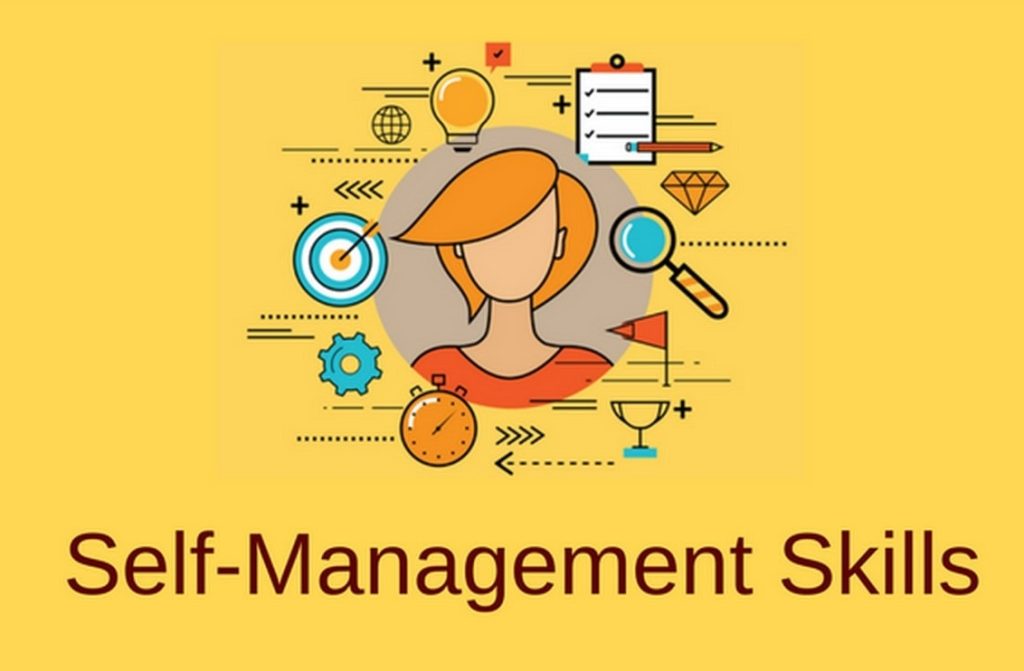
In today’s fast-paced and ever-evolving work environment, self-management has become one of the most essential soft skills for career success. Whether you’re working remotely, managing multiple projects, or striving for a promotion, your ability to manage yourself—your time, energy, emotions, and goals—can make all the difference.
Self-management is more than just staying organized; it’s about taking initiative, being accountable for your performance, and continuously adapting to challenges. When you master self-management skills, you not only become more productive and efficient, but you also contribute to a more collaborative and results-driven workplace culture.
What is Self-Management?
Self-management is the ability to regulate your behavior, thoughts, and emotions in a way that aligns with your personal and professional goals. It involves setting priorities, making responsible choices, staying focused despite distractions, and maintaining motivation without constant supervision.
In the workplace, self-management shows up through punctuality, meeting deadlines, managing stress, and adapting to changes without needing external push. It empowers professionals to work independently, solve problems proactively, and make consistent progress toward long-term success.
In short, self-management is the foundation of professional maturity—and a critical driver of productivity and performance in any career.
Benefits of Self-Management

Mastering self-management isn’t just about checking tasks off a to-do list—it unlocks meaningful, long-term benefits for both individuals and teams. Here’s how improving your self-management skills can positively impact your professional life:
Increase Productivity and Efficiency
When you manage your time, priorities, and responsibilities effectively, you get more done in less time. Self-management helps you stay focused on what matters most, reduce multitasking, and maintain momentum throughout the day.
Reduce Stress and Improve Well-Being
By proactively organizing your workload and setting healthy boundaries, you can prevent burnout and reduce anxiety. Practicing self-awareness and stress management techniques also enhances your emotional resilience and work-life balance.
Enhance Decision-Making
Good self-management includes thinking critically, weighing options, and making thoughtful decisions—even under pressure. This skill improves your ability to evaluate situations objectively and choose actions that align with your goals.
Gain Confidence and Self-Esteem
When you take ownership of your performance and see consistent progress, your confidence naturally grows. Meeting deadlines, achieving goals, and handling challenges effectively reinforce a strong sense of self-belief and competence.
Improve Communication and Collaboration
Self-managed individuals are better communicators—they listen actively, respect others’ time, and follow through on commitments. This builds trust and improves teamwork, especially in collaborative or remote environments.
Unlock New Career Opportunities
Strong self-management skills make you stand out. Employers value professionals who are proactive, dependable, and capable of driving their own growth. As you demonstrate leadership over your own development, new roles and opportunities become accessible.
The 7 Key Components of Self-Management

To become truly self-managed in the workplace, you need to develop a combination of core skills that work together to boost focus, resilience, and productivity. Here are the seven essential components of self-management:
1. Time Management
Effective time management means planning, organizing, and prioritizing tasks to make the best use of your available time. It involves setting realistic deadlines, using tools like calendars or to-do lists, and allocating time for deep work. When you master time management, you reduce procrastination, meet deadlines consistently, and create room for strategic thinking.
Why it matters:
Time is a limited resource. Learning to control how you spend it helps you maximize productivity while maintaining work-life balance.
2. Self-Motivation
Self-motivation is your internal drive to achieve goals without constant supervision or external rewards. It’s about staying focused, enthusiastic, and goal-oriented—even when challenges arise or results take time to appear.
Why it matters:
Motivated individuals are more persistent, goal-driven, and resilient in the face of setbacks. This drive often leads to higher performance and innovation.
3. Stress Management
Stress is inevitable at work, but how you handle it makes all the difference. Stress management involves recognizing triggers, maintaining emotional control, and using healthy coping strategies like mindfulness, exercise, or time-off to recharge.
Why it matters:
Unmanaged stress can lead to burnout and poor decision-making. When you control stress, you stay calm, focused, and productive—even under pressure.
4. Decision Making
Strong decision-making skills help you evaluate situations objectively and choose the best course of action. This involves gathering data, weighing pros and cons, considering risks, and making timely, confident choices.
Why it matters:
Decisiveness leads to momentum. Whether it’s resolving conflicts, solving problems, or choosing priorities, effective decision-making drives progress and builds trust.
5. Personal Development
Personal development means actively seeking to improve your knowledge, skills, and mindset over time. This could include reading, taking courses, seeking feedback, or engaging in mentoring relationships.
Why it matters:
The workplace is constantly evolving. Continuous learning keeps your skills relevant and shows your commitment to growth and excellence.
6. Goal Alignment
Goal alignment is the ability to set and pursue goals that match your values, team objectives, and long-term aspirations. It involves clarity, purpose, and consistent follow-through.
Why it matters:
When your daily actions align with your broader goals, you stay motivated, avoid distractions, and deliver meaningful results.
7. Adaptability
Adaptability is your ability to adjust to new conditions, challenges, or feedback. It means staying flexible in your mindset and open to change, even when it’s uncomfortable.
Why it matters:
In fast-moving work environments, rigid thinking can hold you back. Adaptable professionals thrive during change and contribute to continuous improvement.
Each of these self-management components plays a crucial role in helping you perform better, grow faster, and work smarter. Strengthening them is a lifelong process, but even small improvements can lead to significant results in your career.
📮 Why Disconnected Tools Hold Teams Back
In many workplaces, teams use multiple apps and platforms for project management, communication, file sharing, time tracking, and task coordination. While each tool may serve a specific purpose, relying on disconnected systems can create more problems than they solve.
When tools don’t talk to each other, team members face issues like:
-
Information silos: Critical data is scattered across platforms, making it hard to access or update in real-time.
-
Duplicate work: Teams often re-enter the same data in multiple places, wasting time and increasing the risk of errors.
-
Lack of clarity: Without a unified view of priorities, deadlines, and responsibilities, team members may feel lost or misaligned.
-
Delayed communication: Switching between apps can cause message fatigue and missed updates, slowing down collaboration.
-
Decreased productivity: Constantly toggling between tools breaks focus and drains mental energy.
To build high-performing, self-managed teams, it’s essential to use integrated platforms that consolidate workflows and offer visibility across projects—like Corexta, which combines work, communication, and performance tracking in one place.
Common Self-Management Challenges in the Modern Workspace

Even with the best intentions, many professionals struggle to maintain consistent self-management. Here are some of the most common challenges people face today:
Information Overload
We’re constantly bombarded with emails, notifications, and digital updates. This flood of information makes it difficult to focus, process, and prioritize what’s actually important.
Impact:
It leads to mental fatigue, missed details, and lower productivity.
Distractions
Open office plans, smartphones, social media, and even internal thoughts can easily derail concentration.
Impact:
Frequent interruptions reduce your ability to enter deep work mode, affecting both the quality and speed of your output.
Time Management Struggles
Many people find it hard to plan their day, allocate time effectively, or stick to a schedule.
Impact:
Poor time management results in missed deadlines, last-minute stress, and lower overall performance.
Difficulty Prioritizing
With multiple responsibilities and shifting demands, it’s easy to get overwhelmed and unsure about what to tackle first.
Impact:
Important tasks get delayed while less critical activities consume time and energy.
Procrastination
Delaying important tasks, especially those that are complex or unpleasant, is a widespread challenge.
Impact:
Procrastination not only hurts productivity but also leads to guilt, stress, and rushed work.
Work-Life Balance
Remote work and flexible schedules blur the boundaries between professional and personal life.
Impact:
Without clear limits, many professionals work longer hours, leading to burnout, fatigue, and reduced job satisfaction.
7 Strategies to Improve Self-Management Skills

Improving self-management is not about working harder—it’s about working smarter. By applying practical strategies that align with your personality, goals, and work environment, you can build habits that support productivity, confidence, and resilience. Below are seven actionable strategies to help you strengthen your self-management skills:
1. Identify Your Peak Time for Efficient Time Management
Everyone has natural energy peaks during the day—times when you feel more alert, creative, and focused. Recognizing and leveraging your peak hours allows you to schedule high-priority or mentally demanding tasks when you’re most productive.
Tip:
Track your energy and focus over a week to discover patterns. Then, block off your peak hours for deep work and schedule lighter tasks (emails, admin work) during low-energy periods.
Benefit:
Helps you get more done in less time while reducing mental fatigue.
2. Set Goals to Stay Motivated and Confident
Clear, measurable goals act as a road map and a source of daily motivation. Whether it’s a project milestone, learning a new skill, or improving a habit, setting specific goals keeps you aligned with your purpose.
Tip:
Use SMART goals (Specific, Measurable, Achievable, Relevant, Time-bound) to give yourself clarity and structure. Break large goals into small, achievable steps.
Benefit:
Builds momentum and reinforces confidence as you track progress and celebrate small wins.
3. Learn Stress-Management Techniques
Stress is inevitable, but how you manage it determines your ability to stay focused and balanced. Developing a stress-management toolkit can help you stay calm, collected, and resilient under pressure.
Tip:
Practice techniques like deep breathing, mindfulness, journaling, or physical exercise. Also, take regular breaks and get enough sleep to recharge.
Benefit:
Reduces anxiety, prevents burnout, and keeps your mind clear for better decision-making and task execution.
4. Make Effective Decisions Using Data
Good decision-making isn’t about intuition alone—it’s about using logic, data, and critical thinking. By basing your choices on facts and performance insights, you make smarter, more confident decisions.
Tip:
Gather relevant data, weigh pros and cons, assess risks, and consider the long-term impact before committing. When possible, use tools that provide analytics or project forecasts to support your choices.
Benefit:
Improves accuracy, accountability, and trust in your judgment.
5. Be Self-Aware
Self-awareness is the foundation of emotional intelligence and effective self-management. It means understanding your strengths, weaknesses, triggers, and behavioral patterns so you can respond intentionally rather than react impulsively.
Tip:
Reflect regularly on your actions and results. Ask for feedback from colleagues or mentors. Keep a personal journal to observe patterns in your mood, energy, or performance.
Benefit:
Enhances emotional control, decision-making, and your ability to adjust habits for better outcomes.
6. Define Your Actions with Your Long-Term Goals
Self-management requires a long-term vision. Aligning your daily tasks and behaviors with your bigger life or career goals gives your work deeper meaning and direction.
Tip:
Start each week by reviewing your long-term goals and mapping tasks that move you closer to them. Eliminate distractions and low-value tasks that don’t support your objectives.
Benefit:
Creates purpose-driven productivity and reduces the feeling of aimless busyness.
7. Be Open to Change & Unforeseen Circumstances
Change is constant in today’s professional world. Building adaptability into your mindset allows you to respond to unexpected situations with flexibility, optimism, and creativity.
Tip:
Reframe challenges as opportunities to learn. Stay informed, be proactive in solving problems, and regularly review your goals to adjust them based on changing realities.
Benefit:
Improves your resilience and ability to thrive in dynamic work environments without losing focus or motivation.
Take Your Self-Management Skills Up a Notch with Corexta

Mastering self-management is easier when you have the right tools to support your growth—and that’s where Corexta comes in. Corexta is an all-in-one work management platform designed to streamline how you plan, execute, and monitor your tasks, helping you become more focused, efficient, and organized in your day-to-day work.
Here’s how Corexta enhances your self-management skills:
-
Centralized Task & Time Management
Plan your day with to-do lists, calendars, and time-blocking tools—all in one place. Track deadlines, set priorities, and allocate time for deep work without switching platforms. -
Goal Tracking & Progress Monitoring
Corexta helps you set SMART goals and align them with team objectives. Visual dashboards and performance analytics keep you motivated and on track. -
Distraction-Free Focus Mode
Use built-in productivity features to minimize digital distractions and stay focused during your most important work hours. -
Built-In Reminders & Automation
Automate recurring tasks, receive smart reminders, and eliminate manual follow-ups so you can stay ahead without mental clutter. -
Stress-Free Collaboration
Seamlessly communicate with your team, share files, and manage workflows within one system—reducing email overload and task duplication. -
Real-Time Insights for Smarter Decisions
Access real-time data on project status, time usage, and productivity trends to make informed decisions and improve how you work.
Whether you’re an individual contributor or managing a team, Corexta empowers you to take control of your time, tasks, and personal growth—making self-management not just a skill but a daily habit.
Ready to boost your productivity with ease?
👉 Sign up for your free Corexta account today and experience the power of Corexta in transforming your personal growth!