Every project — whether in construction, software development, marketing, or operations — involves people and groups whose interests, expectations, and influence can shape the project’s success. These are called project stakeholders, and they can make or break your plans depending on how well you identify, understand, and engage with them.
Stakeholder management isn’t just a buzzword in today’s project management world — it’s a structured discipline rooted in communication, strategic engagement, and relationship building. By the time you finish this post, you’ll have a robust understanding of what stakeholders are, the different types you’ll encounter, and why effectively managing them is essential for delivering successful projects.
What Is a Stakeholder in Project Management?
In project management, a stakeholder is any individual, group, or organization that has a vested interest in a project, is impacted by its outcomes, or can influence its direction and success. This includes people directly involved in doing the work, as well as others who benefit from — or are affected by — the project’s results.
Stakeholders can affect a project positively or negatively. Their support may be critical to secure funding, allocate resources, make key decisions, or approve deliverables. Conversely, unmanaged stakeholder expectations or conflicting interests can lead to delays, increased costs, or project failure.
Types of Project Stakeholders

Understanding the different types of stakeholders is the foundation for meaningful engagement and communication planning. Stakeholders can be categorized in several ways — most commonly by their relationship to the organization and by their level of impact on the project.
Internal Stakeholders
Internal stakeholders are people or groups within the organization overseeing the project. These stakeholders are directly involved in the execution, decisions, and performance of the project, and their roles closely tie to meeting project objectives.
Examples of internal stakeholders include:
- Project team members who execute tasks and deliver work.
- Project manager responsible for planning and managing the entire project.
- Sponsors and executives who provide funding, approval, and strategic direction.
- Department heads or functional managers who allocate resources or oversee teams.
Internal stakeholders are especially important because they shape the project’s implementation and help align it with internal goals, policies, and organizational priorities.
External Stakeholders
External stakeholders are individuals or groups outside the project team or organization that still have an interest in the project’s results or processes. Although they don’t work within the project’s structure, their influence and expectations can affect how a project unfolds.
Examples of external stakeholders include:
- Clients or customers who receive the final product or service.
- Suppliers and vendors providing key materials, components, or services.
- Government or regulatory agencies enforcing compliance and standards.
- Investors or creditors who indirectly influence project viability.
External stakeholders are vital because their satisfaction often determines project acceptance, legal compliance, and market success.
Primary vs. Secondary Stakeholders
Beyond just internal and external classifications, stakeholders can also be defined by how directly they are impacted by the project:
- Primary stakeholders: These are directly affected by the project’s outcomes and have significant interest or investment in its success. They include project sponsors, core team members, and customers who rely on deliverables.
- Secondary stakeholders: These stakeholders are indirectly impacted or have a more peripheral interest. They might include community groups, media, industry associations, or advocacy organizations whose interests are tied to the project’s implications.
Understanding this distinction helps you prioritize engagement efforts and allocate resources where they’re most needed. For example, primary stakeholders often require more frequent updates and deeper involvement in decision-making, while secondary stakeholders might only need occasional communications.
Why Stakeholder Management Matters for Project Success

Effective stakeholder management is a cornerstone of successful project delivery. Projects don’t operate in isolation — they involve multiple individuals, teams, and organizations with varying expectations, interests, and levels of influence. Without properly managing these relationships, even well-planned projects can experience delays, scope changes, budget overruns, or fail to deliver expected value.
Here’s why stakeholder management is so important:
Aligns Goals and Expectations
Stakeholder management ensures that the project’s goals are aligned with the expectations of those involved or affected. By regularly engaging with stakeholders and understanding their needs early, project teams can adjust plans to avoid misunderstandings and ensure everyone is working toward the same outcomes. This alignment reduces resistance and increases the likelihood of achieving project objectives.
Improves Communication and Transparency
A structured approach to stakeholder engagement improves how information flows between the project team and stakeholders. When stakeholders are kept informed about progress, risks, and changes, it builds trust, reduces uncertainty, and prevents miscommunication that could derail progress.
Enhances Project Support and Buy-In
Stakeholders who feel heard and involved are more likely to support the project and advocate for its success. This includes securing necessary resources, resolving conflicts, and gaining approval for critical decisions. Projects with strong stakeholder support typically encounter fewer obstacles and enjoy smoother execution.
Reduces Risks and Identifies Issues Early
Stakeholders often have unique insights about potential risks — technical, operational, financial, or regulatory. By engaging them through stakeholder management processes, project teams can uncover hidden risks early and plan mitigation strategies before issues escalate.
Increases Customer Satisfaction
For projects with external stakeholders like customers or users, effective stakeholder management helps ensure that the final deliverable meets or exceeds their expectations. Understanding stakeholder requirements and incorporating feedback throughout the project life cycle leads to higher satisfaction and better outcomes.
How to Identify Project Stakeholders

Identifying stakeholders is one of the first and most critical steps in the stakeholder management process. Early identification helps ensure no key individuals or groups are overlooked and supports strategic planning throughout the project life cycle.
Below are practical methods you can use to identify stakeholders for your project:
Brainstorm Potential Stakeholders
Start by brainstorming with your project team and relevant internal contributors to list all possible stakeholders. Think broadly — include anyone who might be affected by the project, involved in executing tasks, or holds influence over outcomes. Typical stakeholders may include team members, executives, users, suppliers, and regulatory bodies. This collaborative session helps capture a wide spectrum of perspectives that might otherwise be missed.
Review Project Documentation
Existing documentation such as the project charter, scope statement, business case, contracts, or organizational charts can reveal potential stakeholders. The project charter often lists sponsors and primary stakeholders, while procurement documents can help identify vendors, contractors, and third-party partners. Reviewing these sources early gives you a solid baseline from which to expand your stakeholder list.
Interview Key Players
Conduct structured interviews with senior members of the organization, department heads, or subject matter experts. These discussions can uncover stakeholders who were not obvious in the initial brainstorming and help clarify the interests, priorities, and potential influence of identified stakeholders. Expert input is valuable in understanding the dynamics and importance of each stakeholder.
Map Organizational Connections
Look beyond individual names and consider roles, departments, and functional groups that may be impacted by or have influence over your project. Mapping organizational relationships — for example, who reports to whom or which departments collaborate closely — can help you identify indirect stakeholders such as support teams, functional managers, or affiliated business units. This holistic view ensures that your stakeholder list accounts for both formal and informal influences.
Stakeholder Analysis Frameworks That Work

Effective stakeholder analysis is a strategic foundation for managing relationships that influence project outcomes. It’s not enough just to identify stakeholders — you need frameworks to evaluate their influence, interest, impact, attitudes, and engagement needs to tailor your engagement strategy meaningfully and proactively throughout the project lifecycle.
Below are three widely adopted and practical frameworks that help project leaders understand their stakeholders more deeply and make informed decisions about communication, involvement, and risk management.
Power–Interest Grid
The Power–Interest Grid is among the most used frameworks because of its clarity and actionable outputs. It maps stakeholders in a two‑dimensional matrix based on:
- Power (or influence): The degree to which the stakeholder can affect project decisions, resources, or outcomes.
- Interest: How much the stakeholder cares about project decisions or results.
This mapping produces four key groups:
- High Power, High Interest → Manage Closely
These critical stakeholders (e.g., executives, sponsors, major clients) must be actively engaged, consulted on decisions, and regularly updated. Their support directly affects project success. - High Power, Low Interest → Keep Satisfied
These stakeholders can influence outcomes but aren’t deeply interested in daily details — provide essential updates and concern management without overwhelming them. - Low Power, High Interest → Keep Informed
These may include team members or end users who care about outcomes but lack authority — regular updates and feedback channels help maintain clarity and support. - Low Power, Low Interest → Monitor
These stakeholders shouldn’t be ignored entirely, but require minimal communication; monitor for any changes in status or interest.
Using this grid helps project managers prioritize communication efforts and manage time — focusing energy where it matters most for project progress.
Influence–Impact Matrix
The Influence–Impact Matrix operates like the Power–Interest Grid but emphasizes impact on the project outcome in addition to influence.
- Influence: The stakeholder’s ability to shape decisions or resources.
- Impact: How much the project’s outputs affect the stakeholder’s interests or operations.
Stakeholders with high influence and high impact are the most strategic — they can significantly alter the project and are deeply affected by its outcome. These typically become central engagement targets throughout the project lifecycle.
This matrix is especially useful in large, complex projects with multiple stakeholder groups, such as enterprise IT implementations, infrastructure initiatives, or cross‑functional business transformations, because it helps differentiate between power holders and impact bearers and designs engagement approaches accordingly.
Stakeholder Engagement Level Assessment
Beyond just mapping influence and interest, leading practice emphasizes evaluating stakeholders’ current and desired engagement levels. A common assessment categorizes stakeholders into:
- Unaware: Not familiar with the project or its implications.
- Resistant: Aware but opposed or concerned about the project.
- Neutral: Neither supportive nor resistant — uninvolved observers.
- Supportive: Positive about the project and willing to help.
- Leading: Actively advocating for the project’s goals.
The purpose of this assessment is twofold:
- Diagnose current engagement status — understanding where stakeholders truly stand.
- Set engagement goals — defining the desired level of engagement and identifying gaps.
Once you know the gap between actual and desired engagement, you can implement specific actions — such as more frequent updates, one‑on‑one meetings, feedback sessions, or participation in key decisions — to move stakeholders toward greater support and involvement.
Communication Strategies for Different Stakeholder Groups

Communication is the engine of stakeholder engagement: it connects project progress with stakeholder expectations and helps navigate uncertainty, changes, and conflicting priorities. Research shows that tailored, frequent, and transparent communication increases stakeholder satisfaction and engagement, which correlates strongly with project success.
Here are advanced, up‑to‑date strategies that reflect current best practices.
Build a Strategic Communication Plan
A quality communication plan is not just a schedule of messages — it’s a purposeful blueprint that details:
- Who: Which stakeholders receive information.
- What: What kind of information each stakeholder needs (e.g., strategic updates vs. task‑level details).
- When: Timing and frequency of communications (daily standups, weekly reports, monthly reviews, milestone briefings).
- How: Preferred channels (email, dashboards, face‑to‑face, collaborative tools).
- Why: The communication objective (inform, consult, obtain approval).
This ensures you communicate with intent rather than reacting ad‑hoc to requests or crises.
Tailor Content and Channels to Stakeholder Preferences
Different stakeholders absorb information differently. For example:
- Executives and sponsors often prefer concise dashboards or executive summaries.
- Team members benefit from more detailed updates and actionable tasks.
- External vendors or regulators may require formal documentation or periodic formal reporting.
Matching both the content and delivery channel to stakeholder preferences improves clarity, reduces overload, and reinforces involvement.
Establish Regular Feedback Mechanisms
Communication should be two‑way, not just announcements. Regularly solicit feedback through:
- Surveys
- Structured interviews
- Q&A sessions
- Workshops or focus groups
This allows stakeholders to voice concerns early, fosters trust, and provides insight into hidden issues before they escalate.
Leverage Multiple Communication Channels
Today’s projects often span remote teams, global partners, and diverse stakeholder groups. Use a mix of channels:
- Digital tools: Collaboration platforms, instant messaging, shared dashboards.
- Asynchronous updates: Email summaries, status reports, newsletters.
- Synchronous engagement: Virtual meetings, workshops, board presentations.
- Documentation repositories: Centralized portals for transparency and record‑keeping.
Selecting the right mix reduces information friction and ensures stakeholders receive updates in familiar formats.
Practice Active and Empathetic Listening
Effective communication is as much about listening as speaking. Research highlights that stakeholders who feel heard are more satisfied and collaborative, which reduces resistance and fosters a positive project climate.
Listening reveals deeper concerns, hidden risks, and opportunities for aligning expectations — and it must be practiced intentionally through structured feedback sessions.
Clarify Expectations and Roles Up Front
Early in the project, define what stakeholders can expect and what you expect from them. Clear role definitions help prevent misunderstandings later and provide a reference point when questions about duties or boundaries arise.
Common Stakeholder Management Challenges
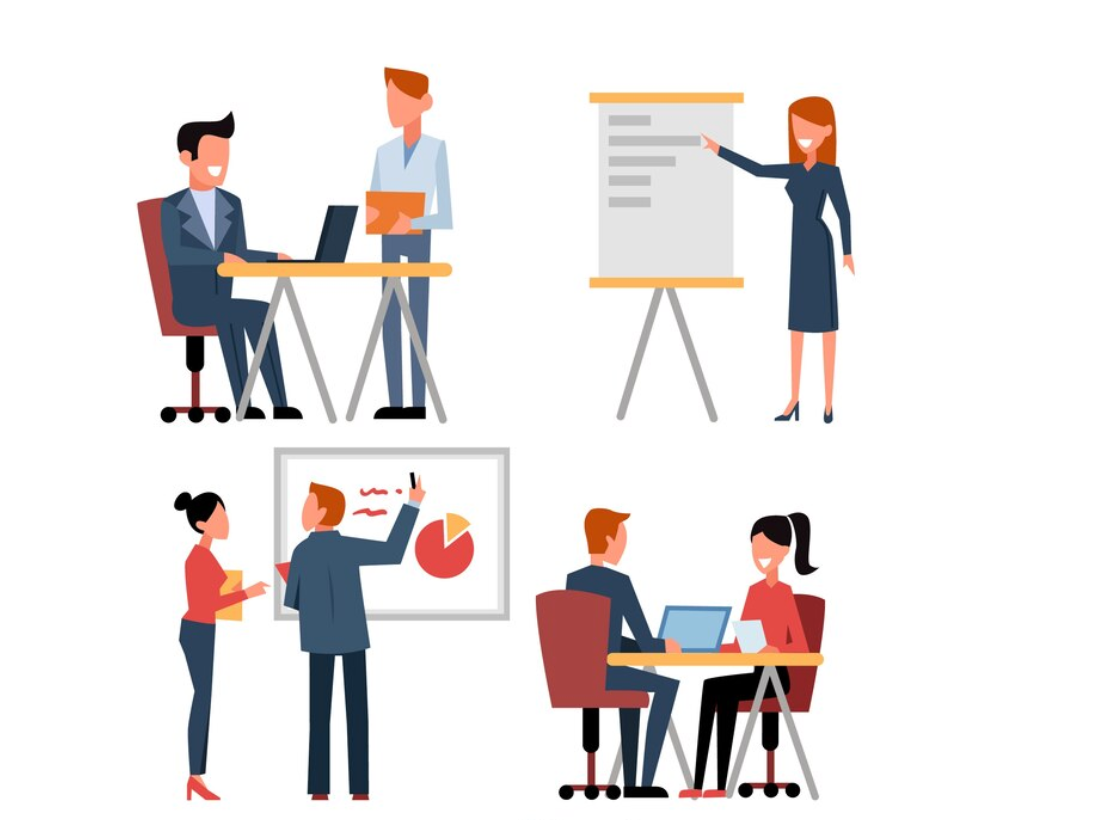
Even well‑planned stakeholder strategies will encounter real‑world challenges. Anticipating these issues allows project managers to build resilience and adaptability into their plans.
Conflicting Interests and Priorities
Stakeholders often have different goals and expectations. For instance, executives may prioritize budget and deadlines, while end users focus on quality and usability. Reconciling these requires negotiation, alignment sessions, and sometimes making tough trade‑off decisions backed by data.
Communication Breakdown and Misinterpretation
In complex projects, messages can be misinterpreted — especially when delivered inconsistently or without context. Clear, transparent, and consistent communication reduces noise and misunderstanding while building confidence and trust.
Resistance to Change
Stakeholders may resist aspects of a project due to fear of unknown outcomes, workload changes, or perceived negative impacts. Addressing resistance requires empathy, frequent engagement, and often integrating change‑management practices into stakeholder communication plans.
Varying Levels of Engagement Over Time
Stakeholder engagement evolves. Supporters can become indifferent, and previously quiet stakeholders can become influential due to shifting organizational priorities, new risks, or external pressures. A static plan won’t suffice — you must monitor and update analysis continuously.
Geographic and Cultural Barriers
Global and remote project environments intensify challenges such as time zone differences, cultural expectations, and communication norms. Sensitivity to cultural preferences and scheduling flexibility increases engagement and helps avoid miscommunication or disengagement.
Information Overload or Inaccessibility
Too much information can overwhelm stakeholders; too little leaves them uninformed. Finding the right balance — and ensuring accessibility to reports, dashboards, or collaborative tools — is critical for maintaining alignment without fatigue.
Unanticipated Stakeholders
Projects change, and new stakeholders — such as regulatory bodies, partner organizations, or user groups — can emerge unexpectedly. Updating stakeholder maps, analysis frameworks, and communication plans in real time is vital to avoid surprises that jeopardize timelines or goals.
Resource and Time Constraints
Stakeholder engagement is resource‑intensive. It requires time for analysis, meetings, updates, and follow‑through. Project managers often balance this with other responsibilities, so prioritizing stakeholders and automating communication where possible can free up capacity without reducing quality.
Effective stakeholder analysis, targeted communication strategies, and preparation for common challenges are core to delivering successful projects in today’s dynamic environments. Whether you’re navigating global teams, shifting priorities, or numerous stakeholder agendas, using structured frameworks and proactive communication increases alignment, minimizes risk, and builds trust — which are essential ingredients for project success.
How Corexta Simplifies Stakeholder Management
Managing project stakeholders effectively can be complex — especially when teams, clients, tasks, communications, and operational data are spread across multiple tools. Corexta addresses this challenge by offering a centralized, all‑in‑one business and project management platform that brings all of these moving parts under one roof, simplifying how you manage stakeholders and stakeholder‑related information throughout the project lifecycle.
Unified Project & Stakeholder Context
Corexta’s integrated project management features allow you to structure and oversee work in a way that inherently supports stakeholder engagement. You can:
- Create and organize projects with clear timelines, roles, and assigned team members — giving stakeholders a transparent view of what’s happening and who is responsible.
- Break down work into tasks and subtasks with owners, deadlines, priorities, and progress indicators that help keep everyone on the same page.
- Use visual tools (Kanban boards and project roadmaps) so stakeholders can intuitively understand workflow stages and project direction at a glance.
This structured visibility ensures that key stakeholders — from team members to clients — always have context for decisions and next steps without having to chase updates across multiple systems.
Real‑Time Progress Tracking & Dashboards
One of Corexta’s strengths is real‑time tracking and dashboards that aggregate critical project data into a single view. These dashboards show:
- Overall progress against plans
- Upcoming deadlines and milestones
- Task completion trends
- Resource workload distribution
- Expenses, earnings, and other performance indicators
This up‑to‑date visibility is invaluable for stakeholder communication. Project managers can quickly generate insights, demonstrate progress, and pre‑empt concerns without needing to manually compile reports from disparate sources — reducing miscommunication and enhancing stakeholder confidence.
Built‑In Collaboration & Communication
Stakeholder communication is more efficient when collaboration tools are built into the workflow itself. Corexta includes:
- Internal chat and messaging features for seamless team communication
- Real‑time notifications that alert stakeholders to important updates
- Integrations with tools like Slack to extend communication beyond the platform
These features eliminate the need for juggling external chat apps or long email threads. Conversations about work happen in context, linked to the specific tasks or projects stakeholders care about.
End‑to‑End Work & Client Management
Stakeholder management isn’t just about internal teams; it also involves clients, vendors, and external partners. Corexta supports client relationship and contract management so that you can:
- Track client accounts and contact information
- Create and manage contracts with connected billing and payment tracking
- Link client accounts directly to project deliverables and tasks
This means clients and external stakeholders see connected work history, expectations, agreements, and financials all in one place — reducing ambiguity and supporting better decision‑making.
Time Tracking, Accountability & Transparency
Corexta’s built‑in timesheet and time‑tracking tools allow teams to log hours against specific tasks and projects. This feature helps project managers demonstrate actual effort versus planned effort, which is useful when updating stakeholders on progress, justifying resourcing decisions, or explaining timeline changes.
Centralized Platform Reduces Fragmentation
One of the biggest challenges in stakeholder management is fragmented information — where updates reside in emails, calendars, spreadsheets, and multiple apps. Corexta eliminates this fragmentation by combining project, client, finance, HR, and collaboration tools into a single workspace. Everything stakeholders need to understand their part in the project is accessible in one centralized platform, reducing confusion and accelerating decision‑making.
Moving Forward With Stakeholder Management
Successful stakeholder management isn’t a mysterious skill — it’s a structured approach. It starts with identifying the right stakeholders, understanding their expectations, and maintaining clear, consistent communication throughout the project. This isn’t a one-time task; it’s an ongoing effort that grows in importance as projects become more complex, cross-functional, and dynamic. Your ability to navigate and align these relationships often determines the overall success of the project.
Tired of juggling endless spreadsheets and email threads? Streamline your stakeholder management directly within your project workflow. Start managing smarter today with Corexta — it’s free to get started!
Frequently Asked Questions
How do you update stakeholders on project progress?
Updating stakeholders effectively involves regular communication, transparency, and relevance:
- Choose the right frequency:
Decide how often stakeholders need updates — this may vary by group (e.g., weekly for core team members, monthly for executives). - Use dashboards and summaries:
Provide visual dashboards or executive summaries that highlight progress, upcoming milestones, risks, and achievements. - Customize content for audience needs:
Not all stakeholders require the same level of detail. High‑influence stakeholders may want strategic insights, while operational groups may need detailed task status. - Combine channels:
Use emails, dashboards, meetings, collaboration platforms, and reports to ensure stakeholders receive information in their preferred formats. - Solicit feedback:
After each update, encourage questions or feedback to ensure understanding and alignment.
Regular, structured updates help maintain trust, transparency, and momentum throughout the project.
What is the difference between stakeholder analysis and stakeholder mapping?
Although the terms are related, stakeholder analysis and stakeholder mapping serve different purposes:
- Stakeholder Analysis:
This is a comprehensive process of identifying stakeholders, understanding their needs, expectations, interests, influence, and potential impact on the project. It often involves gathering data, assessing attitudes, and profiling stakeholders so you can tailor engagement strategies effectively. - Stakeholder Mapping:
This is the visual representation of stakeholders usually placed on frameworks such as a Power‑Interest Grid or Influence‑Impact Matrix. Mapping helps project teams see relationships and priorities at a glance — for example, who needs the most engagement, who exerts the most influence, and how stakeholders are grouped relative to each other.
Stakeholder analysis is the deep exploration and evaluation, while stakeholder mapping is the visual organization of that information for strategic planning.
Can one person serve multiple stakeholder roles on a project?
Yes, one person can serve multiple stakeholder roles on a project — especially in smaller teams or organizations where individuals wear multiple hats. For example:
- A project sponsor might also act as a key decision‑maker and represent a client interest group.
- A department lead could simultaneously be a resource allocator, a risk owner, and an internal project advocate.
- In startups or small agencies, a founder might be the project sponsor, executive stakeholder, user representative, and budget approver all at once.
When stakeholders have multiple roles, it’s important to recognize and manage each role’s expectations separately. Communicate clearly about which hat they are wearing at what time — for instance, when they are acting as a sponsor (strategic decisions) versus when they are acting as a client or user (product feedback). Understanding this nuance helps prevent role conflict and ensures that stakeholder needs across different functions are addressed appropriately.
Read More: How to Build a Content Production Workflow in Google Drive