In an increasingly digital workplace, it’s easy to assume that abundant connectivity automatically translates to effective teamwork. With email, chat apps, video calls, shared files and project-management tools at our fingertips, we often believe that information flows smoothly and people are always in sync. Yet many teams find themselves less aligned, more distracted, and struggling to deliver results. Why does more connectivity sometimes equal less clarity? Because communication has become fragmented, overloaded, and unstructured — and that hidden crisis can quietly undermine even the most motivated teams.
In what follows, we explore common communication problems within modern work teams, their real-world costs, and proven strategies to transform communication from a hidden drain on productivity into a foundational strength.
The Communication Breakdown: Why Teams Struggle
Fragmented Channels, Fragmented Minds
Modern teams often juggle multiple communication tools: email for formal messages, instant messaging for quick chats, project-management platforms for tasks, and video or voice calls for synchronous discussions. While each tool has its purpose, using many at once can scatter information across different silos — making it difficult to find context, track decisions, or coordinate work. For many, this means time wasted switching between tools, digging through old threads or files, and trying to reconnect the dots.
Miscommunication: Tone, Context, and Lost Cues
Written messages (email, chat) are convenient and fast — but they often lack tone, nuance, and non-verbal cues. Without facial expressions, voice inflections, or body language, messages can be misinterpreted, leading to misunderstandings and friction. This issue is particularly acute in remote or hybrid teams, where reliance on text-based communication is high.
Overload & Interruptions: The “Always-On” Trap
Instant messaging and frequent digital updates foster a culture of responsiveness — often with implicit pressure to reply quickly. But being “always on” comes at a cost: constant interruptions break focus, reduce deep work, increase stress, and ultimately reduce overall productivity. The mental overhead of juggling multiple threads, tracking updates, and constantly monitoring for new messages becomes exhausting.
Conversations That Don’t Lead to Action
Teams often spend time discussing ideas, sharing input, and brainstorming — but without a structured process, many of these conversations fail to translate into clearly defined tasks. Without clarity on who does what, when deadlines are, or which files/current context to reference, decisions get lost, progress stalls, and accountability blurs.
Isolation, Misalignment and Lower Engagement
When communication isn’t clear, frequent, or inclusive, team members may feel disconnected, uninformed, or undervalued. In remote or distributed teams especially, the absence of informal interactions — casual chats, spontaneous check-ins, and face-to-face catch-ups — can erode trust and cohesion over time. That disconnect often results in lower engagement, reduced motivation, and increased risk of conflict.
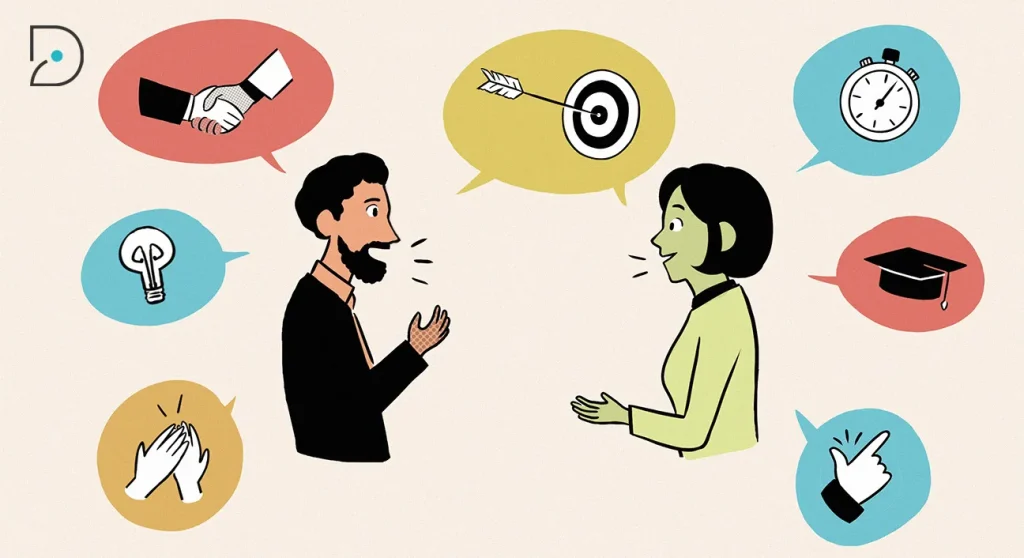
Why Getting Communication Right Matters — For Teams, Projects, and People
Improving how a team communicates isn’t just a “nice-to-have” — it can be a game-changer for performance, morale, and long-term success.
Higher productivity & clearer alignment. With transparent communication, everyone knows what’s expected, who’s responsible for what, and how tasks connect. That reduces redundant work, avoids misunderstandings, and speeds up progress.
Better collaboration and innovation. When people feel safe to speak up, share feedback, and express ideas — even critiques — teams can solve problems more creatively and adapt to change faster. Psychological safety and open communication foster a culture where innovation thrives.
Improved team cohesion, engagement, and trust. Transparent communication builds trust. When information flows openly and respectfully, every team member feels heard, included, and part of something bigger — boosting morale, commitment, and retention.
Fewer conflicts, more clarity. Clear communication norms, structured updates, and inclusivity reduce misunderstandings, prevent conflicts, and encourage accountability — vital for smooth teamwork and long-term project success.
In short — effective communication is not just about exchanging messages. It’s about building clarity, trust, accountability, and shared purpose.
How to Build a Strong Communication Culture: Strategies & Best Practices
Turning dysfunctional communication habits into healthy, efficient workflows demands intention, clarity, and consistent effort. Here are strategies that tend to work.
1. Define Clear Communication Norms & Protocols
Rather than letting communication happen ad-hoc, define when and how different channels should be used. For example:
Use email (or a dedicated channel) for formal communication or announcements.
Use messaging/chat for quick questions or informal checks.
Use video or voice calls for discussions that require nuance — decisions, brainstorming, conflict resolution.
Use shared project/task tools or dashboards to track progress, responsibilities, and deadlines.
By setting expectations up front, everyone knows where to look for what — reducing noise, duplication, and confusion.
2. Embrace Asynchronous Communication — When It Makes Sense
Especially for remote or distributed teams, asynchronous communication (shared docs, task boards, written updates) can be a powerful way to respect different schedules, time zones, and working rhythms. It also reduces pressure to respond immediately and leaves space for thoughtful contributions.
3. Encourage Regular, Inclusive Check-ins & Meetings
Schedule periodic team meetings — but also create space for informal check-ins, one-on-one conversations, and open feedback sessions. These help maintain alignment, surface concerns early, and strengthen relationships. Informal check-ins or social interactions (even virtual) can help team members feel connected beyond just tasks.
4. Cultivate Psychological Safety and Open Feedback
Encourage all team members — regardless of role — to voice ideas, questions, or concerns. Validate input, show respect, and respond constructively. When people trust that they’ll be heard — not judged — communication becomes more honest, inclusive, and effective.
5. Be Intentional About Non-Verbal Communication & Human Connection
Written communication is efficient but limited. Whenever possible — especially for complex topics or sensitive issues — use video or in-person meetings to capture tone, facial expressions, and body language. Also, incorporate informal human connection: celebrate small wins, share personal updates, and allow social interaction. This fosters empathy, trust, and team cohesion.
6. Translate Conversations into Actions — Use Structured Task Tracking
Don’t let decisions linger in chat threads or meeting notes. Assign clear responsibilities, set deadlines, and track progress transparently. This ensures that conversations lead to real work, avoids confusion, and holds people accountable.
7. Adapt to Individual Communication Styles & Preferences
Not everyone communicates the same way: some prefer writing their thoughts, others like talking things out; some want frequent updates, others get overwhelmed. Recognize these differences, ask for preferences, and adapt — this helps ensure everyone feels comfortable and respected.

Common Pitfalls — Things to Watch Out For
Even with best intentions, teams often fall back into counterproductive habits. Recognizing these pitfalls helps avoid them:
Overloading with too many tools and channels — more is not better if it creates noise and confusion.
Expecting instant replies all the time — ignoring focused work time and leading to burnout.
Relying solely on written communication for complex or sensitive topics — risking misinterpretation or misunderstanding.
Assuming one communication style fits all — alienating some team members.
Letting discussions remain just discussions — without concrete follow-up or accountability.
Neglecting social connection and trust building — undermining long-term collaboration and psychological safety.
Communication is Strategy — Not Just an Afterthought
Communication isn’t a secondary concern; it’s the backbone of effective teamwork. When approached as a strategic part of how a team works — not just a byproduct of tools or schedules — communication can enable clarity, alignment, creativity, and trust.
By defining clear norms, balancing asynchronous and synchronous interactions, valuing human connection and feedback, and ensuring conversations turn into action, teams can overcome fragmentation, avoid overload, and build a collaborative, resilient culture.
Investing effort into communication isn’t a “soft” advantage — it’s a competitive edge. Because in the end, teams don’t just share tasks or tools; they share understanding, purpose, and momentum. And that’s where real power lies.
Read More: Ritual Reset: Why, When & How to Refresh Habits That No Longer Serve You