Managing a project successfully goes far beyond defining tasks and deadlines — financial oversight and cost control are equally critical. A project budget is the backbone of that financial oversight: it ensures you know how much resources cost, where funds are allocated, and how to track expenditures against plans. Without proper budget management, even the most well-designed project plan can run into delays, overspendings, or resource mis-allocations.
In today’s fast-paced business environment — whether you run a small agency, a freelancing team, or a growing enterprise — having all project elements in disparate tools (spreadsheets, chat apps, invoicing tools, time trackers) adds friction, increases risk, and complicates budget control. That’s why many organizations are turning to unified platforms that bring together planning, execution, finance, and team coordination under one roof. A properly integrated system not only reduces overhead and human error but also provides real-time insights into cost, progress and profitability.
What Is a Project Budget — and Why It Matters
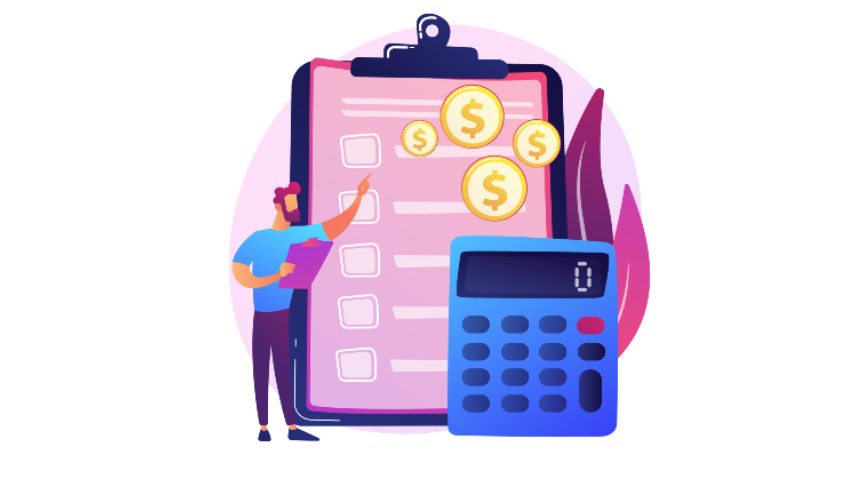
A project budget is a financial plan outlining all the costs associated with every activity required to deliver a project. It’s not just a lump-sum number (e.g. “$20,000”) — it’s a comprehensive breakdown of how every dollar will be spent, and why. A robust project budget covers:
All resource costs — labor, materials, equipment, licenses, overheads, third-party services, travel or hospitality, training, etc.
Allocation of resources by deliverable or task — so you can clearly see what funds are assigned to each deliverable, milestone or subtask.
Timing of expenses — a timeline that maps when those costs will be incurred, so the expenditures align with project phases and deliverables.
Why does this matter? Because a well-crafted budget becomes more than numbers — it becomes a tool for control, transparency, and forecasting. With a good budget you can:
Control scope by linking money to specific deliverables. If the scope shifts, you see how that impacts cost.
Track costs and avoid overruns — catch spending spikes early before they jeopardize the project’s viability.
Monitor progress — if a deliverable hasn’t had its associated cost spent, you know it’s probably not completed.
Improve future planning — by comparing estimates to actuals, you gather insights that help you build more accurate budgets next time.
The project budget isn’t just a financial guideline — it’s a project compass, scope guard, and performance measuring stick all in one.
Seven Fundamental Steps to Build and Manage a Project Budget
Here’s a step-by-step process to build a project budget from scratch, and keep it under control throughout the project life-cycle.
1. Start with a detailed project outline (project plan)
Begin by mapping out the full scope of the project — all deliverables, milestones, tasks and subtasks. Without this structure, you won’t know what to budget for.
Work with your project team and stakeholders to define the end goals and every intermediate deliverable carefully. This breakdown ensures you don’t miss hidden tasks (e.g. approval processes, QA, minor deliverables, administrative overhead).
2. List all required resources per task
For each task or subtask identified, map out every resource needed. Common categories include: internal staff or freelancers and their estimated hours; equipment or software licenses; training costs; materials; external consultants; travel, hospitality, or logistics; research or data purchases.
This level of granularity makes your budget realistic rather than a rough guess — it helps you think through the actual requirements rather than relying on broad assumptions.
3. Estimate costs for each resource and compute total cost
Once you list out resources, assign cost estimates: hourly or daily rates for labor, unit costs for materials or equipment, subscription fees, travel estimates, etc. Aggregating all these gives you the total estimated cost of your project.
When doing this, it’s wise to be conservative — overestimating a bit is safer than underestimating and risking cost overrun later.
4. Add a contingency reserve — expect the unexpected
No matter how well you plan, unexpected costs happen: delays, extra work, price hikes, emergency purchases, or scope changes. That’s why a budget should include a contingency fund — a “just in case” reserve. Typical best practices suggest reserving around 5–10% of the total budget for contingency.
This provides financial flexibility and reduces risk: if everything goes smoothly, you may never touch this fund — but if something goes sideways, you have a buffer.
5. Aggregate estimates into a budget baseline
Once you have all estimates + contingency, roll them up into a budget baseline — the authorized amount that defines how much the project is allowed to spend. This baseline becomes the reference point for tracking actuals and for approving any budget changes.
It’s best to make this baseline explicit in writing (or digitally) — so expectations are clear for all team members and stakeholders.
6. Get the budget approved by stakeholders / clients
Before you proceed, present the budget to clients, sponsors or decision-makers. Lay out what you’ll spend, why, and what deliverables they’ll get for that cost. Also explain the contingency — and clearly state that any funding reduction may need a corresponding scope reduction or renegotiation.
Transparent communication at this stage builds trust, avoids misunderstandings later, and makes the approval process smoother.
7. Monitor expenditures and adjust as needed (track & control)
Once the project is underway, your job isn’t finished — in fact, it’s just beginning. Regularly (weekly, bi-weekly or monthly depending on project size) compare actual spending against your budget baseline. Log expenses, update forecasts, and check for variances.
If differences emerge (e.g. you’re spending faster than planned, or resource usage has changed), analyze why. Maybe some tasks took longer, prices changed, or additional resources were needed. Then discuss possible corrective actions: reallocate funds, adjust scope, reassign resources, or request additional budget — but always proactively and transparently.
Common Mistakes & Challenges — and How to Avoid Them
Managing project budgets isn’t foolproof. Here are frequent pitfalls — and strategies to avoid them:
Underestimating costs — If you skip listing some resources (e.g. licenses, overhead, training), your budget will be unrealistic. Solution: break down every task, and list every resource, no matter how minor.
Ignoring contingency — Surprises happen. Without a contingency buffer, any hiccup can derail your project. Always build in a contingency reserve.
Lack of regular tracking — A budget left untouched becomes irrelevant. You need frequent check-ins to catch variances sooner rather than later.
Scope creep — Projects can evolve. If the scope changes, but the budget stays the same, you end up overspending or delivering incomplete work. Tie scope, deliverables, and budget tightly together — and revisit the budget if scope changes.
Poor communication with stakeholders — Surprises in budget or scope often come from misaligned expectations. Transparent, regular updates and clarity about trade-offs help avoid conflict.
Not re-baselining after approved changes — If stakeholders approve changes (e.g. extra features, extended timeline), you must update the baseline. Otherwise, tracking becomes meaningless.
Additional Budgeting Methods & When to Use Them
Depending on the project type and environment, you might choose different budgeting approaches besides a simple fixed-cost baseline. Some alternatives:
Fixed Budget: You assign a fixed sum for the entire project. It’s simple and works when scope is well-defined and unlikely to change. But if things shift, it becomes rigid and can cause problems.
Flexible Budget: This adapts with project activity or scope changes — costs can fluctuate based on actual resource usage. Useful when the project is dynamic or uncertain.
Rolling Budget: For long-term or extended projects, a rolling budget updates forecasts regularly (monthly, quarterly). This helps maintain relevance over time despite changing circumstances.
Zero-Based Budgeting (ZBB): Instead of rolling over previous budgets, you build from zero each phase — every cost must be justified. This enhances cost awareness and avoids unnecessary expenses, but is time-consuming.
Choosing the right method depends on project complexity, predictability of scope, flexibility requirements, and how much uncertainty you expect.
Best Practices to Strengthen Your Budget Management
Beyond the basic steps and methods, embracing some best practices will help make your budgeting robust, realistic, and adaptable:
Engage experts and stakeholders early — Get input from team members, past project leads, financial officers or subject-matter experts. Their experience helps make estimates more accurate.
Document assumptions and dependencies — For instance: price of materials, supplier availability, labor rates, delivery timelines. If something shifts, you’ll know what assumption drove the original plan. This helps explain variances and guide decisions.
Use budgeting/tracking tools or templates — Whether spreadsheets or specialized tools, using structured templates reduces manual error, improves transparency, and supports collaboration if team members are remote or distributed.
Assign clear ownership — Designate one (or a few) person(s) responsible for budget tracking and updates. That way you avoid confusion about who’s in charge of cost control.
Set cost thresholds & trigger points — For project phases or resource categories, define when spending is too high and action must be taken. This prevents runaway costs before they threaten the project.
Regularly re-forecast and re-baseline if needed — As real data comes in, update your forecasts and, if stakeholders approve changes, update the authorized baseline — keep the budget living and aligned with reality.
How a Good Budget Helps Project Success — and What It Avoids
When done well, project budgeting becomes a powerful management ally, not just a financial exercise. Here’s what a good budget enables — and what it helps you avoid:
What it enables
Clear alignment between goals, deliverables and resources — everyone knows what’s expected and what resources are available.
Real-time cost visibility and control — you can quickly spot overruns or under-utilized budgets.
Better decision making — if costs are rising or scope is shifting, budget data helps you decide: adjust scope, reallocate resources, or request more funding.
Improved forecasting and learning — comparing budgets to actuals helps you refine estimates, improve future budgets, and learn from past mistakes.
What it helps you avoid
Cost overruns and funding shortfalls.
Scope creep without additional funding (or deliverables slipping under budget pressure).
Financial surprises near project end — because expenses are tracked throughout, not just at closure.
Conflicts or miscommunication with stakeholders — transparent budgets and updates build trust, clarify expectations, and reduce surprises.
Realistic Expectations — Budgeting Is a Living Process, Not a One-Time Task
One of the most important mindsets you must adopt: budgeting isn’t a one-and-done activity.
Because projects are dynamic — scope changes, resource availability shifts, unforeseen events occur — a budget must evolve. Real-time monitoring, frequent check-ins, re-forecasting, and re-baselining (with stakeholder agreement) are all part of effective budget management.
Treat the budget as a living document — something you refer to, update, and adjust as the project progresses — not as a dusty spreadsheet you forget about after kick-off.
Simplify Project Budget Management With Corexta
If you’re looking for a tool that streamlines project management and budget tracking — from initial estimates to final invoicing — Corexta offers a comprehensive solution designed for agencies, small-to-medium businesses, and service teams.
Unified Platform for Projects + Finance + Client & HR
All-in-one hub: Corexta merges project planning, task management, client management, HR, invoicing, expense tracking — and more — in one platform.
From start to finish: Whether you’re drafting proposals or estimates, planning tasks, managing time, or sending invoices, everything lives in the same system. This eliminates the need to juggle multiple disjointed tools and spreadsheets.
Real-Time Budgeting, Expense & Earnings Tracking
Budget management features: Corexta lets you set budget limits, allocate costs to projects, and monitor spending in real time.
Expense & time tracking: You can log expenses (e.g. materials, travel, vendor costs) and track time spent on each task — enabling accurate cost allocations and facilitating precise billing or payroll.
Live dashboards & reporting: Built-in analytics and reporting tools help you keep an eye on cost performance, identify overruns early, and spot inefficiencies — aiding data-driven decision-making.
Planning, Forecasting & Resource Optimization
Project Roadmaps & Gantt Charts: Corexta enables you to build project roadmaps and visualize task dependencies and timelines—helping you forecast when expenses will occur and plan cash flow accordingly.
Resource allocation & workload management: Through resource-leveling features, the platform helps assign tasks based on team capacity, track workload, and prevent over- or under-utilization — which indirectly contributes to cost control by optimizing labor use.
End-to-End Financial Workflow — From Estimates to Invoices
Client & contract management + billing: Corexta supports clients, leads, proposals, contracts (with e-signatures), estimates, and invoices — helping you link budgeted costs directly to client deliverables and ensure revenue matches cost projections.
Scalable & customizable: Whether you are a small team or a growing agency, Corexta adapts — with configurable roles, permissions, and flexible plans — making it easier to maintain budget discipline as you scale.
Mitigating Common Budget Pitfalls
By bringing all aspects of project execution and finance into a single platform, Corexta helps avoid frequent budgeting problems:
Hidden or forgotten costs — since all expenses and time logs are captured in one place.
Scope creep without financial insight — because changes to tasks, resources or deliverables can be tied to updated cost allocations.
Delay in invoicing or billing inconsistencies — made less likely by integrated invoicing, time-tracking and expense reporting.
Lack of transparency — dashboards and reports grant stakeholders clarity on costs, earnings, and project health.
Get started with Corexta today!
Building a Budget That Works
Effective project budget management is more than crunching numbers — it’s about planning, communication, transparency, and ongoing control.
Start by breaking down the project into detailed deliverables and tasks, identify and estimate every resource required, build in a contingency buffer, and aggregate a clear baseline. Then — before execution — get stakeholder buy-in. After initiation, track actual costs regularly, compare them with estimates, analyze variances, and take corrective actions or re-baseline when necessary.
When you follow this disciplined, structured approach — combined with collaboration, transparency, and frequent reviews — your project budget becomes a powerful tool: it keeps costs in check, supports decision-making, protects against risks, and helps deliver projects reliably.
Read More: How to Create Notes Using the Flow Method