Staying productive is not about working longer hours. It is about working smarter. Many people try to do more by pushing themselves harder. Over time, that leads to stress, fatigue, and burnout.
Real productivity feels different. You focus on the right tasks. You manage your time with purpose. You protect your energy instead of draining it. Small changes in how you plan, work, and rest can create big results.
The truth is simple. You do not need complicated systems to get more done. You need practical methods that fit your daily life. Some hacks help you focus better. Others help you decide what truly matters. A few will save hours every week by removing wasted effort.
In this guide, you will learn 20 powerful productivity hacks. Each one is easy to understand and simple to apply. Start small. Test what works for you. Build habits that help you succeed without feeling overwhelmed.
The Best Productivity Hacks [At a Glance]
Below is a quick overview of the most effective productivity hacks and what they help you achieve.
| Productivity Hack | What It Does | Best For |
|---|---|---|
| Time Blocking | Dedicate specific time slots to individual tasks | Deep focus work and reducing multitasking |
| Pomodoro Technique | Work in 25-minute bursts with short breaks | Maintaining focus and preventing burnout |
| Two Minute Rule | Complete any task taking under two minutes immediately | Clearing small tasks before they pile up |
| Eisenhower Matrix | Categorize tasks by urgency and importance | Prioritizing what to tackle first |
| 80/20 Rule (Pareto Principle) | Focus on the 20% of tasks driving 80% of results | Identifying high-impact work |
| Eat That Frog | Tackle your hardest task first thing | Building momentum and reducing procrastination |
| Task Batching | Group similar tasks and complete them together | Minimizing context switching |
| 1-3-5 Rule | Plan one big, three medium, and five small daily tasks | Balanced daily planning without overwhelm |
| Productivity Templates | Standardize recurring tasks with reusable formats | Saving time on repetitive work |
| Delegation | Assign tasks to others based on skills and availability | Reclaiming time for high-priority work |
| Automation | Set up systems to handle repetitive processes | Eliminating manual busywork |
| Time Audits | Track how you spend every minute | Identifying time wasters and inefficiencies |
| Environment Optimization | Redesign your workspace for focus | Breaking mental ruts and boosting mood |
| Ivy Lee Method | List six priorities the night before and tackle them in order | Simple daily structure and single-tasking |
| Brain Dumps | Get all your thoughts out of your head onto paper | Clearing mental clutter and capturing ideas |
| Saying No | Decline tasks that don’t align with your goals | Protecting focus time for what matters |
| Scheduled Breaks | Build rest periods into your calendar | Preventing burnout and restoring energy |
| SMART Goals | Set specific, measurable, achievable, relevant, time-bound objectives | Long-term direction and accountability |
| Weekly Reflection | Review progress and adjust your approach | Continuous improvement and course correction |
| Reminders | Set alerts for deadlines and important tasks | Avoiding missed deadlines and overlooked details |
These hacks work best when used with intention. You do not need all 20 at once. Choose the ones that solve your biggest challenge right now. Add more as you grow.
Common Productivity Hacks

Hack 1: Practice Time Blocking
Time blocking means assigning specific time slots to specific tasks. Instead of working from a long to-do list, you work from your calendar. Each block has a clear purpose. For example, you might block 9:00–10:30 AM for deep work and 2:00–3:00 PM for meetings.
This method reduces decision fatigue. You no longer waste time asking, “What should I do next?” Your calendar already tells you. It also protects focus time. When you treat your tasks like appointments, you are less likely to let distractions take over.
Start by listing your most important tasks for the day or week. Then estimate how long each one will take. Add them to your calendar with realistic time frames. Leave buffer time between blocks to handle small delays. Over time, you will become better at estimating how long work truly takes.
Hack 2: Try the Pomodoro Technique
The Pomodoro Technique uses short, focused work sessions followed by short breaks. A common structure is 25 minutes of focused work, then a 5-minute break. After four sessions, you take a longer break of 15–30 minutes.
Short sprints improve focus because they create urgency. You commit to working with full attention for a limited time. The built-in breaks also protect your energy. Instead of pushing until exhaustion, you rest regularly.
Choose one task before starting your timer. Avoid checking messages during the session. When the timer ends, step away from your screen. Stretch, walk, or drink water. These small breaks reduce mental fatigue and help you stay productive for longer periods.
Hack 3: Get Minor Tasks Out of the Way Using the Two-Minute Rule
The two-minute rule is simple. If a task takes less than two minutes, do it immediately. Reply to a quick email. File a document. Confirm a meeting.
Small tasks may seem harmless. Yet when they pile up, they create mental clutter. You keep thinking about them, which reduces focus on bigger work. Handling them right away keeps your task list clean.
Use this rule carefully. It works best for truly small actions. If you spend all day reacting to minor tasks, you may ignore important work. Combine this method with time blocking to maintain balance.
Hack 4: Prioritize Tasks Using the Eisenhower Matrix
The Eisenhower Matrix helps you decide what deserves your attention. It divides tasks into four categories:
-
Urgent and important
-
Important but not urgent
-
Urgent but not important
-
Not urgent and not important
Tasks in the first group need immediate action. The second group includes long-term planning and growth activities. These are often the most valuable. The third group can often be delegated. The last group should be minimized or removed.
This method forces you to think before acting. Many people spend their days reacting to urgent tasks that are not truly important. The matrix helps you focus on what drives real progress.
Hack 5: Identify Critical Tasks Using the 80/20 Rule (Pareto Principle)
The 80/20 rule states that roughly 80% of results come from 20% of efforts. In work, this means a small number of tasks create most of your impact.
Review your goals. Ask yourself which activities bring the biggest return. These may include high-value clients, key projects, or strategic planning. Focus your best energy on these tasks.
This rule does not mean ignoring everything else. It means recognizing that not all tasks are equal. When time is limited, prioritize the few actions that truly move the needle.
Hack 6: Eat That Frog!
“Eat That Frog” means tackling your hardest or most important task first. This is the task you are most likely to delay. Completing it early builds momentum.
Your willpower is strongest in the morning. Use that energy for demanding work. Once the toughest task is done, the rest of the day feels easier.
Prepare the night before. Identify your “frog” and plan when you will complete it. Avoid checking messages first thing in the morning. Start with meaningful work instead of reactive tasks.
Hack 7: Batch Similar Tasks—and Get Them All Done Together
Task batching means grouping similar activities and completing them in one session. For example, answer emails at set times. Schedule meetings back-to-back. Create content in one focused block.
Switching between different types of tasks reduces efficiency. Each shift requires mental adjustment. Batching minimizes this context switching.
Look at your schedule. Identify tasks that repeat. Group them into dedicated time blocks. This approach improves flow and saves mental energy.
Hack 8: Take a Shot at the 1-3-5 Rule
The 1-3-5 rule creates a balanced daily plan. Each day, choose:
-
1 big task
-
3 medium tasks
-
5 small tasks
This structure prevents overload. Instead of listing 20 tasks, you focus on nine realistic goals. It encourages clarity and manageable progress.
Adjust the numbers if needed. The key idea is balance. Do not fill your day with only small tasks. Do not overload it with large ones. Mix them thoughtfully.
Hack 9: Use Templates for Repetitive Tasks
Templates save time on repeated work. Create standard formats for emails, reports, proposals, or meeting agendas. Instead of starting from scratch, you edit an existing structure.
This reduces decision fatigue and ensures consistency. Teams especially benefit from shared templates. Everyone follows the same format, which improves communication.
Review your weekly tasks. Identify recurring work. Design simple templates to handle them faster and with fewer errors.
Hack 10: Delegate Wisely
Delegation frees you to focus on high-value tasks. Assign work based on skills, strengths, and availability. Provide clear instructions and expected outcomes.
Many people hesitate to delegate. They fear losing control or believe it takes longer to explain than to do it themselves. In the short term, that may be true. In the long term, delegation builds capacity and efficiency.
Trust your team. Offer support when needed. Evaluate results and adjust responsibilities over time.
Hack 11: Automate Everything You Can!
Automation reduces manual work. Use tools to schedule emails, generate reports, assign recurring tasks, or send reminders automatically.
Small automated systems save hours each week. They also reduce human error. For example, automatic billing systems prevent missed invoices.
Start small. Identify repetitive processes. Explore tools that handle these tasks without constant supervision. Automation creates space for strategic thinking.
Hack 12: Conduct Time Audits
A time audit tracks how you spend your day. For one week, record activities in detail. Include meetings, emails, breaks, and distractions.
Many people underestimate how much time they spend on low-value tasks. A time audit reveals patterns. You may notice excessive meeting time or frequent interruptions.
Once you see the data, adjust your schedule. Reduce unnecessary activities. Protect time for focused work. Awareness leads to improvement.
Hack 13: Transform Your Environment
Your workspace affects your focus. A cluttered desk can create mental distraction. Poor lighting may reduce energy. Noise can break concentration.
Redesign your environment for productivity. Keep only essential items on your desk. Improve lighting. Use noise-canceling tools if needed. Add plants or personal touches that boost mood.
Even small changes can refresh your mindset. When your environment supports focus, work feels smoother and less stressful.
Hack 14: Adopt the Ivy Lee Method
The Ivy Lee method is simple. At the end of each day, write down six tasks for tomorrow. Rank them by importance. The next day, start with the first task and complete it before moving on.
This method encourages single-tasking. You focus on one priority at a time. It also reduces morning decision stress because your plan is ready.
Keep the list limited to six tasks. This forces you to prioritize carefully. Over time, this discipline improves clarity and execution.
Hack 15: Use a Digital Notepad for Brain Dumps
A brain dump clears mental clutter. Write down every idea, task, and worry in your mind. Do not organize it at first. Just capture everything.
Digital tools make this easy. You can quickly record notes on your phone or computer. Once your thoughts are captured, review and organize them.
This practice reduces anxiety. When ideas stay in your head, they compete for attention. Writing them down frees mental space and improves focus.
Hack 16: Say ‘No’ More Often
Saying yes to everything leads to overload. Protect your time by declining tasks that do not align with your goals.
Evaluate each request. Does it support your priorities? Do you have the capacity to complete it well? If not, decline politely.
Clear boundaries improve productivity. When you focus on fewer commitments, you deliver higher-quality results.
Hack 17: Schedule Breaks
Breaks are not a waste of time. They restore energy and prevent burnout. Long hours without rest reduce performance.
Schedule short breaks throughout the day. Step away from screens. Move your body. Take deep breaths.
Long-term productivity depends on energy management. Consistent rest keeps your mind sharp and your motivation steady.
Hack 18: Set SMART Goals
SMART goals are:
-
Specific
-
Measurable
-
Achievable
-
Relevant
-
Time-bound
Clear goals guide daily action. Instead of saying, “Improve sales,” set a goal like, “Increase sales by 10% in three months.”
Defined targets improve accountability. You know exactly what you are working toward and how to measure progress.
Hack 19: Reflect and Adjust
Weekly reflection strengthens growth. Review what worked and what did not. Analyze completed tasks and missed deadlines.
Ask simple questions. What slowed you down? What helped you succeed? What should you change next week?
Continuous adjustment prevents stagnation. Productivity is not static. It evolves as your responsibilities change.
Hack 20: Use Reminders
Reminders prevent important tasks from slipping through the cracks. Set alerts for deadlines, meetings, and follow-ups.
Digital calendars and task apps make this easy. You can schedule notifications in advance. This reduces reliance on memory.
Reliable reminder systems reduce stress. You trust that your tools will prompt you at the right time. As a result, you can focus fully on your current task.
Digital Tools and Apps for Productivity

Digital tools play a major role in modern productivity. Work no longer lives in one notebook or one office. Tasks, messages, files, and deadlines move across devices and teams. Without the right system, things slip through the cracks.
The goal of productivity tools is not to add more apps to your day. The goal is to create clarity. A strong system helps you plan tasks, manage time, track progress, and collaborate without confusion.
Today’s productivity platforms combine task management, goal tracking, automation, and communication in one space. Instead of switching between multiple tools, you can centralize your workflow. This reduces context switching and saves mental energy.
However, tools only work when they support your habits. A complicated system can slow you down. A simple and flexible platform can help you move faster and stay organized.
When Choosing Productivity Tools, Look For:
1. Task and Project Management Features
Choose tools that allow you to create tasks, set deadlines, assign responsibilities, and track progress. Clear task visibility reduces misunderstandings. You should be able to see what is pending, in progress, or completed at a glance.
2. Customizable Workflows
Every team works differently. A good productivity tool allows you to customize views, boards, lists, and statuses. Flexibility ensures the system adapts to your workflow, not the other way around.
3. Time Tracking and Reporting
Time tracking features help you understand how long tasks actually take. Built-in reports make it easier to measure productivity and identify bottlenecks. This supports smarter planning and better resource allocation.
4. Automation Capabilities
Modern productivity tools offer automation for recurring tasks, notifications, and status updates. Automation reduces manual work and prevents missed steps. For example, you can automatically assign tasks when a project moves to a new stage.
5. Collaboration Tools
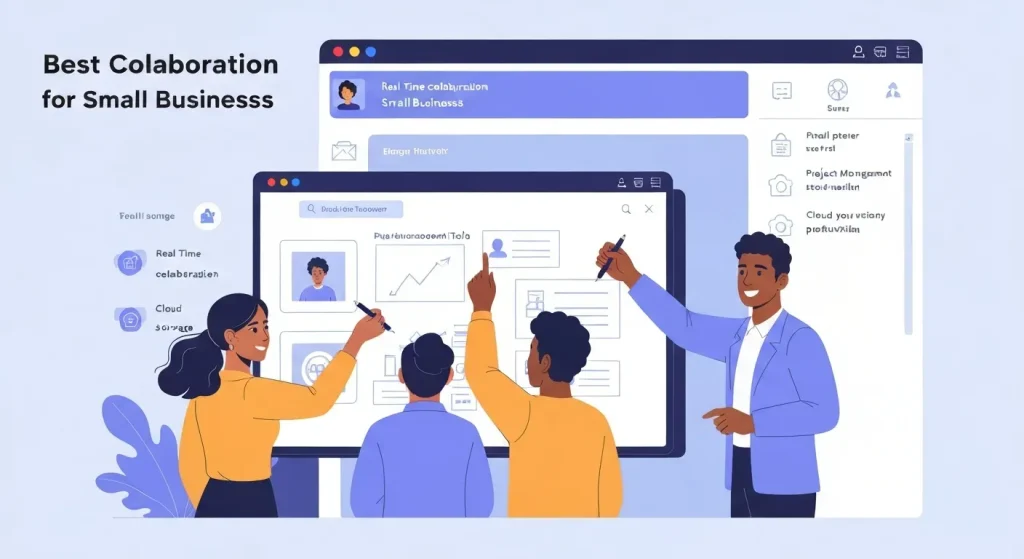
Look for features like shared workspaces, comments, file attachments, and real-time updates. These reduce long email chains and scattered communication. Collaboration becomes smoother when everything lives in one place.
6. Integration with Other Apps
Your productivity tool should connect with calendars, communication apps, and storage platforms. Seamless integration keeps your workflow connected and reduces duplication.
7. User-Friendly Interface
Even powerful tools fail if they are hard to use. Choose a platform with a clean interface and intuitive navigation. Simplicity increases adoption and long-term success.
8. Goal and Performance Tracking
A strong productivity system links daily tasks to bigger goals. Look for tools that help you set measurable objectives and track progress over time. This keeps your work aligned with long-term priorities.
When your tool checks these boxes, it becomes more than a task manager. It becomes your productivity foundation.
Why Corexta Works as Your Productivity Hub
Corexta stands out because it combines structure with flexibility. Instead of forcing you into rigid workflows, it adapts to your style of work.
First, Corexta centralizes task management. You can create projects, break them into tasks, and assign responsibilities clearly. Deadlines, priorities, and status updates stay visible at all times. This reduces confusion and improves accountability.
Second, it supports multiple work views. Whether you prefer list views, boards, or timeline formats, you can organize your projects in a way that makes sense to you. This flexibility allows individuals and teams to work comfortably.
Corexta also includes automation features. You can automate recurring tasks, reminders, and status changes. This reduces repetitive manual actions and frees up time for strategic work.
Another strength is collaboration. Team members can comment directly on tasks, attach files, and track updates in real time. Instead of searching through email threads, all communication stays connected to the relevant work item.
Time tracking tools within Corexta help monitor productivity. You can see how long tasks take and adjust plans accordingly. This supports smarter scheduling and more accurate forecasting.
Finally, Corexta connects daily tasks with larger goals. You can align projects with measurable objectives. This ensures that your team is not just busy, but moving in the right direction.
As a productivity hub, Corexta brings planning, execution, tracking, and collaboration into one structured environment.
Tips for Sustained Productivity
Productivity is not about short bursts of intense effort. It is about consistent performance over time. Many people start strong and then lose momentum. Sustained productivity requires habits, boundaries, and reflection.
1. Building Productive Habits
Habits shape daily behavior. Instead of relying on motivation, focus on routine. Small daily actions create long-term results.
Start by identifying one or two habits that support your productivity. This could be planning your day every morning or reviewing tasks before ending work. Keep the habit simple and realistic.
Consistency matters more than intensity. A 10-minute daily planning session is more powerful than a once-a-week marathon session. Over time, these small actions become automatic.
Use triggers to reinforce habits. For example, plan your day immediately after opening your laptop. Review your tasks right before shutting down. Linking habits to existing routines increases success.
Track your habits weekly. If you miss a day, adjust and continue. Avoid perfectionism. The goal is progress, not flawless execution.
2. Managing Distractions
Distractions are one of the biggest productivity killers. Notifications, emails, and social media interrupt deep focus. Each interruption forces your brain to switch context.
Start by identifying your main distractions. Are they digital notifications? Frequent meetings? Unclear priorities?
Silence non-essential notifications during focus blocks. Schedule specific times for checking email instead of responding instantly. Use full-screen mode or website blockers when working on complex tasks.
For teams, reduce unnecessary meetings. Replace some meetings with clear written updates. When meetings are required, keep them structured and time-bound.
Create a distraction-free workspace. Keep your desk organized. Use headphones if noise is an issue. Even small adjustments can improve concentration.
Managing distractions does not mean isolating yourself. It means protecting focused time intentionally.
3. Setting Realistic Goals
Unrealistic goals lead to stress and burnout. Sustainable productivity depends on balanced expectations.
Break large goals into smaller milestones. Instead of focusing on a massive project, focus on the next actionable step. Clear milestones build confidence and momentum.
Use data from time audits and past projects to estimate timelines accurately. If a task usually takes three hours, do not allocate one hour.
Consider your energy levels when planning. Schedule demanding work during peak energy periods. Leave lighter tasks for slower parts of the day.
Review your workload weekly. If you consistently fail to complete planned tasks, reduce your commitments. Quality matters more than quantity.
Realistic planning creates steady progress without exhaustion.
4. Tracking Progress and Adjusting Strategies
Tracking progress keeps you accountable. It also helps you identify what works and what does not.
Use dashboards or reports within your productivity tool to monitor task completion, deadlines, and time usage. Visual progress increases motivation.
Conduct weekly reviews. Look at completed tasks and unfinished items. Analyze patterns. Did unexpected meetings interrupt your schedule? Were priorities unclear?
Adjust your strategy based on findings. If time blocking feels too rigid, modify block lengths. If multitasking reduces quality, switch to single-tasking methods.
Productivity systems should evolve. Regular adjustments prevent stagnation and improve efficiency over time.
Staying Productive Consistently with Corexta
Consistency comes from structure. Corexta supports consistent productivity by providing a clear framework for planning and execution.
Start by organizing your projects inside Corexta. Break large objectives into manageable tasks. Assign deadlines and priorities. This creates clarity from the beginning.
Use recurring task features for routine activities. Daily check-ins, weekly reviews, and monthly reports can be scheduled automatically. This ensures that important habits do not get skipped.
Leverage automation to reduce manual follow-ups. For example, set automatic reminders before deadlines. Create workflows that move tasks to the next stage when conditions are met. Automation reduces cognitive load.
Take advantage of dashboards to track progress in real time. Visual insights help you spot delays early and adjust plans quickly.
Encourage team transparency. When everyone updates task statuses regularly, collaboration improves. Clear visibility reduces misunderstandings and duplicated effort.
Finally, use Corexta to connect daily work with long-term goals. Align projects with measurable outcomes. Review progress weekly. Adjust strategies when needed.
Productivity is not about doing more every day. It is about doing the right things consistently. With structured planning, smart automation, and regular reflection, you can build a system that supports high performance without burnout. Sign up for Corexta and turn your daily grind into a more focused, sustainable, and productive workflow.
Frequently Asked Questions
How many productivity hacks should I use at once?
You do not need to use all 20 productivity hacks at the same time. In fact, trying too many at once can feel overwhelming. Productivity improves when you focus on small, consistent changes.
Start with one or two hacks that solve your biggest challenge. If you struggle with focus, try time blocking or the Pomodoro Technique. If you feel overwhelmed by tasks, begin with the Eisenhower Matrix or the 1-3-5 rule.
Give each method at least one or two weeks. Track how it affects your workflow and energy. Once a habit feels natural, you can layer in another strategy.
The goal is not to build a complicated system. The goal is to create a simple structure that supports your work without adding stress.
Which productivity hacks are best if I manage a team?
If you manage a team, clarity and alignment matter most. Hacks that improve prioritization, delegation, and visibility are especially useful.
The Eisenhower Matrix helps leaders focus on high-impact work. Delegation ensures the right tasks go to the right people. Automation reduces repetitive follow-ups and manual updates.
Task batching and time blocking also help managers protect focus time. Without boundaries, leaders often spend the entire day reacting to messages and meetings.
Weekly reflection is another powerful tool for teams. Regular reviews help identify bottlenecks and improve workflows. Combined with a shared productivity platform, these methods create transparency and accountability.
What if a productivity hack stops working?
Productivity methods are not permanent solutions. As your responsibilities change, your system may need adjustment.
If a hack stops working, pause and reflect. Has your workload increased? Are your priorities different? Are distractions higher than before?
Sometimes small tweaks help. For example, you may shorten your time blocks or adjust your daily task limit. In other cases, you may need a new approach altogether.
Flexibility is key. Productivity is not about following rigid rules. It is about building a system that adapts to your goals and environment.
Are productivity hacks just for work?
Productivity hacks apply to more than professional tasks. You can use them in personal life, school, or creative projects.
Time blocking works for exercise and family time. The two-minute rule helps manage household tasks. SMART goals support fitness or financial planning. Weekly reflection improves personal growth.
These methods are tools for managing time and energy. They are not limited to office work. When applied consistently, they can improve balance across all areas of life.
Do I need a specific app to use these hacks?
You do not need a specific app to apply most productivity hacks. Many methods work with a notebook and calendar.
However, digital tools can make implementation easier. Task managers, calendars, and automation features simplify tracking and organization. They also reduce the risk of missed deadlines.
The most important factor is consistency. Choose tools that feel simple and intuitive. Whether you use paper, digital apps, or a full productivity platform, success depends on how regularly you apply the system.
A well-chosen tool supports your habits. It should reduce friction, not create it.
Read More: How Agencies Can Integrate Project Management and Creative Tools