Sunday night has an odd dual identity: it feels like it should be the restful cap to your weekend, yet for many it becomes the moment when anxiety begins to bubble up. You’re thinking: the weekend is almost over, Monday is just hours away — and with it comes returning to tasks, commitments, routines, perhaps stress.
That uneasy anticipation is what people commonly refer to as the “Sunday Scaries” — the pre-workweek jitters that undermine what should be one of the most relaxed evenings of the week.
This feeling stems partly from how we treat weekends and weekdays: if we allow Saturdays and Sundays to become loaded with both rest and high productivity expectations, the weight of “what’s next” creeps in.
If you feel the tension rising on Sunday evenings, you’re not alone — and thankfully, there are ways to shift what Sunday means so you head into Monday with more ease than dread.
Why It Happens: The Core Triggers
Before diving into the remedy steps, it helps to unpack why this happens:
Transition anxiety – The shift from weekend freedom to weekday structure can be jarring. If your mind starts anticipating Monday tasks or obligations, your Sunday peace gets hijacked.
Overloaded weekend expectations – Many of us treat the weekend as a catch-all: “I’ll rest, I’ll socialise, I’ll plan, I’ll prep for the week.” The pressure builds, and by Sunday night you’re mentally behind.
Lack of closure for the week past – If you didn’t take the time to reflect on the past week, loose ends or unresolved thoughts linger into the weekend and especially into Sunday night.
Insufficient look-ahead planning – Without a small plan for Monday (or the upcoming week), your brain fills the gap with “what ifs,” causing anxiety.
Insufficient enjoyment during the week – If fun, breaks or non-work-related activities are reserved only for the weekend, the Monday return becomes more stark, and the Sunday night dread rises.
Understanding these triggers is empowering — because they point to actionable remedies: reflection, planning, injecting fun, learning, and purpose.
Five-Step Guide to Overcome the Sunday Scaries

Here’s a structured five-step approach to help you break the cycle and feel more peaceful on Sunday evenings.
Step 1: Reflect on the Current Week
Start by looking back. Reflection is not just a self-help buzzword — it’s a powerful tool to bring clarity and emotional closure to your week. Ask yourself questions like:
What happened this week that surprised me — positively or negatively?
Which tasks or meetings took much more time than I expected?
What mental clutter or stressors accumulated this week that I can remove or address?
What stumbling blocks occurred that might affect next week?
How can I set myself up for a better start next week?
Taking even 15-30 minutes to reflect helps you release the past week, identify patterns, and avoid carrying forward unconscious baggage. By doing this before Sunday night, you’re mentally clearing out the week and giving yourself a clean start.
Step 2: Write a Daily Goal for Each Workday
Rather than waiting until Monday morning to face a nebulous “work week,” give yourself a concrete daily goal for each workday in the upcoming week. But note: these goals should be easy but meaningful — not trivial, but not so heavy they feel burdensome. For example, “By midday Tuesday I’ll have drafted the outline of the project brief,” or “Thursday I’ll schedule that meeting with the team and send the agenda.”
Why this helps:
It turns the week from a vague stretch of time into manageable chunks.
It gives you a sense of control and direction.
It reduces the unknowns, which fuel the Sunday night worry.
Much of the anxiety comes from feeling like you don’t know what’s coming. Writing out daily goals anchors your week in purpose.
It’s worth noting: these goals don’t have to be massive or dramatic — consistency and clarity matter more than scale.
Step 3: Schedule Fun Activities Throughout the Week
Here’s a critical insight: the weekend shouldn’t be the only time for fun, relaxation or personal enrichment. If Monday through Friday become non-stop “work mode,” and only Saturday/Sunday are for “me time,” the contrast becomes too extreme — and that imbalance feeds the Sunday Scaries.
Instead, deliberately schedule enjoyable or non-work-related activities during the week. Some ideas:
A mid-week social outing (coffee with a friend, a local event).
A game night, or creative class (drawing, cooking, dance).
Even just a leisurely stroll or a visit to a nearby park or neighbourhood you like.
By sprinkling enjoyment through the workweek, you reduce the pent-up tension that builds until Sunday. You’re also not banking all happiness on the weekend alone — which means Sunday night doesn’t feel like “all the fun is gone” and Monday is looming.
Aim for something you genuinely look forward to: not a chore or added workload disguised as “fun.”
Step 4: Block at Least 30 Minutes Each Day for Learning
Growth and curiosity are powerful antidotes to routine and monotony — and the dread that comes when you feel stuck. So block some time every day in the upcoming week — even just 30 minutes — for learning or exploring something new.
Maybe you:
Listen to a podcast or audiobook on a topic of interest.
Read an article (or two) in your field or a new field.
Watch a short tutorial or video to expand your skills.
Pick up a mini-challenge or side project (for example: “This week I’ll research one thing about X”).
This time isn’t about “getting ahead at work” per se, but about personal development, intellectual curiosity, and investing in you.
Why this helps with Sunday night: when you know you’re not just going through the motions but actively growing, the week ahead feels less like “just going back to the grind” and more like part of a meaningful journey.
Step 5: Plan One Thing to Do Over the Weekend
Now that you’re covering reflection, weekly goal-setting, mid-week fun, and daily learning — what about the weekend itself? The weekend is your recharge zone, but it’s also a time when the Sunday Scaries often gain momentum because we start worrying about Monday creeping in.
So pick one thing you’ll do over the weekend that’s meaningful, not just restful. Maybe it’s a hike, a creative project, a visit with someone you haven’t seen, or something you’ve been “putting off.” The key is that it gives you something to look forward to — a positive anchor for your weekend.
Why this matters:
It helps you make the weekend distinct and satisfying, not just a buffer before Monday.
It prevents weekend fatigue: if you simply lounge and scroll all day, by Sunday you’re drained and anxious about returning.
It shifts the focus from “end of weekend” to “here’s something good I’m doing,” so Sunday night is less about dread and more about contentment.
With this kind of balance, you’re less likely to feel wrecked on Sunday night, and more likely to feel ready for Monday rather than waiting for it.
Putting It All Together: A Sample Weekly Plan
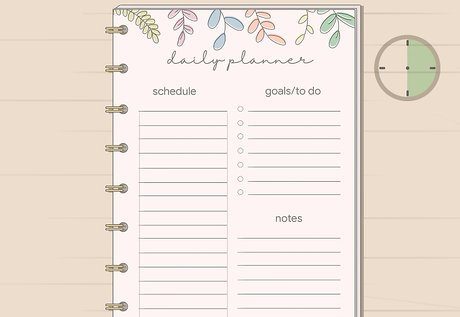
Let’s walk through how this might look in practice for someone aiming to tame their Sunday Scaries.
Friday afternoon: Intentional planning
At the end of your Friday workday (or right after your last meeting), take 15-20 minutes to do your reflection for Step 1 and draft your daily goals for next week (Step 2). Do this before you fully switch into weekend mode. That way, your brain isn’t ping-ponging between “work tasks not done” and “holiday mode.”
Finish off Friday with the sense that you’ve tied up loose ends and are ready to enjoy your weekend.
Monday
Daily goal: Draft the proposal outline for Project X.
Schedule: Morning focus work; after lunch, join a 30-minute online talk on design thinking (learning).
Fun: Evening walk with a friend (mid-week fun activity).
Tuesday
Daily goal: Send the outline to the team and get feedback.
Learning: Listen to a podcast on time-management while commuting.
Fun: Bring your camera and explore a neighbourhood after work (fun activity).
Wednesday
Daily goal: Incorporate feedback and refine the proposal.
Learning: Read an article on emerging industry trends.
Fun: Attend an open-mic night or creative class (fun activity).
Thursday
Daily goal: Finalize the proposal and schedule the team meeting for next week.
Learning: Watch a short tutorial on project-planning software.
Fun: Game night or relaxed dinner out (fun activity).
Friday
Daily goal: Send the final version of the proposal and set next-week check-in.
Learning: Reflect back on the week’s growth and questions.
Fun: Keep the evening free to transition into weekend mode.
Weekend
Plan one meaningful thing: For example, Saturday morning go for a substantial hike; Sunday afternoon meet a friend at a café you’ve been curious about.
And importantly: Sunday evening, check in with yourself — you’ve done the reflection, set the goals, scheduled fun and learning, and enjoyed the weekend. So instead of Sunday night dread, you feel grounded and ready for Monday.
Why This Approach Works
Reduces uncertainty: Setting daily goals and planning ahead addresses the “what’s coming” anxiety that fuels Sunday night.
Balances work and enjoyment: Scheduled fun during the week breaks the “only weekend is for fun” mindset, which intensifies dread when it ends.
Promotes growth mindset: Learning time injects meaning beyond just going through work tasks, making the week feel more purposeful.
Prevents mental backlog: Reflection helps clear the week’s residual thoughts so they don’t fester into Sunday night.
Improves weekend quality: Planning a meaningful weekend activity helps you genuinely recharge, so you approach Sunday evening in a better frame of mind.
Additional Tips & Considerations
Here are a few extra thoughts to enhance your efforts:
Be realistic with goals: Don’t over-load your daily goals. If you set too much and fail, you’ll build new stress. A simple, achievable goal is far better than an ambitious one that you abandon.
Be flexible: Life happens. If something comes up mid-week, adapt. The point isn’t rigid scheduling — it’s intentional direction.
Limit “doom-scrolling” Sunday night: Watching social media or news without intent often fuels anxiety. If you find Sunday night creeping into stress territory, consider switching to relaxing rituals instead (reading, meditation, music).
Create a Sunday evening ritual: For instance: 30 minutes of reflection, light planning for Monday (not work tasks, but “what’s on the agenda”), and then an activity that helps you unwind.
Include self-care: Sleep quality, hydration, movement — if your body is built up, your mind handles transitions better.
Use visual reminders: A wall calendar, journal, or digital note with your weekly plan makes the upcoming week feel less abstract.
Review and adjust: At the end of each week, reflect not just on what you did but how your Sunday evening felt. Over time, you’ll spot what helps your mindset shift.
The Bigger Picture: Reclaiming Sunday Evenings
The goal here isn’t just to survive Sunday night — it’s to reclaim Sundays. To turn them into a time you look forward to, rather than a time you dread. When you use the five-step framework above, Sunday evening becomes less about “oh no, Monday’s coming” and more about “I’ve done my reflection, I’m set up, I enjoyed my weekend, and I feel ready.”
When you can reach Monday with calm rather than dread, your workweek (and your quality of life) shifts. You’ll likely feel more focused, less anxious, and more in control — all because you gave yourself a few minutes of intentional planning and reflection.
Final Thoughts
Yes, the Sunday Scaries are real. But they are not inevitable. By applying the five-step guide — reflect on your week, set daily goals, schedule mid-week fun, block time for learning, and plan a meaningful weekend activity — you can shift the narrative.
Instead of Sundays being the dreaded “pre-Monday” moment, you turn them into the closing chapter of a balanced week: one where work, rest, fun and growth all have a place. And that changes everything: from how you feel on Sunday night to how you step into Monday morning.
If you adopt even three of these steps consistently, you’ll likely notice a difference. And with consistency, you’ll build a rhythm where Sunday evenings aren’t about apprehension — they’re about satisfaction, readiness and calm.
Read More: How to Track Time Spent on Tasks and Projects Efficiently