User-generated content (UGC) has completely changed how brands connect with audiences. Instead of relying only on polished ads or big-name influencers, companies now want real, relatable content that feels authentic and trustworthy. This shift has created massive opportunities for everyday creators to turn their creativity into income—without needing a huge following.
If you’ve ever wondered how people get paid to create short videos, product demos, or lifestyle content for brands, this guide is for you. Whether you’re looking for a side hustle or aiming to build a full-time creative business, becoming a UGC creator is one of the most accessible ways to get started in digital marketing today. In this guide, you’ll learn exactly what a UGC creator is, how the role works, and how you can begin your journey with confidence.
What Is a UGC Creator?
A UGC creator is someone who creates authentic, brand-focused content—such as videos, photos, or testimonials—for companies to use in their own marketing channels. Unlike influencers, UGC creators are paid for the content itself, not for posting it on their personal social media accounts or promoting it to followers.
Brands use UGC across platforms like Instagram, TikTok, Facebook, websites, landing pages, emails, and paid ads because it feels more genuine than traditional advertising. This content often looks like it was created by a real customer, which helps build trust and drive conversions.
UGC creators typically produce content such as:
Short-form videos (TikTok-style product demos, unboxings, or tutorials)
Lifestyle product photos
Voiceover or hands-only videos
Testimonials and reviews
“Problem–solution” or before-and-after content
The best part? You don’t need thousands of followers—or any at all—to be a successful UGC creator. Brands care more about your ability to create relatable, high-quality content that aligns with their audience and messaging. As long as you can tell a compelling story on camera (or behind it), you can get paid for your creativity.
UGC Creators vs. Influencers
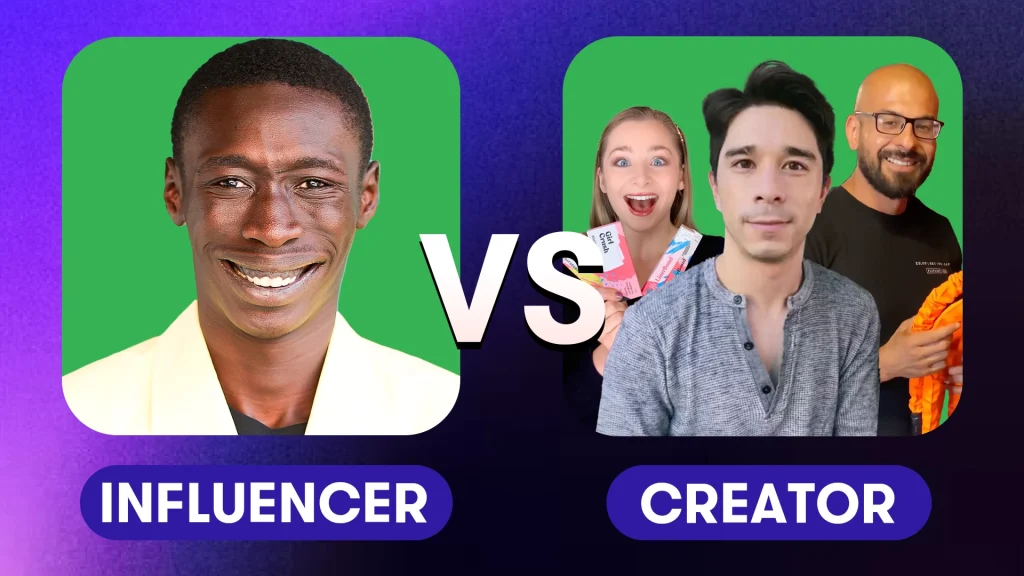
UGC creators and influencers are often confused, but they play very different roles in a brand’s marketing strategy. Understanding this difference is essential if you’re deciding which path fits your goals—or if you want to position yourself correctly when pitching brands.
UGC creators are hired to create content for brands. Their job is to produce authentic-looking videos, photos, or testimonials that brands can repurpose across their own channels, websites, and paid ad campaigns. The value lies in the quality and relatability of the content, not in the size of the creator’s audience. In most cases, UGC creators do not post the content on their personal social media accounts unless it’s part of a separate agreement.
Influencers, on the other hand, are paid primarily for distribution. Brands collaborate with influencers because of their existing audience and reach. Influencers promote products by posting on their own profiles, and pricing is usually based on follower count, engagement rate, and platform.
Here’s a simple way to think about it:
UGC creators get paid for content creation
Influencers get paid for audience access
Because of this, the barrier to entry is much lower for UGC creators. You don’t need to spend years growing a following or chasing viral trends. Instead, you focus on storytelling, understanding brand messaging, and producing content that looks natural and conversion-friendly.
For many creators, UGC is also more scalable and predictable than influencer work. Brands need a constant stream of fresh content for ads and campaigns, which means repeat work, long-term partnerships, and steady income—without the pressure of maintaining a public persona or algorithm-driven growth.
Why UGC Creators Matter for Marketing Teams

UGC creators are no longer a “nice-to-have” for marketing teams—they’re a growth driver. As brands scale across multiple platforms and campaigns, authentic content created by real people consistently outperforms polished, studio-style ads. UGC builds trust faster, feels native to social feeds, and drives higher engagement and conversion rates.
But while UGC delivers results, managing it behind the scenes can quickly become messy.
The Problem: UGC Chaos
As soon as a marketing team starts working with multiple UGC creators, chaos often follows. Content lives everywhere—email threads, Google Drive folders, Slack messages, and personal DMs. Tracking deliverables, approvals, usage rights, deadlines, and performance becomes time-consuming and error-prone.
Common challenges marketing teams face include:
Lost or outdated UGC files across different tools
No clear view of which creators delivered what
Missed deadlines and unclear feedback loops
Difficulty organizing content by campaign, product, or platform
No centralized way to measure UGC performance or reuse winning assets
This disorganization slows down campaigns, frustrates creators, and prevents teams from getting the full ROI from their UGC efforts.
The Solution: Centralize It in Corexta
This is where Corexta changes the game. Instead of juggling multiple tools, Corexta gives marketing teams a single, centralized workspace to manage their entire UGC workflow—from creator collaboration to campaign execution.
With Corexta, teams can:
Organize UGC creators, briefs, and assets in one place
Track content status, approvals, and deadlines with clarity
Store and reuse high-performing UGC across campaigns
Align UGC with broader marketing projects and timelines
Eliminate scattered communication and manual follow-ups
By centralizing UGC operations in Corexta, marketing teams gain visibility, control, and speed—while creators enjoy a smoother, more professional collaboration experience. The result is better content, faster launches, and a scalable UGC system that actually supports growth instead of slowing it down.
How to Become a UGC Creator in 6 Steps
Breaking into UGC creation doesn’t require a massive budget or years of experience—but it does require a clear process. These first three steps lay the foundation for attracting brands, showcasing your value, and positioning yourself as a professional creator from day one.
Step 1: Choose Your UGC Niche
Your UGC niche is the specific type of content and industries you want to create for. While it may be tempting to say “I can create content for anyone,” brands prefer creators who understand their audience and product category deeply.
Start by aligning your niche with:
Products you already use or enjoy
Industries you naturally understand (beauty, fitness, tech, food, travel, SaaS, etc.)
Content formats you’re comfortable creating (talking head videos, hands-only demos, voiceovers)
Popular UGC niches include:
Beauty and skincare product demos
Fitness, wellness, and health routines
Fashion try-ons and styling videos
Tech tools and mobile apps
Home, lifestyle, and everyday products
Choosing a niche helps brands immediately see where you fit, makes pitching easier, and allows you to create more relevant, higher-converting content. As you grow, you can always expand into adjacent niches—but starting focused builds credibility faster.
Step 2: Create Authentic Sample Content
You don’t need paid brand deals to get started. What brands really want to see is how you tell a story on camera and how naturally you can present a product.
Create sample UGC content using products you already own or affordable items from your niche. Focus on realism, not perfection. Brands want content that looks like a real customer experience—not a polished commercial.
Your sample content can include:
Product unboxings or first impressions
“Problem–solution” style videos
How-to or tutorial clips
Short testimonials or review-style videos
Lifestyle shots showing the product in use
Keep videos short, engaging, and formatted for platforms like TikTok and Instagram Reels. Use natural lighting, clear audio, and simple editing. The goal is to demonstrate authenticity, confidence, and your ability to create content that blends seamlessly into social feeds.
Step 3: Build a UGC Portfolio
A UGC portfolio is your digital storefront—it shows brands exactly what you can deliver. This doesn’t need to be complicated or expensive, but it must be clear, organized, and professional.
Your UGC portfolio should include:
A short introduction about who you are and your niche
6–12 strong sample UGC videos or photos
Clear examples of different content styles (reviews, demos, lifestyle)
Basic contact information or a booking link
You can host your portfolio on a simple website, Notion page, Google Drive, or portfolio platform. As you start working with brands, update it regularly with real campaign examples and results.
Step 4: Set Up Your UGC Toolkit
To succeed as a UGC creator, you don’t need expensive equipment—but you do need a reliable toolkit that helps you create, deliver, and manage content professionally. A simple, well-organized setup allows you to work faster and meet brand expectations consistently.
Your essential UGC toolkit should include:
A smartphone or camera capable of recording high-quality video (most modern phones are more than enough)
Good lighting, such as natural window light or an affordable ring light
Clear audio, using wired earphones or a basic clip-on mic
Editing tools, like CapCut, InShot, Adobe Premiere Rush, or Final Cut Pro
File storage and organization, so assets don’t get lost across devices
Beyond creation, organization is where many creators struggle. Managing briefs, revisions, deadlines, and final assets can quickly become overwhelming as you take on more clients. Using a centralized workspace like Corexta helps you track projects, store content, communicate with brands, and keep your UGC workflow professional and scalable—especially as your creator business grows.
Step 5: Find UGC Jobs and Pitch Brands
Once you have samples and a portfolio, it’s time to start landing paid UGC work. Brands are constantly looking for creators—but they won’t always come to you first.
Here are effective ways to find UGC opportunities:
Apply on UGC and creator marketplaces
Reach out to brands directly via email or LinkedIn
Respond to brand calls for creators on social platforms
Network with other UGC creators and marketing managers
When pitching brands, keep it short, personalized, and value-focused. Avoid generic messages. Show that you understand their product and explain how your content can help them drive engagement or conversions.
A strong UGC pitch typically includes:
A quick introduction and your niche
Why you like or understand their product
The type of UGC content you can create for them
A link to your portfolio
Step 6: Set Your UGC Rates
Pricing is one of the biggest challenges for new UGC creators. The key is to price based on the value of the content, not your follower count.
UGC rates vary depending on:
Video length and content type
Usage rights (organic only vs. paid ads)
Deliverables and turnaround time
Experience level and content quality
Many beginner UGC creators start with:
Per-video rates for short-form content
Bundled packages (e.g., 3–5 videos at a discounted rate)
Additional fees for paid usage, whitelisting, or revisions
Tips for Success as a UGC Creator

Becoming a UGC creator is one thing—staying consistent, in demand, and profitable is another. The most successful UGC creators don’t just focus on content creation; they build habits, relationships, and systems that support long-term growth.
Network With Other UGC Creators
Connecting with other UGC creators can fast-track your learning curve. Creator communities are where you’ll find real-world advice on rates, brand red flags, pitching strategies, and platform updates.
Networking helps you:
Learn what brands are actively hiring creators
Get feedback on your content and portfolio
Discover tools, templates, and workflows that save time
Access referrals when other creators are fully booked
Join creator groups on platforms like LinkedIn, Discord, Slack, and Facebook, and engage consistently. Collaboration and knowledge-sharing are powerful advantages in the UGC space.
Stay on Top of Trending Formats
UGC thrives on relevance. Brands want content that feels native to current social platforms, not outdated or overly scripted. Staying aware of trends helps your content perform better and keeps you competitive.
Make it a habit to:
Regularly scroll TikTok and Instagram Reels for format inspiration
Analyze high-performing brand ads and UGC videos
Experiment with hooks, storytelling angles, and video structures
Adapt trends to your niche instead of copying them directly
You don’t need to chase every trend—focus on patterns that align with your niche and consistently deliver engagement.
Build Systems to Manage Your UGC Workflow With Corexta
As you land more projects, organization becomes just as important as creativity. Missed deadlines, lost files, or unclear revisions can quickly hurt your reputation with brands.
Successful UGC creators build systems early. With Corexta, you can centralize your entire UGC workflow in one place—so nothing slips through the cracks.
Using Corexta allows you to:
Manage multiple brand projects and deadlines effortlessly
Store briefs, assets, and final deliverables in one workspace
Track revisions, approvals, and campaign timelines
Communicate professionally with brands without scattered tools
When you treat UGC creation like a business, brands take you seriously. By pairing strong creative skills with a structured system like Corexta, you set yourself up for repeat clients, smoother collaborations, and sustainable growth.
Frequently Asked Questions About Becoming a UGC Creator
Can you become a UGC creator without showing your face?
Yes, you can absolutely become a UGC creator without showing your face. Many brands actively look for faceless UGC because it feels more neutral and adaptable across campaigns. Hands-only videos, product demos, screen recordings, voiceovers, lifestyle shots, and text-based testimonials are all widely used UGC formats.
As long as your content is clear, engaging, and authentic, showing your face is not a requirement. Focus on storytelling, product use, and problem–solution visuals to deliver value—on-camera presence is just one of many content styles.
How do UGC creators get paid by brands?
UGC creators are typically paid per deliverable, not per follower count or post performance. Payment structures often include:
A flat fee per video or photo
Bundled packages (multiple assets at a discounted rate)
Additional fees for paid ad usage, whitelisting, or extended licensing
Brands usually pay via bank transfer, PayPal, or invoicing platforms after deliverables are approved. Professional creators keep track of contracts, usage rights, and payments—using organized systems (like Corexta) helps ensure smooth transactions and repeat business.
What’s the difference between UGC creators and influencers?
The key difference is what brands are paying for. UGC creators are paid to create content that brands can use on their own channels and ads. Influencers are paid to post content to their own audience and provide reach.
UGC creators don’t need a large following, and their income depends on content quality and consistency. Influencers rely more on audience size and engagement. For many creators, UGC offers a lower barrier to entry and more predictable opportunities.
Is UGC creation worth it as a side hustle?
Yes, UGC creation is one of the most flexible and scalable side hustles available today. It allows you to start with minimal equipment, work with brands globally, and grow at your own pace. Many creators begin part-time and later turn UGC into a full-time business.
With the right niche, consistent pitching, and organized workflows, UGC can generate steady income. Treating it professionally—using tools like Corexta to manage projects, deadlines, and assets—makes it easier to scale and turn short-term gigs into long-term brand partnerships.