Client management is the cornerstone of success for businesses and professionals alike. It’s not just about selling products or services; it’s about nurturing relationships and ensuring satisfaction. Effective client management involves understanding the needs of each client, communicating clearly, and providing personalized attention. In today’s competitive market, where customers have numerous options, businesses must prioritize client management to retain loyalty and foster growth.
Recent global statistics underscore the significance of client management strategies in achieving business objectives. According to a survey by (source), 65% of businesses attribute their growth to their ability to retain existing clients. Furthermore, the survey indicates that acquiring a new customer can cost five times more than retaining an existing one, highlighting the importance of prioritizing client satisfaction and retention.
Client management encompasses strategies and practices to build robust and lasting customer relationships. From utilizing Customer Relationship Management (CRM) systems to implementing client onboarding processes, each step is crucial in enhancing client satisfaction and driving business success.
In this article, we’ll delve into the essential steps of client management, explore critical strategies for effectively managing clients, and discuss the benefits of prioritizing client management in your business or professional practice. Additionally, we’ll address common questions and provide insights into why client management is indispensable in today’s dynamic business landscape. Through these discussions, you’ll gain valuable insights into optimizing your client management approach for sustainable growth and success.
What is Client Management?
Client management refers to business and professional practices and strategies to build and maintain client relationships. It involves understanding each client’s needs and preferences, communicating effectively, and providing personalized attention to ensure satisfaction. Client management focuses on nurturing long-term relationships rather than just completing transactions.
Businesses and professionals utilize various tools and techniques to manage their clients effectively. From using Customer Relationship Management (CRM) software to implementing client onboarding processes, each step contributes to fostering trust and loyalty.
The goal of client management is to exceed client expectations, anticipate their needs, and provide solutions that add value to their business or professional endeavors. By prioritizing client management, businesses and professionals can differentiate themselves in a competitive market, enhance customer satisfaction, and drive growth and success.
Why is Client Management So Important?
Client management is crucial for businesses and professionals because it forms the foundation of successful relationships and sustained growth. With effective client management, companies can retain valuable clients to competitors and take advantage of expansion opportunities.
Firstly, client management ensures customer satisfaction by addressing their needs promptly and efficiently. By understanding and meeting client expectations, businesses can build trust and loyalty, leading to repeat business and positive referrals.
Secondly, client management helps businesses and professionals differentiate themselves in a crowded market. By providing personalized attention and tailored solutions, they can stand out from competitors and position themselves as trusted advisors or partners.
Moreover, effective client management contributes to long-term profitability. Satisfied clients are more likely to increase their spending over time and refer others to the business, leading to a higher return on investment.
Overall, prioritizing client management is essential for maintaining a competitive edge, fostering growth, and building a sustainable business or professional practice.
Key Strategies for Effectively Manage Your Clients
Good client management skills are crucial for keeping customers happy and boosting your company’s profits. But sometimes, managing clients can be challenging, especially if you have many clients or your team needs the right tools.
But don’t worry! With the right approach, client management becomes much more straightforward. Here are 10 easy tips to help you manage your clients effectively:
1. Use a CRM
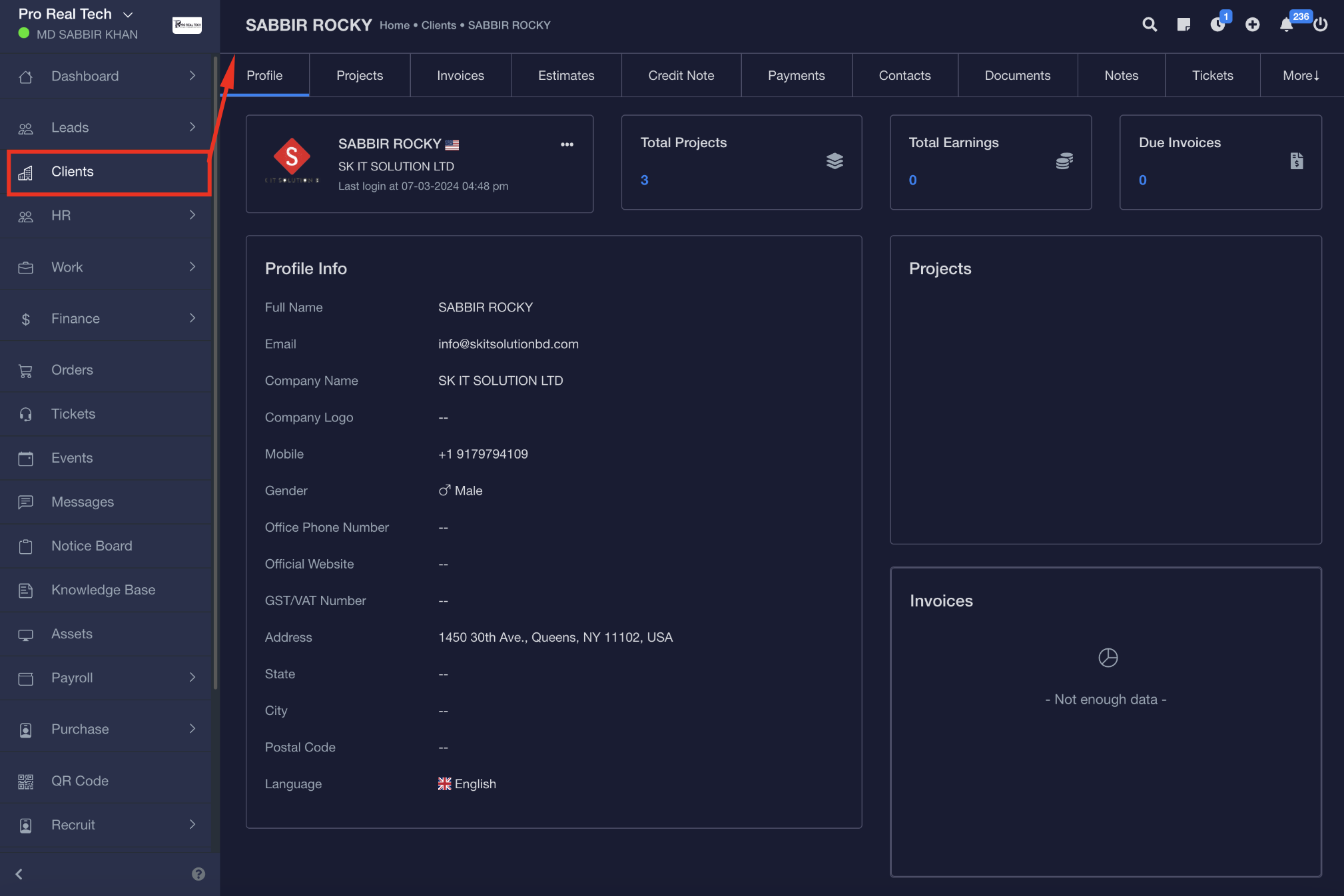
Implementing a Customer Relationship Management (CRM) system is essential for organizing client data, tracking interactions, and streamlining communication. A CRM system provides a centralized platform to store valuable client information, including contact details, communication history, and preferences. Businesses and professionals can effectively manage client relationships, stay organized, and deliver personalized service by leveraging CRM software.
2. Know every client’s most significant need
Understanding each client’s unique needs and priorities is fundamental to effective client management. Take the time to listen actively, ask probing questions, and gain insights into what matters most to your clients. Whether achieving specific business objectives, addressing pain points, or fulfilling personal preferences, knowing and addressing your clients’ most significant needs demonstrates attentiveness and builds trust. Businesses and professionals can tailor their offerings and services by prioritizing client needs to deliver maximum value and satisfaction.
3. Automate where possible
Automation can significantly streamline client management processes, saving time and reducing errors. Businesses can leverage automation tools and software to automate repetitive tasks such as sending reminders, processing payments, and updating client records. This allows professionals to focus their time and energy on more value-added activities, such as personalized service and strategic guidance. From automated email marketing campaigns to scheduling software, numerous tools are available to automate various aspects of client management, improving efficiency and productivity.
4. Set clear expectations
Clear communication and transparent expectations are vital for effective client management. Clearly define the scope of work, timelines, deliverables, and any other relevant details at the outset of the client relationship. This helps avoid misunderstandings and ensures that both parties are aligned on what to expect. Businesses and professionals can mitigate conflicts, build trust, and foster positive client relationships by setting clear expectations.
5. Leverage data to give personalized attention
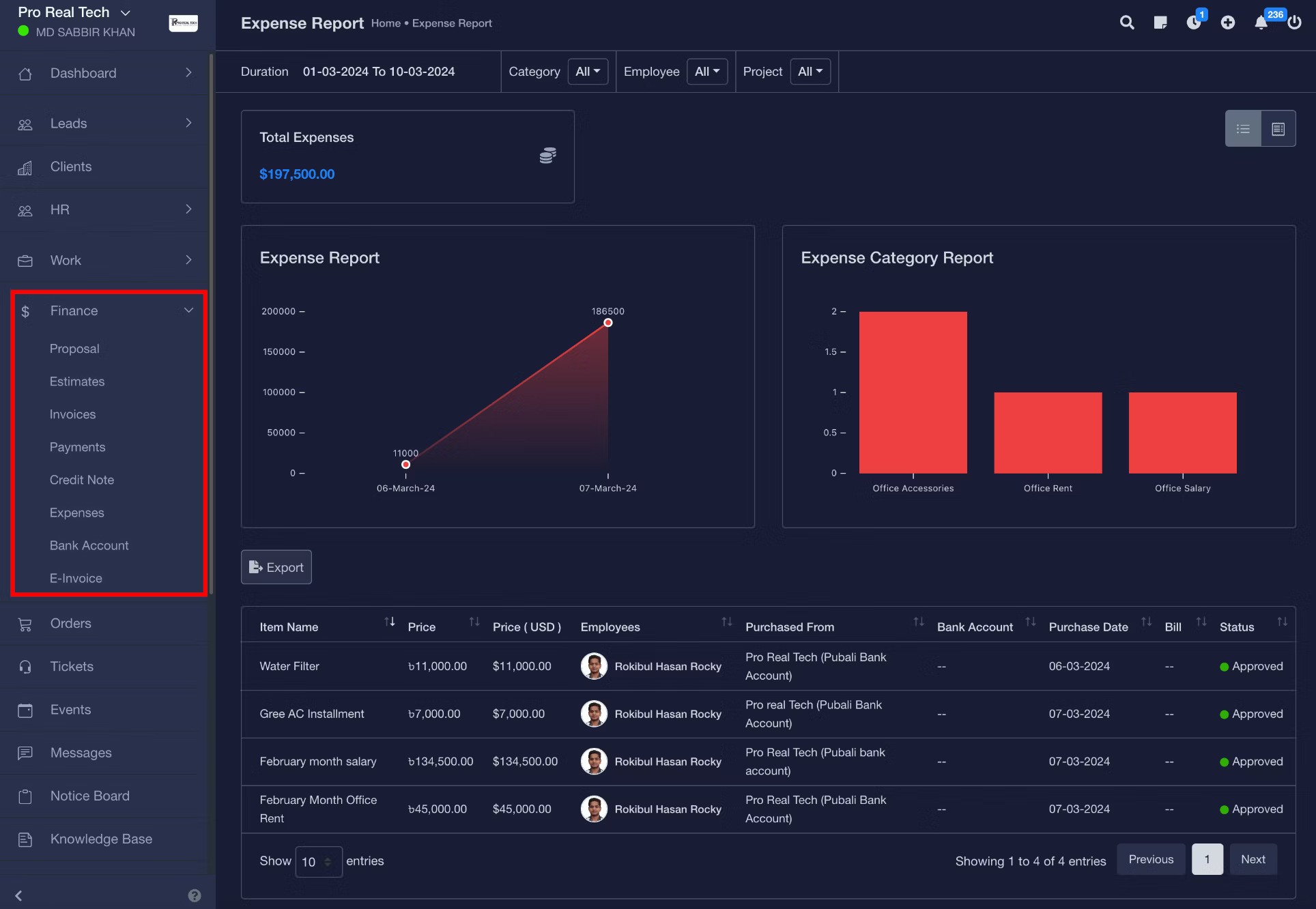
Data analytics can provide valuable insights into client behavior, preferences, and trends. Businesses and professionals can identify patterns, anticipate needs, and tailor their approach to individual clients by analyzing data. Whether recommending relevant products or services, offering targeted promotions, or providing personalized recommendations, leveraging data allows businesses to give clients the attention and service they deserve. By harnessing the power of data, businesses and professionals can strengthen client relationships, drive engagement, and deliver exceptional value.
6. Conduct regular follow-ups and check-ins
Regular communication is essential for maintaining strong relationships with clients. By conducting follow-ups and check-ins at regular intervals, businesses can stay informed about client needs, address any concerns promptly, and ensure that projects are progressing smoothly. Consistent communication demonstrates attentiveness and commitment to client satisfaction, whether it’s a quick phone call, an email update, or a face-to-face meeting.
7. Create a referral system
A referral system can be a powerful tool for expanding your client base and generating new business opportunities. By offering incentives or rewards for successful referrals, you can encourage satisfied clients to refer their friends, colleagues, or acquaintances to your business. By leveraging the networks and connections of existing clients, businesses can tap into new markets and attract high-quality leads. A well-implemented referral system not only strengthens client relationships but also serves as a cost-effective marketing strategy.
8. Measure your customer metrics
Tracking and analyzing customer metrics is essential for evaluating the effectiveness of your client management efforts. Monitor key performance indicators (KPIs) such as client satisfaction scores, retention rates, and referral rates to gauge the health of your client relationships. By identifying areas of strength and opportunities for improvement, businesses can refine their client management strategies and deliver better outcomes for their clients. Regularly measuring customer metrics allows enterprises to stay proactive and responsive to client needs, ultimately driving long-term success.
9. Celebrate wins
Celebrating big and small wins is crucial for fostering a positive and motivating work environment. Recognize and acknowledge your clients’ achievements, milestones, and successes to show appreciation for their partnership and contributions. Whether reaching a project milestone, exceeding performance targets, or receiving positive feedback, take the time to celebrate these accomplishments with your clients. Celebrating wins strengthens relationships and reinforces a culture of success and collaboration.
10. Create a client onboarding process
A well-defined client onboarding process sets the stage for a positive client experience. This process involves welcoming new clients, introducing them to your business or services, and outlining expectations and next steps. Businesses and professionals can establish rapport, align expectations, and lay the groundwork for a productive relationship by providing clear guidance and support during the onboarding phase. A structured onboarding process also helps mitigate confusion and uncertainty, ensuring a smooth transition into the client relationship.
Benefits of Effective Client Management
Effective client management offers many benefits, from enhanced customer satisfaction and retention to increased revenue and profitability. Businesses and professionals can achieve long-term growth and success in the current competitive landscape by prioritizing client relationships first and executing strong client management methods. Here are eight key benefits of prioritizing client management:
1. Improve Customer Satisfaction
Effective client management involves understanding clients’ needs, addressing concerns promptly, and delivering exceptional service. By consistently meeting or exceeding expectations, businesses can enhance customer satisfaction levels, leading to happier clients who are likelier to remain loyal and advocate for the industry.
2. Increase Customer Retention
Building solid client relationships fosters loyalty and reduces churn. When clients feel valued and understood, they are less likely to seek alternatives or switch providers. This translates to higher customer retention rates, which is crucial for long-term business success and stability.
3. Improve Internal Communication
Clear communication with clients often necessitates improved internal communication within the organization. When everyone in the team is aligned on client needs, expectations, and project details, it enhances collaboration, minimizes misunderstandings, and ensures smoother project execution.
4. Optimize Your Marketing Efforts
Understanding your clients’ preferences, pain points, and behaviors allows you to tailor your marketing strategies more effectively. By segmenting your audience and delivering targeted messages, you can increase the relevance and impact of your marketing campaigns, resulting in higher engagement and conversion rates.
5. Provide Valuable Insights
Regular client interactions provide valuable insights into market trends, customer preferences, and competitive landscapes. By analyzing these insights, businesses can identify emerging opportunities, anticipate changes in client needs, and stay ahead of the competition.
6. Sets You Up to Scale
Effective client management lays the groundwork for scalability and growth. Businesses can handle increased client volumes without compromising quality or customer satisfaction by implementing efficient processes, leveraging technology, and standardizing procedures. This scalability is essential for expanding operations and seizing new opportunities.
7. Boosts Revenue and Profitability
Satisfied clients are more likely to stay with your business and more inclined to increase their spending over time. Additionally, happy clients are more likely to refer new businesses, leading to steady referrals and organic growth. As a result, effective client management directly contributes to revenue growth and improved profitability.
8. Facilitates Data Collection and Analysis
Effective client management requires collecting and analyzing data related to client interactions, preferences, and behaviors. This data provides valuable insights that can inform strategic decision-making, drive targeted marketing efforts, and identify areas for improvement. Businesses can continuously refine their client management strategies by leveraging data analytics and delivering even better client outcomes.
FAQs
What Is a Client Manager?
A client manager oversees the relationship between a business or professional service provider and their clients. They serve as clients’ primary point of contact, ensuring their needs are met, questions are addressed, and concerns are resolved. Client managers are crucial in maintaining client satisfaction, fostering loyalty, and driving business growth. They often coordinate communication between internal teams and clients, facilitate project management, and advocate for clients within the organization.
What Are the Most Important Client Management Skills a Manager Should Possess?
Here are the top most important client management skills a manager should possess:
Communication skills
Managing client relationships
Problem-solving skills
Sales skills
Time management skills
Analytical skills
Leadership skills
Conflict resolution skills
Customer service skills
Relationship-building skills
Negotiation skills
Collaboration skills
What are the customer relationship management strategies to improve client retention?
Here are the 10 crm strategies to improve your customer retention:
I. Set realistic expectations
II. Create a communications plan to guide your team
III. Facilitate seamless client collaboration
IV. Use a client management software
V. Provide regular client reports
VI. Schedule client meetings regularly
VII. Be proactive
VIII. Implement feedback and improve your offerings
IX. Provide excellent customer support across all channels
X. Recognize and reward loyal clients
How Can Businesses Improve Their Client Management Strategies?
Businesses can improve their client management strategies by implementing several essential practices. These include investing in customer relationship management (CRM) software to organize client data and track interactions, developing clear communication protocols to ensure consistent messaging, and providing ongoing training to client-facing staff to enhance their client management skills. Additionally, soliciting client feedback and continuously evaluating and refining client management processes can help businesses identify areas for improvement and adapt to changing client needs.
What Role Does Technology Play in Client Management?
Technology plays a significant role in client management, enabling businesses to streamline processes, enhance communication, and deliver personalized service. CRM software, for example, allows businesses to centralize client information, track interactions, and automate routine tasks, improving efficiency and productivity. Communication tools such as email, video conferencing, and messaging platforms facilitate real-time client communication, regardless of geographic location. Additionally, data analytics tools provide valuable insights into client behavior and preferences, enabling businesses to tailor their offerings and marketing strategies accordingly.
Simplify Client Relationship Management With All-In-One CRM Software
Managing client relationships effectively is crucial for businesses and professionals alike, and Corexta offers a comprehensive solution to streamline this process. With context, companies can centralize client data, track interactions, and automate routine tasks, all within a user-friendly interface. This all-in-one CRM software simplifies client management by providing tools for managing contacts, scheduling appointments, and sending personalized communications. Corexta’s robust reporting and analytics features also enable businesses to gain valuable insights into client behavior, preferences, and trends, empowering them to make data-driven decisions.
By leveraging Corexta, businesses and professionals can improve efficiency, enhance communication, and strengthen client relationships. Whether you’re a small business looking to scale or a professional seeking to optimize client interactions, context offers the features and functionality to meet your needs. Say goodbye to scattered spreadsheets and disjointed communication channels—context streamlines client relationship management, allowing you to focus on what matters most: delivering exceptional service and driving business growth.