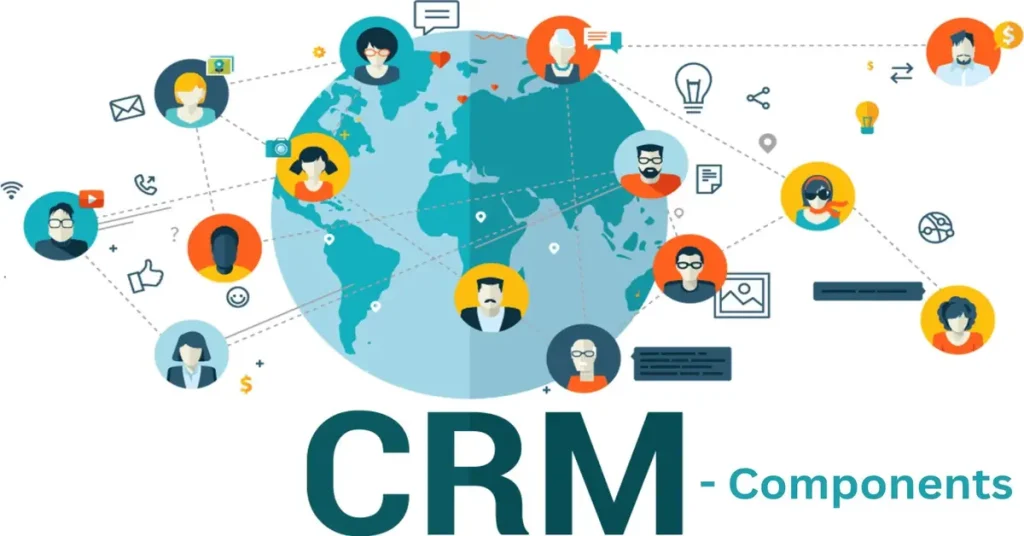
In today’s digitally driven business landscape, Customer Relationship Management (CRM) systems have evolved from simple data repositories to indispensable tools for fostering meaningful customer relationships, driving revenue, and propelling business growth. This comprehensive guide explores the various components of CRM and provides actionable insights on leveraging them to maximize business success.
Understanding CRM Components: Beyond Data Storage
While CRM systems serve as centralized repositories for customer data, their utility extends far beyond mere data storage. CRM components encompass a wide array of features designed to streamline operations, personalize interactions, and facilitate predictive analytics. From lead generation and pipeline management to omnichannel communication and advanced analytics, each component plays a crucial role in orchestrating seamless customer experiences and driving business growth.
The Role of CRM in Business Success
In today’s competitive marketplace, establishing and deepening relationships with customers is paramount to business success. CRM systems empower organizations to build customer loyalty, drive brand advocacy, and unlock revenue opportunities. By gathering valuable feedback, understanding customer behavior patterns, and delivering personalized experiences, businesses can leverage CRM to elevate their market presence and outperform competitors.

Core Components of CRM: A Holistic Approach
A holistic CRM strategy encompasses a comprehensive suite of components tailored to cater to every stage of the customer lifecycle.
- Lead Generation and Management: CRM systems streamline lead management processes by consolidating lead data, capturing leads through various channels, scoring leads based on predefined qualifiers, and nurturing leads through automated workflows and personalized content delivery.
- Pipeline Management: Effective pipeline management is crucial for driving sales success. CRM tools provide dashboards for visualizing pipeline progress, forecasting revenue, and automating stage-based workflows to accelerate the sales cycle and ensure customer satisfaction.
- Workflows and Automation: CRM systems offer a range of automation features to streamline workflows, automate repetitive tasks, and enhance overall efficiency. Tasks such as setting reminders, assigning sales reps, integrating with email and meeting platforms, and automating customer engagement activities can all be executed seamlessly within a CRM environment.
- Omnichannel Communication: Seamless communication across various touchpoints is essential for delivering personalized customer experiences. CRM platforms facilitate external communication with leads, prospects, and customers while enabling internal collaboration among cross-functional teams. Integration with other tools like customer support, marketing, and team messaging apps ensures consistent and coordinated communication efforts.
- Marketing Campaigns: CRM technology empowers marketers to run segmented, relevant, and personalized campaigns using customer data stored within the CRM database. Features such as email templates, campaign analytics, and automated drip workflows enable marketers to track engagement across different channels and drive targeted marketing initiatives.
- Business Reporting and Analytics: CRM systems offer robust reporting and analytics capabilities, providing businesses with valuable insights to inform decision-making and optimize strategies. From traditional sales and marketing reports to advanced forecasting and predictive analytics, CRM software empowers organizations to analyze patterns and trends, generate accurate sales forecasts, and drive strategic customer interactions.
Best Practices for Leveraging CRM Components
Optimizing CRM systems requires a strategic approach and adherence to best practices:
- Centralized Customer Database: Create a structured database of all customer data, including personal details, interactions, and purchase behavior, to enable easy access and comprehensive insights for sales and marketing teams.
- Automation and Workflow Streamlining: Leverage automation features to streamline repetitive tasks, such as email workflows, lead assignment, and task management, to optimize resource allocation and drive operational efficiency.
- Customization for Business Needs: Customize CRM configurations to align with specific business processes and requirements, including customizing lead statuses, tags, filters, reports, and views, to ensure optimal functionality and usability.
- Data Security Measures: Implement robust safety measures, such as access controls, multi-factor authentication, and regular auditing, to safeguard sensitive customer data and uphold trust with customers.
- Integration with Other Tools: Integrate CRM systems with other business tools and platforms to centralize data, streamline workflows, and enhance collaboration across teams, ensuring seamless cross-functional alignment and productivity.
Empowering Business Growth through CRM
Harnessing CRM components is essential for driving business growth, fostering customer relationships, and staying ahead in today’s competitive marketplace. By understanding the core components of CRM, implementing best practices, and leveraging innovative solutions, businesses can unlock the full potential of CRM systems to achieve sustained success and growth in an ever-evolving business landscape.