In competitive markets where customer acquisition costs continue to rise, businesses can no longer rely solely on attracting new customers to drive growth. Sustainable revenue increasingly comes from maximizing the value of existing customers. This is where cross-selling plays a critical role. Rather than pushing customers toward unnecessary purchases, modern cross-selling focuses on relevance, timing, and customer value.
Cross-selling is not about selling more for the sake of selling more. When executed correctly, it helps customers discover complementary products or services that enhance their original purchase, improve their experience, and solve related problems they may not have considered. For businesses, this translates into higher average order value, better customer retention, and stronger long-term relationships.
With advancements in data analytics, personalization, and automation, cross-selling has evolved far beyond generic “you might also like” suggestions. Today, it is a strategic, customer-centric practice informed by behavior, preferences, and context. In this guide, we’ll explore what cross-selling really means, how it differs from upselling, and the key benefits and drawbacks businesses should understand before implementing a cross-selling strategy.
What Is Cross Selling?
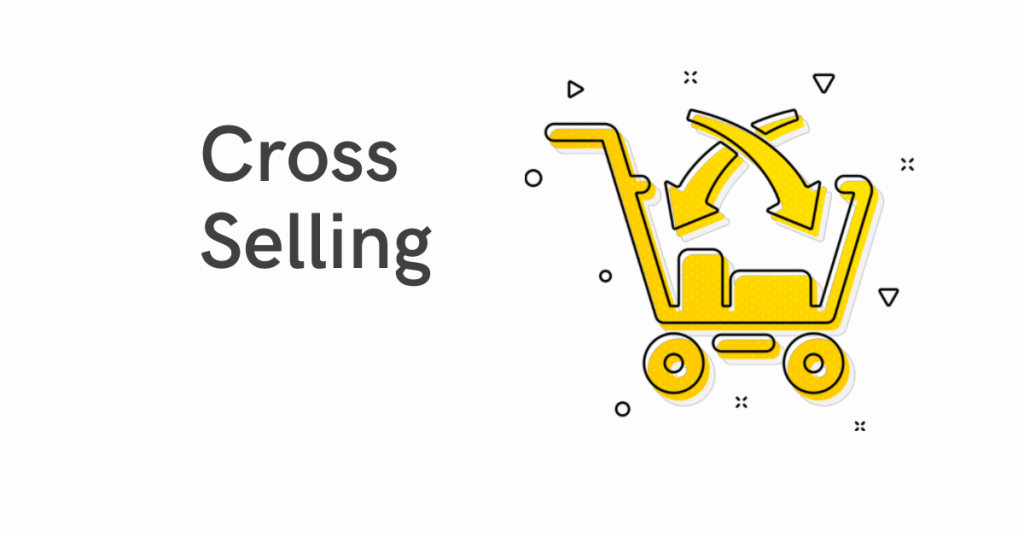
Cross-selling is a sales and marketing technique that involves recommending additional products or services that complement or enhance a customer’s primary purchase. These recommendations are typically related in function, use case, or value, and are designed to help customers get more out of what they are already buying.
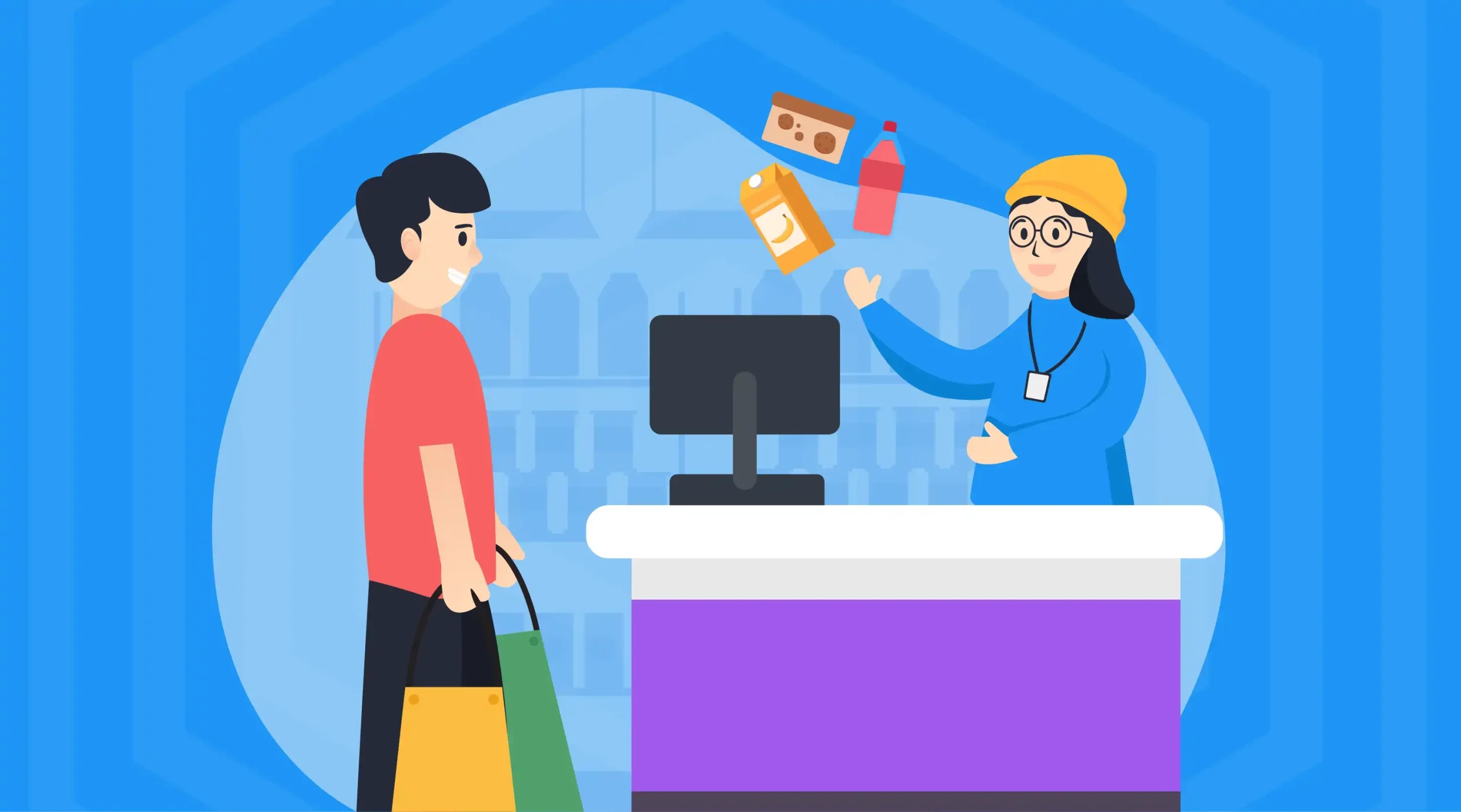
At its core, cross-selling is about relevance. A successful cross-sell feels helpful rather than intrusive. For example, when a customer purchases a laptop, suggesting a compatible laptop bag, wireless mouse, or extended warranty aligns naturally with their needs. The goal is not to distract the customer, but to complete their solution.
Cross-selling can occur at multiple touchpoints throughout the customer journey:
Before purchase, through product pages or comparison views
During checkout, with add-ons or bundled offers
After purchase, via follow-up emails, in-app messages, or customer support interactions
Modern cross-selling strategies rely heavily on customer data. Purchase history, browsing behavior, usage patterns, and preferences all help determine which cross-sell recommendations are most appropriate. This data-driven approach ensures suggestions are timely and personalized, increasing the likelihood of acceptance.
Importantly, cross-selling is not limited to physical products. Service-based businesses frequently use cross-selling to introduce add-on services, premium support, integrations, training, or maintenance plans. In subscription-based models, cross-selling may involve expanding features, tools, or usage capacity that complements the core offering.
When implemented thoughtfully, cross-selling creates a win-win situation. Customers receive a more complete and satisfying experience, while businesses increase revenue without increasing acquisition costs.
Cross-Selling vs. Upselling
Cross-selling and upselling are often mentioned together, but they serve distinct purposes and require different approaches. Understanding the difference is essential for applying each strategy effectively and without frustrating customers.
Cross-selling focuses on adding value through complementary products, while upselling aims to increase value by upgrading the primary product. The customer’s mindset, timing, and intent differ significantly between the two.
Table of Differences Between Cross-Selling and Upselling
| Aspect | Cross-selling | Upselling |
|---|---|---|
| Definition | Suggesting related or complementary products | Encouraging the purchase of a higher-end or upgraded product |
| Goal | Increase overall cart value with add-ons or extras | Increase order value by moving the customer to a premium option |
| Example (Mobile Phone) | Recommending a case, screen protector, or headphones | Recommending a model with more storage or a better camera |
| Customer benefit | A more complete solution or improved product use | Better features or performance from their main purchase |
| Business benefit | Boosts average order value and customer satisfaction | Increases revenue and margin per transaction |
| Best used when | The customer has selected a product and is near checkout | The customer is comparing or selecting among similar products |
From a customer experience perspective, cross-selling is generally perceived as less pushy than upselling. Customers are often more receptive to cross-sell suggestions because they enhance what they already want, rather than asking them to spend more on a different version of the same product.
Upselling, on the other hand, works best earlier in the decision-making process, when customers are still evaluating options. Cross-selling is most effective once a purchase decision has been made or immediately after.
Businesses that clearly understand when and how to use each strategy can avoid overwhelming customers and instead guide them toward choices that genuinely fit their needs.
The Benefits and Drawbacks of Cross-Selling
Like any strategic initiative, cross-selling offers significant advantages—but it also comes with potential risks if executed poorly. A balanced understanding of both is essential for building a sustainable and customer-friendly approach.
Benefits
1. Increased Average Order Value
One of the most immediate benefits of cross-selling is a higher average order value. By encouraging customers to add relevant items to their purchase, businesses can generate more revenue per transaction without acquiring new customers.
2. Improved Customer Experience
When recommendations are relevant and timely, cross-selling enhances the customer experience. Customers appreciate suggestions that save time, reduce future hassle, or help them get better results from their purchase. This positions the business as helpful rather than purely sales-driven.
3. Stronger Customer Retention
Customers who purchase complementary products are more likely to fully adopt and benefit from the main product. This increases satisfaction and reduces churn, especially in subscription and service-based businesses.
4. Better Product Discovery
Cross-selling introduces customers to products or services they may not have discovered on their own. This is particularly valuable for businesses with large catalogs or multiple service offerings.
5. More Efficient Revenue Growth
Selling to existing customers is typically more cost-effective than acquiring new ones. Cross-selling leverages established trust and familiarity, leading to higher conversion rates compared to cold outreach.
6. Deeper Customer Insights
Tracking cross-sell performance helps businesses understand customer needs, preferences, and usage patterns. These insights can inform product development, pricing strategies, and future marketing campaigns.
Drawbacks
1. Risk of Overwhelming Customers
Presenting too many cross-sell options at once can create decision fatigue. Instead of increasing conversions, excessive recommendations may confuse customers or slow down the buying process.
2. Perception of Aggressive Selling
If cross-selling is poorly timed or irrelevant, customers may perceive it as pushy or manipulative. This can damage trust and negatively impact brand perception.
3. Lower Conversion If Poorly Targeted
Generic or inaccurate recommendations rarely convert. Without proper segmentation and personalization, cross-selling efforts may fail to deliver meaningful results.
4. Increased Operational Complexity
Effective cross-selling requires clean data, coordination between teams, and ongoing optimization. Without the right systems and workflows, managing cross-sell campaigns can become resource-intensive.
5. Potential Impact on Core Purchase
In some cases, cross-selling can distract customers from completing their original purchase, especially if recommendations are introduced too early or presented too prominently.
6. Dependence on Data Quality
Cross-selling strategies rely heavily on customer data. Inaccurate, outdated, or incomplete data can lead to irrelevant suggestions and missed opportunities.
When businesses approach cross-selling strategically—prioritizing customer value over short-term revenue—the benefits far outweigh the drawbacks. The key lies in relevance, restraint, and continuous optimization based on real customer behavior.
Cross-Selling Techniques

Cross-selling techniques have evolved significantly over the years. What once relied heavily on intuition and manual sales efforts is now shaped by data, behavioral insights, and customer experience design. Effective cross-selling is not about pushing more products—it’s about identifying the right moment, channel, and context to make a relevant recommendation feel natural and valuable.
Broadly, cross-selling techniques fall into two main categories: in-store cross-selling and online cross-selling. While the environments differ, the underlying principle remains the same—help customers get more value from their purchase by anticipating related needs.
🏬 In-Store Cross-Selling
In-store cross-selling relies heavily on human interaction, physical product placement, and real-time customer cues. When done well, it feels conversational and personalized rather than scripted.
1. Staff-led recommendations
Sales associates play a critical role in in-store cross-selling. By asking the right questions and actively listening, they can identify complementary products that genuinely benefit the customer. For example, understanding how a customer plans to use a product allows staff to suggest relevant accessories, maintenance items, or add-on services.
The most effective in-store cross-selling happens when staff focus on problem-solving rather than selling. Recommendations framed around convenience, longevity, or improved usage are more likely to be accepted.
2. Strategic product placement
Physical placement strongly influences purchasing behavior. Complementary products placed near each other—such as batteries near electronics or sauces near ready-to-cook meals—encourage impulse cross-purchases without requiring direct sales interaction.
End caps, checkout counters, and bundled displays are especially effective for low-cost add-ons that enhance the main purchase.
3. Bundling and value packs
In-store bundles combine related products into a single offering, often at a perceived discount. This simplifies decision-making and increases cart value while clearly communicating added value to the customer.
Bundles work best when the products are naturally used together and the savings are easy to understand.
4. Timing-based suggestions
In-store cross-selling is most effective after the customer has committed to their main purchase. Once a buying decision is made, customers are more open to suggestions that enhance or protect their purchase, such as warranties, accessories, or care products.
5. Loyalty and membership insights
For returning customers, in-store systems can surface purchase history or loyalty data that helps staff make more informed recommendations. This enables a more personalized experience and increases the relevance of cross-sell offers.
💻 Online Cross-Selling
Online cross-selling relies on digital touchpoints, automation, and behavioral data to deliver recommendations at scale. Because there is no human interaction, relevance and timing become even more critical.
1. Product page recommendations
One of the most common online cross-selling techniques is displaying related or complementary items directly on product pages. These recommendations are often based on what other customers bought together or on product compatibility.
When executed well, this approach helps customers visualize the complete solution without disrupting their browsing flow.
2. Cart and checkout cross-sells
The checkout stage is a prime opportunity for cross-selling because purchase intent is already high. Offering relevant add-ons—such as protection plans, upgrades, or accessories—at this stage can significantly increase order value.
However, restraint is key. Limiting the number of recommendations and clearly explaining their value prevents friction and cart abandonment.
3. Post-purchase cross-selling
Cross-selling doesn’t end once the transaction is complete. Post-purchase emails, in-app messages, or account dashboards can introduce complementary products based on what the customer has already bought.
This approach is especially effective because it removes time pressure and allows customers to consider additional purchases when they are more relaxed and informed.
4. Behavior-driven personalization
Modern online cross-selling increasingly relies on real-time behavior signals such as browsing history, time spent on pages, and previous interactions. These insights help tailor recommendations that align with the customer’s current interests and intent.
Personalized cross-sells consistently outperform generic suggestions because they feel curated rather than promotional.
5. Subscription and lifecycle-based offers
For subscription or SaaS businesses, cross-selling often occurs at specific lifecycle moments—such as onboarding, feature adoption milestones, or renewal periods. Introducing complementary tools, integrations, or services at these moments increases relevance and acceptance.
6. Contextual messaging
Online cross-selling is most effective when recommendations are embedded naturally within the user experience. Instead of interruptive pop-ups, contextual messages within dashboards, help flows, or usage prompts feel more helpful and less intrusive.
When businesses align cross-selling techniques with customer intent and behavior, both in-store and online strategies can significantly enhance revenue while maintaining a positive customer experience.
Key Steps in Developing a Cross-Selling Campaign

A successful cross-selling campaign does not happen by accident. It requires a structured approach that aligns business goals with customer needs, supported by accurate data and continuous optimization. Below are the key steps involved in developing an effective cross-selling campaign.
Specify Your Goals
Every cross-selling initiative should begin with clearly defined goals. Without a specific objective, it becomes difficult to measure success or optimize performance.
Goals may include increasing average order value, improving product adoption, boosting customer retention, or expanding usage of underutilized offerings. The key is to choose goals that align with broader business objectives and customer outcomes.
Clear goals also help determine which metrics to track, such as conversion rates, revenue per customer, or engagement with cross-sell offers.
Analyze Customer Data
Data analysis is the foundation of effective cross-selling. Understanding how customers interact with your products, what they buy together, and where they encounter friction provides valuable insight into cross-sell opportunities.
Key data sources include purchase history, browsing behavior, usage patterns, support interactions, and feedback. Analyzing this data helps identify natural product pairings and reveals unmet customer needs.
Up-to-date and accurate data is essential. Poor data quality leads to irrelevant recommendations, which can undermine trust and reduce conversions.
Segment Your Audience
Not all customers respond to cross-selling in the same way. Segmentation allows businesses to tailor recommendations based on shared characteristics, behaviors, or needs.
Segments may be based on factors such as purchase frequency, lifecycle stage, industry, use case, or engagement level. For example, first-time customers may need basic complementary items, while long-term customers may benefit from advanced add-ons or services.
Effective segmentation ensures cross-sell offers feel personalized rather than generic, increasing both relevance and effectiveness.
Identify Complementary Products
Once segments are defined, the next step is identifying which products or services genuinely complement each other. Complementary products should enhance functionality, convenience, or outcomes—not complicate the experience.
Strong cross-sell pairings often solve secondary problems that naturally arise after the main purchase. They may improve usability, extend lifespan, reduce risk, or unlock additional value.
Testing and validation are important here. What seems complementary internally may not resonate with customers unless it aligns with real-world usage patterns.
Personalize the Experience
Personalization transforms cross-selling from a sales tactic into a customer experience strategy. This involves tailoring recommendations based on individual preferences, behaviors, and context.
Personalization can include dynamic product suggestions, customized messaging, timing adjustments, and channel selection. The goal is to present the right offer, to the right customer, at the right moment.
Customers are far more likely to engage with cross-sell offers that reflect their specific needs rather than broad assumptions.
Monitor, Measure, and Adjust
Cross-selling campaigns require continuous monitoring and optimization. Performance metrics such as click-through rates, acceptance rates, revenue impact, and customer satisfaction provide insight into what’s working and what’s not.
Regular analysis allows teams to refine targeting, adjust messaging, test new product pairings, and remove underperforming offers. Customer feedback should also play a role in shaping future iterations.
Cross-selling is not a one-time initiative—it’s an ongoing process that evolves alongside customer expectations, product offerings, and market conditions.
Tools for Cross-Selling
Effective cross-selling at scale is nearly impossible without the right tools. As customer journeys become more complex and span multiple channels, businesses need systems that bring strategy, data, collaboration, and execution together in one place. The most successful cross-selling tools don’t just surface recommendations—they help teams plan, personalize, coordinate, and continuously improve every customer touchpoint.
This is where Corexta stands out as a modern, all-in-one platform designed to support structured, customer-centric cross-selling strategies across teams and channels.
Why Tools Matter in Cross-Selling
Cross-selling requires alignment between marketing, sales, product, and customer success teams. Without a centralized system, cross-sell initiatives often become fragmented—campaign ideas live in documents, execution happens in disconnected tools, and results are reviewed too late to make meaningful improvements.
A strong cross-selling tool should enable:
Clear campaign planning and ownership
Context-aware personalization
Cross-team collaboration
Consistent customer communication
Measurable outcomes and iteration
Corexta brings these elements together in a single workspace, making it easier to execute cross-selling strategies that are both scalable and customer-focused.
Campaign Planning with Corexta Tasks & Docs
Cross-selling campaigns begin with planning. Corexta Tasks and Docs provide a structured environment to map out cross-sell initiatives from idea to execution.
Teams can document campaign objectives, define target segments, outline complementary product pairings, and assign responsibilities—all in one place. Tasks ensure accountability, while Docs keep strategy, messaging, and timelines aligned across stakeholders.
Unlike tools that separate planning from execution, Corexta keeps everything connected. Updates to strategy instantly reflect in task workflows, reducing misalignment and delays.
Context Mapping and Personalization with Corexta Custom Fields
Personalization is the backbone of effective cross-selling, and Corexta Custom Fields make it possible to capture and use meaningful customer context.
Custom Fields allow teams to track attributes such as customer type, lifecycle stage, industry, product usage, or prior purchases. This context enables more accurate segmentation and helps tailor cross-sell offers based on real customer needs rather than assumptions.
Because Custom Fields are flexible and dynamic, teams can adapt their personalization logic as products, markets, and customer behavior evolve—without rebuilding their entire workflow.
Cross-Functional Collaboration with Assigned Comments and Corexta Chat
Cross-selling is rarely owned by a single team. Marketing may design the campaign, sales may deliver the offer, and customer success may reinforce it post-purchase. Corexta supports this collaboration through Assigned Comments and real-time Chat.
Assigned Comments ensure feedback and action items don’t get lost in long threads. Each comment can be tied directly to a task, document, or customer workflow, keeping conversations actionable.
Corexta Chat enables fast, contextual communication between teams, reducing dependency on external messaging tools and keeping discussions close to the work itself.
Improving Customer Experience Through Personalized Touchpoints
Customers don’t experience cross-selling as a “campaign”—they experience it as a series of interactions. Corexta helps teams design and manage personalized touchpoints across the customer journey.
By combining customer context with structured workflows, teams can ensure cross-sell offers appear at the right moment—during onboarding, at feature adoption milestones, or after a successful purchase. This timing-first approach increases relevance and reduces friction.
Rather than interrupting customers, Corexta enables cross-selling to feel like a natural extension of the customer experience.
Create Segmented Outreach Workflows
One-size-fits-all cross-selling rarely works. Corexta allows teams to build segmented outreach workflows tailored to different customer groups.
Workflows can be designed based on Custom Fields, behaviors, or lifecycle stages. Each segment can receive distinct messaging, offers, and follow-ups that align with their specific needs and readiness to buy.
This structured approach ensures consistency while still allowing for deep personalization—something many traditional tools struggle to balance.
Create a Customer Communications Hub
Cross-selling often fails when customer communication is scattered across tools and teams. Corexta acts as a centralized customer communications hub, giving teams visibility into what has been communicated, when, and by whom.
This prevents overlapping messages, contradictory offers, or over-communication—common issues that erode trust. With everything in one place, teams can coordinate cross-sell messaging and maintain a consistent brand voice.
Track & Iterate Touchpoint Effectiveness
Cross-selling success depends on continuous improvement. Corexta enables teams to track the performance of cross-sell touchpoints and workflows over time.
By reviewing engagement, completion, and outcome data, teams can identify which offers resonate, which segments convert best, and where customers drop off. These insights support faster iteration and smarter decision-making.
Instead of guessing what works, teams can refine their cross-selling strategy based on real performance data.
To Maximize Your Cross-Selling Success in Corexta
To get the most out of Corexta for cross-selling:
Define clear cross-sell goals and success metrics
Map customer context using Custom Fields
Build segmented workflows for different customer groups
Align teams through shared Tasks, Docs, and communication
Continuously review and refine touchpoints based on performance
This structured yet flexible approach is what makes Corexta more effective than fragmented or single-purpose tools.
Challenges in Cross-Selling

Despite its benefits, cross-selling presents several challenges that businesses must address to succeed.
One major challenge is relevance. Without accurate customer data and context, cross-sell offers can feel generic or misaligned. Customers quickly disengage when recommendations don’t reflect their actual needs.
Another challenge is timing. Introducing cross-sell offers too early can distract from the main purchase, while presenting them too late can miss the opportunity entirely. Finding the right moment requires careful mapping of the customer journey.
Internal alignment is also a common obstacle. When teams operate in silos, cross-selling efforts become inconsistent. Messaging may conflict, ownership may be unclear, and opportunities may be missed.
There’s also the risk of over-communication. Too many offers across multiple channels can overwhelm customers and damage trust. Successful cross-selling requires restraint and coordination.
Finally, measurement and optimization can be difficult without centralized tools. Without visibility into what’s working, teams struggle to improve outcomes over time.
Addressing these challenges requires not just strategy, but the right operational foundation.
Master Cross-Selling the Corexta Way
Cross-selling works best when it’s intentional, customer-driven, and well-coordinated—and that’s exactly where Corexta excels. Instead of treating cross-selling as a series of isolated tactics, Corexta enables businesses to build a repeatable, scalable system that connects strategy, execution, and insights.
With Corexta, teams can plan smarter campaigns, personalize experiences using real customer context, collaborate seamlessly across functions, and continuously improve based on performance data. Every cross-sell touchpoint becomes more relevant, timely, and valuable to the customer.
If you’re ready to move beyond generic recommendations and fragmented workflows, it’s time to rethink how you approach cross-selling. Centralize your efforts. Personalize with confidence. Collaborate without friction.
Start building meaningful cross-selling experiences that customers actually appreciate. Take control of your cross-selling strategy with Corexta—and turn every interaction into an opportunity for growth.
Read More: What’s a Project Management Database? A Complete Guide