How to Implement a Conversational Marketing Strategy

Conversational marketing works best when it follows a clear strategy. Random chats or unplanned messaging can confuse customers and reduce results. A structured approach helps businesses deliver helpful conversations that guide users toward the right action.
The following steps show how organizations can build and manage a successful conversational marketing strategy.
Step #1: Identify Your Goals and Metrics First
Every marketing strategy should start with clear goals. Conversational marketing is no different. Before launching chat tools or messaging systems, businesses need to define what they want to achieve.
Common goals include:
Generating more qualified leads
Improving customer engagement
Reducing response time for support questions
Increasing product sales or sign-ups
Booking more demos or consultations
Once goals are defined, the next step is selecting measurable metrics. These metrics help track performance and determine whether the strategy is working.
Important metrics may include:
Number of conversations started
Lead conversion rate
Average response time
Customer satisfaction score
Chat engagement rate
Completed bookings or purchases
Clear goals and metrics ensure that conversations support real business outcomes rather than just creating activity.
Step #2: Define Your Key Messages
After setting goals, businesses must determine what they want to communicate during conversations. Key messages guide how the brand speaks with customers and what information it provides.
These messages should be clear, helpful, and aligned with the brand’s voice. They should also address common customer questions such as:
What problem does the product solve?
What makes the product or service unique?
What value does the customer receive?
What action should the customer take next?
For example, a company might highlight quick onboarding, flexible pricing, or strong customer support as part of its core messaging.
It is also helpful to prepare answers for frequently asked questions. This ensures that both chatbots and human agents provide consistent responses across different conversations.
Strong messaging helps keep conversations focused and prevents confusion during customer interactions.
Step #3: Decide Which Communication Channels to Use
Customers interact with brands through many digital channels. A successful conversational marketing strategy focuses on the platforms customers already use.
Some of the most common conversational channels include:
Website chat is often the starting point because it allows businesses to interact with visitors while they are actively exploring products or services. Messaging apps and social platforms can also expand reach by allowing customers to contact businesses from their preferred platforms.
The key is choosing channels that match customer behavior. If most users interact through social media, messaging tools should be integrated there. If website traffic is high, live chat should be prioritized.
Using the right channels ensures that conversations happen naturally and at the right moment in the customer journey.
Step #4: Train Your Team to Use Conversational Tools Effectively
Technology plays an important role in conversational marketing, but human interaction remains essential. Customer support teams, sales representatives, and marketing teams must understand how to communicate effectively through chat and messaging platforms.
Training should focus on several important areas:
Using conversational software tools correctly
Responding quickly and clearly
Maintaining a friendly and professional tone
Understanding customer intent and needs
Escalating complex issues when necessary
Team members should also learn how to guide conversations toward helpful outcomes. Instead of pushing sales messages too early, they should focus on answering questions and building trust.
Proper training ensures that conversations feel natural and helpful rather than robotic or overly scripted.
Step #5: Design and Test Your Chatbots Before Launching
Chatbots play a major role in scaling conversational marketing. They can answer simple questions instantly, guide users to helpful resources, and collect important information from visitors.
However, chatbots must be designed carefully. Poorly designed bots can frustrate customers and damage the overall experience.
Before launching, businesses should focus on:
Creating clear conversation flows
Anticipating common customer questions
Providing easy options to speak with a human agent
Testing different conversation scenarios
Ensuring responses are accurate and helpful
Testing is essential. Teams should simulate real conversations to identify problems and improve the chatbot’s responses. Continuous improvement ensures that the chatbot provides value rather than becoming an obstacle for users.
When designed properly, chatbots reduce response time and allow teams to focus on more complex customer needs.
Step #6: Track Results and Optimize Conversation Flows
Conversational marketing should always evolve based on data. Tracking conversation performance helps businesses understand what works and what needs improvement.
Analytics tools can measure several important indicators, including:
Number of conversations started
Customer engagement rates
Conversion rates from chat interactions
Average conversation duration
Customer satisfaction ratings
By analyzing these metrics, businesses can identify weak points in the conversation flow. For example, if users frequently leave a chat after a certain message, the response may need improvement.
Optimization may include refining chatbot scripts, improving agent responses, adding new FAQs, or adjusting conversation triggers.
Continuous improvement ensures that conversational marketing remains effective and aligned with customer needs. Over time, optimized conversations lead to stronger engagement, better customer experiences, and higher conversion rates.
Insider Tip: How Corexta’s Conversational AI Enhances Task Management and Team Collaboration

Conversational marketing does not only help businesses communicate with customers. It can also improve internal communication and productivity within teams. Modern platforms combine conversational AI with project management features so that conversations can turn into actions, tasks, and decisions. Corexta is an example of a platform that integrates conversational AI with workflow management to improve team collaboration and efficiency.
Turning Conversations into Actionable Tasks
One of the biggest challenges teams face is losing important ideas or action points inside long message threads. Conversational AI in Corexta helps solve this problem by allowing discussions to be converted directly into tasks.
For example, when a team discusses a client request or a marketing campaign update in chat, that message can be turned into a task with deadlines, tags, and assignments. This ensures that important commitments do not get buried in conversations. Instead, they become trackable tasks that appear in the team’s project dashboard.
This approach connects communication with execution. Instead of switching between chat apps and project tools, teams manage everything in one place.
Real-Time Communication Inside Project Workflows
Effective collaboration requires quick communication between team members. Corexta includes built-in internal chat and messaging features that allow teams to communicate in real time while working on projects.
Team members can:
Discuss tasks directly within the platform
Start one-on-one or group conversations
Share updates about project progress
Clarify questions related to specific tasks or clients
Because these conversations happen inside the same workspace where tasks and projects are managed, communication stays connected to the actual work context. This reduces confusion and prevents information from getting scattered across multiple apps.
Context-Aware Messaging for Better Collaboration
A key strength of conversational AI is its ability to understand context. Corexta links conversations to specific work items such as projects, tasks, or client records.
For example:
Messages about a project appear alongside its timeline and deliverables
Customer inquiries can be connected to CRM records
Notifications about task updates appear in the related project discussion
This context-aware communication helps teams understand why a conversation is happening and what action is required. As a result, decision-making becomes faster and collaboration becomes more organized.
AI Assistance for Faster Team Productivity
Conversational AI can also support teams by assisting with everyday work tasks. Corexta uses AI to help summarize conversations, suggest next steps, and generate helpful insights from ongoing discussions.
These capabilities help teams:
Summarize meeting notes quickly
Identify action items from discussions
Suggest priorities based on project updates
Generate quick replies or content ideas
By automating these repetitive tasks, AI reduces manual work and allows team members to focus on strategic decisions and creative problem-solving.
Real-Time Notifications and Workflow Updates
Another way conversational AI improves collaboration is through real-time notifications. Corexta sends instant alerts when there are new messages, task updates, or project changes.
These notifications help teams stay informed about:
Real-time alerts ensure that important updates are not missed and that teams can respond quickly when action is needed.
Centralizing Communication and Project Management
Many organizations struggle with scattered tools—one app for messaging, another for project tracking, and another for customer communication. This fragmentation often slows down productivity.
Corexta solves this by providing a centralized workspace that combines communication, task management, CRM, and project tracking in one platform. Teams can visualize tasks using tools like Kanban boards or project timelines while discussing updates directly within the system.
This unified approach reduces the need to switch between tools, improves data flow, and ensures everyone works with the same information.
Why This Matters for Conversational Marketing
When conversational marketing tools connect directly with internal workflows, businesses gain a major advantage. Customer conversations can trigger internal tasks, sales follow-ups, or support actions instantly.
For example:
A customer chat can create a follow-up task for the sales team
A support inquiry can generate a ticket for the service team
Feedback from a conversation can be assigned to the product team
By linking customer conversations with team workflows, businesses can respond faster, improve collaboration, and deliver better customer experiences.
Conversational Marketing Examples
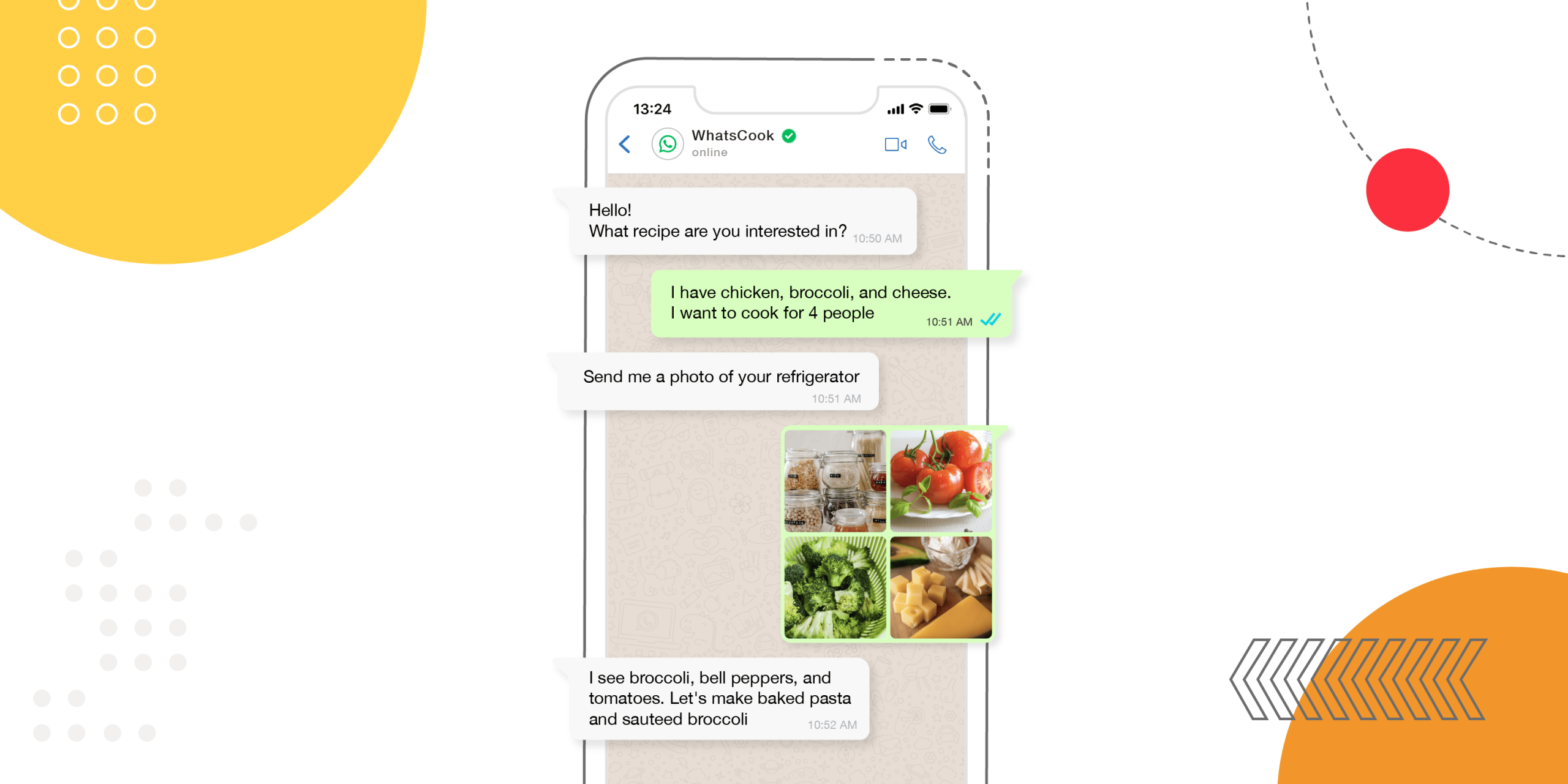
Conversational marketing is used in many industries to improve communication and guide customers through the buying process. Businesses use real-time conversations to answer questions, recommend products, and build relationships with potential buyers. The following examples show how conversational marketing works in real situations.
Website Live Chat for Lead Generation
Many companies place live chat widgets on their websites to engage visitors instantly. When someone lands on a product or pricing page, a chat window may appear offering help.
For example, a software company might greet visitors with a simple message such as, “Need help choosing the right plan?” If the visitor responds, a chatbot or sales agent can answer questions, explain product features, or schedule a demo.
This type of conversation removes the need for long contact forms. It also helps businesses capture leads while the visitor is still interested in the product.
Chatbots for Customer Support
Chatbots are one of the most common tools used in conversational marketing. They can answer frequently asked questions instantly and guide users to helpful resources.
For instance, an e-commerce store might use a chatbot to help customers track orders, check product availability, or learn about shipping policies. If the chatbot cannot solve the issue, the conversation can be transferred to a human support agent.
This approach reduces wait times and allows businesses to support many customers at once.
Messaging Apps for Sales Conversations
Many brands communicate with customers through messaging platforms such as WhatsApp, Facebook Messenger, or other chat apps. These platforms allow businesses to have ongoing conversations with customers in a familiar environment.
A retail brand might send product recommendations or notify customers about new arrivals through messaging apps. Customers can reply with questions, request product details, or complete a purchase through the conversation.
This type of interaction feels natural because it mirrors everyday messaging habits.
Social Media Conversations
Social media platforms are another important space for conversational marketing. Instead of only posting content, businesses interact directly with followers through comments, direct messages, and replies.
For example, a customer might ask about product availability in a comment. A brand can respond quickly, provide helpful information, and guide the user to the right product page.
These conversations build trust and show that the brand is responsive and customer-focused.
Conversational Product Recommendations
Some websites use conversational tools to guide customers through product selection. Instead of browsing dozens of products, visitors answer a few questions through a chat interface.
For example, a skincare brand may ask about skin type, concerns, and preferred ingredients. Based on the answers, the system recommends suitable products.
This type of personalized guidance helps customers make faster decisions and improves the overall shopping experience.
Benefits of Conversational Marketing

Conversational marketing offers several advantages for businesses that want to improve engagement and customer experience. By enabling direct communication, companies can respond quickly to customer needs and guide them through the buying journey more effectively.
Faster Customer Response
One of the biggest benefits is speed. Customers no longer need to wait hours or days for an email reply. Chatbots and live chat tools provide instant responses, which helps customers get information quickly.
Faster responses improve satisfaction and prevent potential buyers from leaving the website due to unanswered questions.
Better Customer Experience
Conversational marketing creates a more interactive and human experience. Instead of reading static information or filling out forms, customers can ask questions and receive personalized responses.
This type of interaction feels more natural and engaging. When customers feel heard and supported, they are more likely to trust the brand.
Higher Conversion Rates
Real-time conversations can guide customers toward a decision at the right moment. When visitors receive answers quickly, they are more likely to continue the buying process.
For example, a potential customer may hesitate to purchase a product due to pricing concerns. A quick conversation with a support agent can clarify the value or explain available options, increasing the chances of conversion.
Stronger Customer Relationships
Two-way conversations help businesses build long-term relationships with their audiences. When companies actively listen and respond to customers, they show that they value customer feedback.
Over time, these interactions create loyalty and encourage repeat purchases.
Valuable Customer Insights
Every conversation provides useful data about customer needs, concerns, and preferences. Businesses can analyze these conversations to understand common questions, product interests, and customer challenges.
These insights help improve marketing messages, refine products, and enhance customer support strategies.
Improved Efficiency Through Automation
Automation tools such as chatbots allow businesses to handle a large number of conversations without increasing support staff. Routine questions can be answered automatically, while complex inquiries are handled by human agents.
This balance between automation and human support improves efficiency while maintaining quality service.
Integrating Conversational Marketing with Other Strategies
Conversational marketing becomes even more powerful when it works alongside other marketing strategies. Instead of operating as a separate channel, conversations can support broader marketing and sales efforts.
Integrating with Content Marketing
Content marketing focuses on educating and informing potential customers. Conversational marketing can enhance this strategy by guiding readers toward relevant content.
For example, a chatbot on a blog page can recommend related articles, guides, or case studies based on the visitor’s interests. If a reader wants deeper information, the conversation can lead them to a webinar, whitepaper, or product demo.
This integration helps visitors move smoothly from learning to taking action.
Supporting Lead Generation Campaigns
Conversational tools can improve lead generation by capturing information during real-time interactions. Instead of requiring users to fill out long forms, chat systems can ask simple questions and collect contact details naturally.
For example, a chatbot may ask for an email address to send additional resources or schedule a consultation. This method often feels less intrusive and increases the likelihood that visitors will share their information.
Enhancing Email Marketing
Conversations can also support email marketing campaigns. When users engage with chat systems, businesses can gather insights about their preferences and interests.
These insights allow marketers to segment email lists and send more personalized messages. For example, if a user asks about a specific product category, future emails can focus on related offers or content.
This personalization improves open rates and engagement.
Connecting with CRM Systems
Customer relationship management systems store important information about leads and customers. Integrating conversational tools with CRM platforms allows businesses to store conversation data and track interactions.
When sales teams access CRM records, they can see previous conversations, customer questions, and interests. This context helps them provide more relevant responses and build stronger relationships with prospects.
Supporting Sales and Customer Support Teams
Conversational marketing can also connect marketing, sales, and support teams. When a customer asks a detailed product question, the conversation can be transferred to a sales representative. If the question relates to technical issues, it can be directed to support.
This coordination ensures that customers receive the right help from the right team at the right time.
Turn Conversations Into Conversions With Corexta
Conversational marketing plays a powerful role throughout the entire online customer journey. From the moment a visitor begins exploring your brand to the stage where a prospect is evaluating your products or an existing customer needs post-purchase support, real-time conversations help guide users smoothly through the buying process. This approach not only accelerates decision-making but also strengthens trust and builds lasting customer relationships.
Corexta can take this experience even further. Corexta enables teams to manage customer inquiries, deliver prompt responses and monitor interactions from a single centralized workspace. By bringing conversations, tasks and customer insights together, it ensures smoother communication across teams and with customers.
Corexta’s AI-powered automation and integrations help streamline workflows by automatically organizing conversations, assigning tasks and providing faster responses based on customer interactions. This allows businesses to maintain efficiency while delivering a more personalized customer experience.
With these capabilities, businesses can simplify operations, improve responsiveness and build stronger relationships with their customers.
Ready to transform conversations into conversions? Try Corexta today and elevate your customer engagement strategy. 🚀