Strategic initiatives are not small tasks. They are big efforts that move a business forward. These initiatives shape growth, guide teams, and support long-term goals. Yet many teams struggle to track them the right way. Progress often gets lost in meetings, spreadsheets, or long reports that few people read.
Tracking and reporting should not feel like extra work. It should help leaders make better choices. It should help teams see what matters most. When done well, reporting creates clarity. It shows what is working, what is at risk, and what needs attention right now.
Many organizations treat reporting as documentation. They collect data at the end of the month. They share updates too late. This approach hides problems instead of fixing them. It also disconnects teams from strategy.
This guide explains a better way. You will learn how to track, measure, and report on strategic initiatives with purpose. You will see what to measure, why it matters, and how reporting supports real decisions. The focus is on outcomes, alignment, and trust—not busywork.
Reporting Is a Decision System, Not Documentation

Reporting is often misunderstood. Many teams think reports exist to prove work was done. This mindset creates long updates filled with numbers and charts. Yet these reports rarely change decisions. They only record the past.
Good reporting works differently. It acts as a decision system. It helps leaders decide what to do next. It shows where to invest time, money, and people. It highlights risks early so teams can respond fast.
When reporting supports decisions, it becomes timely. Updates are shared while action is still possible. Data is clear and focused. Each metric has a reason to exist. If a number does not support a decision, it should not be there.
Decision-focused reporting also changes behavior. Teams stop hiding problems. They surface issues early. Leaders ask better questions. Meetings become shorter and more useful. Strategy turns into daily action instead of a yearly plan.
This shift requires intent. Teams must design reporting around decisions they need to make. Not around templates. Not around tradition. When reporting guides choices, it becomes a powerful tool.
What Are Strategic Initiatives?
Strategic initiatives are major efforts that help an organization reach its long-term goals. They are not routine tasks. They usually cut across teams and departments. They require resources, time, and leadership support.
Examples include entering a new market, launching a core product, improving customer experience, or transforming internal systems. These initiatives matter because they shape the future of the business.
Because they are complex, strategic initiatives are also risky. Many fail due to poor visibility and weak alignment. That is why tracking and reporting are critical. The right system keeps everyone focused and informed.
Below are the key reasons why strong reporting makes strategic initiatives succeed.
1. Real-Time Visibility Kills Problems Early
Problems rarely appear overnight. They grow slowly. Missed deadlines. Rising costs. Low engagement. Without real-time visibility, these signals go unnoticed.
When teams track progress as it happens, they spot issues early. They can act before damage spreads. Real-time data reduces surprises. It replaces panic with control.
Visibility also builds confidence. Leaders know where things stand. Teams know what to fix. Everyone works with the same facts.
2. Alignment Stops Happening by Accident
Alignment does not happen on its own. It requires shared goals and shared data. Strategic initiatives fail when teams pull in different directions.
Clear reporting aligns everyone around outcomes. Teams see how their work connects to strategy. Priorities become clear. Trade-offs make sense.
When alignment is visible, teams stop guessing. They focus on what matters most.
3. Trust Compounds Over Time
Trust grows when information is honest and consistent. Regular reporting builds that trust. Leaders trust teams who share real progress. Teams trust leaders who respond with support instead of blame.
Over time, this trust compounds. Updates become open. Risks are shared early. Collaboration improves. Strategic work feels safer and more focused.
4. Course Correction Becomes Possible Again
No strategy is perfect. Markets change. Assumptions break. Without tracking, teams stay locked into the original plan.
Good reporting enables course correction. It shows what is working and what is not. Leaders can adjust goals, scope, or resources. Strategy becomes flexible, not fragile.
5. Transparency Stops Feeling Like Surveillance
Many teams fear reporting because it feels like monitoring. This happens when metrics are used to judge people instead of progress.
When reporting focuses on outcomes and learning, transparency feels supportive. Teams see reporting as a shared tool. Not a threat. This mindset encourages honesty and improvement.
What Actually Needs to Be Measured
Measuring everything is easy. Measuring the right things is hard. Strategic initiatives need focus. Below are the core areas that matter most.
Start With Outcomes, Not Activity
Activity does not equal progress. Meetings held. Tasks completed. Emails sent. These actions do not guarantee results.
Outcomes show real impact. Revenue growth. Customer retention. Cost reduction. Adoption rates. These measures reflect success.
Start by defining what success looks like in business terms. Then track indicators that show movement toward that outcome.
Milestones That Prove Progress, Not Motion
Milestones should validate progress. Not just motion. A good milestone shows value delivered. Not time spent.
For example, “feature released to customers” is stronger than “development started.” Strong milestones reduce false confidence. They keep teams honest.
Each milestone should answer one question. Did this move us closer to our goal?
Risk Identification That’s Specific and Actionable
Risk tracking often fails because it is vague. Labels like “resource risk” or “timeline risk” do not help.
Effective risk reporting is specific. What is the risk? Why does it matter? What could happen next?
Clear risks prompt action. They help leaders intervene early. They turn uncertainty into manageable steps.
Risks Need Action, Not Acknowledgment
Listing risks is not enough. Each risk needs an owner. It needs a plan. It needs follow-up.
Reporting should show what is being done about risks. This turns reporting into problem-solving. Not just awareness.
Resource Visibility Is Strategy Execution
Strategy depends on resources. People. Budget. Time. Without visibility, teams overcommit.
Tracking resource use shows where effort goes. It reveals bottlenecks. It supports better planning.
When leaders see resource strain early, they can rebalance work. This keeps initiatives healthy.
Measure Sentiment Before Burnout Becomes Attrition
Numbers do not tell the full story. Team sentiment matters. Stress, morale, and confidence affect outcomes.
Simple sentiment checks can reveal burnout early. These signals help leaders support teams before problems escalate.
Healthy teams deliver better results. Measuring sentiment protects long-term performance.
The Frameworks That Actually Work

Choosing the right reporting framework is not about trends. It is about clarity, focus, and decision-making. Many teams fail because they mix tools without purpose. Others copy frameworks without understanding why they exist. The frameworks below work because they support strategy, not noise. Each one solves a different reporting problem.
1. Balanced Scorecard (BSC): Making Strategy Impossible to Ignore
The Balanced Scorecard is designed to keep strategy visible at all times. It moves reporting beyond financial results alone. Instead, it balances performance across four key areas: financial results, customer outcomes, internal processes, and learning and growth.
This framework forces leaders to answer hard questions. Are we improving customer value? Are our internal systems strong enough to scale? Are teams learning fast enough to stay competitive? Financial numbers alone cannot answer these questions.
The real strength of the Balanced Scorecard is focus. It prevents teams from chasing short-term wins at the cost of long-term health. When used correctly, it connects daily work to long-term goals. Teams can see how operational improvements support financial success.
Balanced Scorecards work best for organizations with mature strategies. They require clear goals and leadership commitment. They also require discipline. Metrics must be reviewed regularly. When ignored, the scorecard loses power. When respected, it becomes a strategic compass.
2. Objectives and Key Results (OKRs): Aligning Goals Without Micromanagement
OKRs are built around clarity and autonomy. They define what the organization wants to achieve and how success will be measured. An objective sets direction. Key results measure progress.
The key advantage of OKRs is alignment. Teams understand how their goals support company-wide priorities. This shared direction reduces confusion and wasted effort. Everyone knows what matters most.
OKRs also protect autonomy. They focus on outcomes, not tasks. Teams choose how to achieve results. Leaders track progress without controlling execution. This balance encourages ownership and innovation.
Effective OKRs are ambitious but realistic. They are reviewed frequently, not once a year. Progress updates create transparency. Missed key results trigger learning, not blame.
When implemented well, OKRs replace guesswork with clarity. They turn strategy into measurable action without creating pressure through micromanagement.
3. Dashboards: Reporting That Actually Drives Action
Dashboards are one of the most misunderstood tools in reporting. Many dashboards fail because they try to show everything. Good dashboards do the opposite. They show only what matters right now.
An effective dashboard answers one core question. What needs attention today? It highlights trends, risks, and progress at a glance. It removes the need to search through long reports.
Dashboards work best when they are role-specific. Executives need high-level signals. Managers need operational detail. Teams need actionable metrics. One dashboard cannot serve everyone.
Real-time or near real-time updates are critical. Delayed data limits action. When dashboards reflect current reality, teams respond faster.
Dashboards should also be simple. Clear labels. Visual consistency. No unnecessary decoration. The goal is insight, not aesthetics.
When designed for decisions, dashboards become daily tools. They guide conversations. They reduce status meetings. They keep strategic initiatives on track.
4. Narrative Reports: Giving the Data a Voice
Data alone does not tell a story. Numbers need context. Narrative reports provide that context. They explain why results look the way they do.
Narrative reporting connects metrics to reality. It explains changes. It highlights risks. It shares lessons learned. This helps leaders understand not just what happened, but why.
Narrative reports are especially valuable for complex initiatives. They capture nuance that dashboards cannot. They also help build trust. Honest narratives encourage open discussion.
Strong narrative reports are concise. They focus on insights, not repetition of data. They pair key metrics with explanation and next steps.
When data and narrative work together, reporting becomes clearer and more human. Decisions become easier and more informed.
🧩 Which Framework Should You Choose?
No single framework works for every situation. The right choice depends on your goals, audience, and organizational maturity. Many teams use a combination of frameworks to meet different needs.
Below is a simple comparison to help guide selection:
| Framework | Primary Focus | Best Audience | Update Frequency | Effort to Implement |
|---|---|---|---|---|
| Balanced Scorecard | Long-term strategic balance | Executives, senior leaders | Monthly or quarterly | High |
| OKRs | Goal alignment and outcomes | Teams, managers, leadership | Weekly or monthly | Medium |
| Dashboards | Real-time visibility | Managers, operators | Daily or real-time | Medium |
| Narrative Reports | Context and insight | Executives, stakeholders | Monthly or milestone-based | Low to Medium |
The key is intention. Choose frameworks that support decisions, not reporting habits. Simplicity always beats complexity.
Building Your Reporting System the Right Way
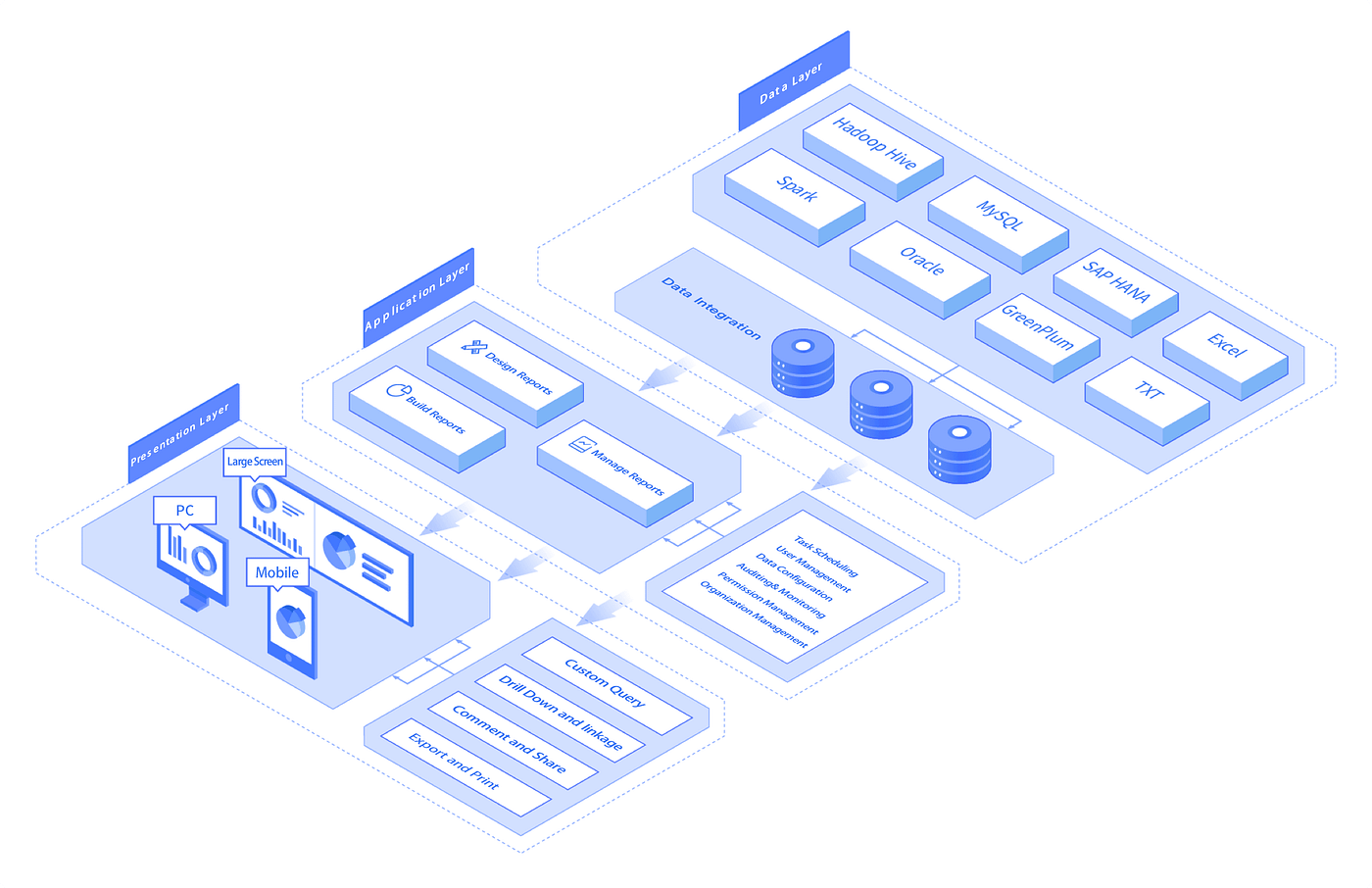
A reporting system should evolve with strategy. It should support growth, not slow it down. The phases below outline a practical approach to building a system that works.
Phase 1: Define Success in Business Terms—Not Vague Aspirations
Every reporting system starts with clarity. Before choosing metrics, define success. This definition must be concrete and measurable.
Avoid vague goals like “improve efficiency” or “enhance experience.” These phrases lack direction. Instead, define outcomes. Reduce costs by a clear percentage. Improve retention by a specific amount. Increase adoption within a set timeframe.
Business-focused success creates alignment. Teams understand what matters. Metrics become meaningful. Reporting becomes purposeful.
This phase also sets boundaries. It clarifies what not to measure. Removing unnecessary metrics reduces noise and distraction.
Phase 2: Make Progress Visible in Real Time
Visibility drives action. When progress is visible, teams stay engaged. Leaders stay informed. Problems surface early.
Real-time visibility does not mean tracking everything instantly. It means updating metrics often enough to support decisions. Some metrics need daily updates. Others need weekly or monthly reviews.
Choose visibility methods based on need. Dashboards work well for ongoing tracking. Status summaries support periodic review. The goal is timely insight.
Visibility should also be shared. Avoid hidden reports. Transparency builds trust and accountability. When everyone sees the same data, alignment improves.
Phase 3: Automate What Slows You Down
Manual reporting drains energy. It consumes time that teams could use to solve problems. Automation removes friction.
Automated data collection reduces errors. It ensures consistency. It also frees teams from repetitive tasks.
Focus automation on high-effort, low-value work. Data syncing. Status updates. Basic calculations. These tasks should not rely on manual input.
Automation does not remove human judgment. It supports it. Teams spend less time collecting data and more time analyzing it.
Phase 4: Catch Risks Early—Before They Snowball
Risk management should be proactive. Reporting systems must surface risk signals early. This requires clear thresholds and ownership.
Define what “off-track” looks like. Set warning levels. Assign responsibility for monitoring and response.
Risk reporting should be routine, not reactive. Regular reviews prevent surprises. They create a culture of preparedness.
When risks are visible early, leaders can intervene calmly. This prevents crisis-driven decisions and protects strategic momentum.
Phase 5: Pair Data With Narrative for True Clarity
Data shows trends. Narrative explains them. Together, they create understanding.
Pair each major metric with context. Explain changes. Highlight blockers. Share lessons learned.
Narrative also humanizes reporting. It captures team sentiment and challenges. This builds empathy and support.
The best reporting systems combine structure and story. They deliver clarity without losing meaning.
The Mistakes Everyone Makes (And How to Avoid Them)

Even the best strategies fail when reporting is done the wrong way. Most reporting problems are not caused by bad tools. They are caused by poor habits and unclear intent. These mistakes show up across teams, industries, and company sizes. The good news is that each mistake can be fixed with the right mindset and process.
Below are the most common reporting mistakes and how to avoid them.
Mistake 1: Measuring Activity Instead of Outcomes
This is the most common mistake. Teams measure what is easy instead of what matters. They track meetings held, tasks completed, and hours logged. These numbers feel productive, but they do not prove progress.
Activity shows effort. Outcomes show impact. Strategic initiatives exist to change results, not to stay busy. When reporting focuses on activity, teams may look successful while failing to move the business forward.
To avoid this mistake, start by defining outcomes first. Ask what success looks like in business terms. Then work backward to choose metrics that show movement toward that goal. Use activity metrics only when they explain outcomes, not as proof of success.
A good rule is simple. If a metric cannot guide a decision, remove it. Fewer outcome-focused metrics create more clarity than many activity-based ones.
Mistake 2: Letting Reporting Become a Performance Review
Reporting often becomes stressful because it feels like judgment. When updates are used to evaluate individuals, teams start protecting themselves. They hide issues. They soften language. They delay sharing bad news.
This behavior damages strategy execution. Leaders learn about problems too late. Trust breaks down. Reporting becomes a chore instead of a tool.
To fix this, separate reporting from performance evaluation. Reporting should focus on progress, risks, and learning. Not personal success or failure. The goal is to improve outcomes, not assign blame.
Leaders play a key role here. When leaders respond to issues with support instead of punishment, teams open up. Honest reporting becomes normal. Problems surface early, when they are easier to fix.
A healthy reporting culture rewards transparency. It treats mistakes as signals, not flaws.
Mistake 3: Fragmented Reporting Formats
Many organizations use too many formats. Spreadsheets, slides, emails, chat updates, and documents all exist at once. Information gets scattered. No one knows which version is correct.
Fragmented reporting wastes time. Teams spend energy updating the same data in different places. Leaders struggle to get a clear picture. Decisions slow down.
To avoid this, standardize reporting formats. Use a small set of tools and templates. Each report should have a clear purpose and audience.
Consistency matters more than perfection. When teams know where to find updates and how to read them, alignment improves. Reporting becomes faster and easier.
A single source of truth reduces confusion. It keeps everyone focused on the same goals and data.
Mistake 4: Wasting Time on Manual Updates
Manual reporting is slow and error-prone. Teams copy data between systems. They update charts by hand. They chase status updates before meetings.
This work adds little value. It drains time and energy. It also delays insights. By the time reports are ready, the data is already outdated.
The solution is automation. Automate data collection wherever possible. Sync systems. Use tools that update metrics in real time or on a set schedule.
Automation does not remove responsibility. Teams still own accuracy and insight. But it removes repetitive work. This frees time for analysis and decision-making.
When reporting is easy to maintain, it actually gets used.
Mistake 5: Reporting Too Late, Too Infrequently
Many teams report monthly or quarterly. This cadence works for financial summaries. It does not work for strategic initiatives.
Strategic work moves fast. Risks grow quickly. Waiting weeks to review progress removes the chance to act early.
Late reporting turns updates into history lessons. They explain what went wrong instead of preventing it.
To avoid this, match reporting frequency to decision speed. High-risk initiatives need frequent updates. Some metrics need weekly reviews. Others need daily visibility.
Timely reporting supports course correction. It allows leaders to adjust scope, resources, or priorities before damage spreads.
Remember, reporting is only useful while action is still possible.
Mistake 6: Ignoring Qualitative Signals
Numbers tell only part of the story. Teams often ignore qualitative signals like morale, confidence, and stress. These signals are harder to measure, but they matter deeply.
Burnout rarely appears in metrics until it is too late. Missed deadlines, quality drops, and attrition follow emotional strain.
Ignoring qualitative signals creates blind spots. Leaders think initiatives are healthy when teams are struggling.
To fix this, include simple sentiment checks. Ask teams how they feel about workload, clarity, and risk. Encourage open feedback.
Qualitative insights add context to data. They explain why performance changes. They help leaders support teams proactively.
Healthy teams deliver better results. Reporting should reflect both numbers and human reality.
Turning Mistakes Into Strengths
These mistakes are common because they feel familiar. Many teams inherit them without question. Fixing them requires intention and leadership support.
Strong reporting systems focus on outcomes, trust, clarity, and action. They simplify instead of complicate. They help people make better decisions.
When mistakes are addressed, reporting stops feeling heavy. It becomes a shared system that supports strategy execution.
The goal is not perfect reporting. The goal is useful reporting. Reporting that helps teams see clearly, act early, and stay aligned with what truly matters.
Frequently Asked Questions
1. What should be included in a strategic initiative report?
A strategic initiative report should clearly show progress against goals, risks, and insights that help leaders make decisions. It should include measurable outcomes tied to business objectives, key milestones achieved, risks identified with actionable steps, and resource usage that reflects effort versus results. Reports should balance data with clear explanation so readers not only see numbers but understand what they mean for the strategy’s success.
2. How often should you report on strategic initiatives?
The frequency of reporting depends on how fast decisions need to be made. For active initiatives, frequent updates are best—weekly or monthly—so leaders catch early warning signs and adjust quickly. Some indicators may require real-time dashboards, while formal summaries may be shared at key milestones. The key is timely information that supports action before problems grow.
3. Which frameworks are best for reporting on large-scale initiatives?
Large-scale initiatives benefit from frameworks that balance clarity, alignment, and context. Balanced Scorecards help keep strategic goals visible across financial, customer, internal process, and learning areas. OKRs align teams around measurable outcomes without micromanagement. Dashboards give real-time visibility into key performance indicators. Narrative reports add meaning and explanation to numbers so leaders understand the “why” behind performance.
4. How can AI improve strategic initiative reporting?
AI can speed up reporting by analyzing large data sets, spotting trends and risks before humans notice, and suggesting areas of focus. AI engines can help predict outcomes, identify dependencies, and provide scenario planning insights that support strategic choices. It can also automate repetitive tasks like data aggregation and trend visualization so teams spend more time on interpretation and decisions.
5. How does Corexta help with executive-level reporting?
Corexta is an all-in-one business management platform that centralizes data from projects, tasks, finance, HR, and operations into one hub, giving executives a unified view of performance. It streamlines progress tracking, milestone monitoring, and real-time visibility so leaders don’t chase fragmented updates. Corexta’s customizable dashboards and reporting tools help executives see trends and risks clearly, improve collaboration across teams, and ensure strategic initiatives align with overall business goals. By bringing data, communication, and workflows together, Corexta supports better decision-making and reduces manual reporting work.
Read More: What Are Datacenter Proxies? How They Work, Types, Use Cases, Pros & Cons