Time management has become more challenging than ever, especially with constant digital distractions, competing priorities, and increasing workload demands. Many people struggle to stay focused for long periods, leading to procrastination, stress, and incomplete tasks. That’s where the Pomodoro Technique comes in — a structured, science-backed method that helps you work with your brain’s natural rhythms rather than against them.
The Pomodoro Technique is more than just a timed work strategy. It’s a productivity system designed to improve concentration, reduce burnout, and break overwhelming tasks into manageable chunks. Whether you’re a student trying to study better, a professional aiming to stay consistent, or a creator seeking deeper focus, this technique offers a simple yet powerful way to reclaim your time and maintain sustainable productivity throughout the day.
In this guide, you’ll learn what the Pomodoro Technique is, how to use it step-by-step, its benefits, challenges, examples, and even how tools can help you apply it more effectively. By the end, you’ll have a practical, actionable approach to staying focused and getting more done — without feeling exhausted.
What Is the Pomodoro Technique?
The Pomodoro Technique is a time management method developed in the late 1980s by Francesco Cirillo. The name “Pomodoro” (Italian for tomato) comes from the tomato-shaped kitchen timer Cirillo used while studying. The technique revolves around short, highly focused work sessions followed by brief breaks — a pattern designed to maximize attention and mental stamina.
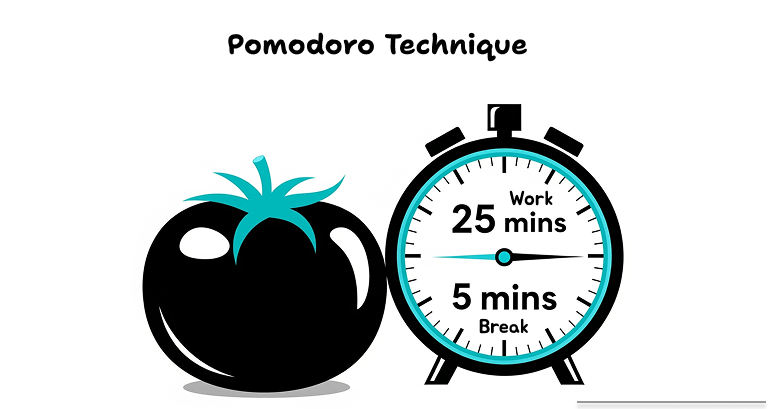
At its core, the Pomodoro Technique breaks your workflow into cycles:
-
25 minutes of focused work (called a Pomodoro)
-
5 minutes of rest
-
After four Pomodoros, take a longer break of 15–30 minutes
This structured rhythm helps prevent mental fatigue, encourages deep concentration, and trains your brain to stay engaged for meaningful periods. Over time, many users find they can enter a state of flow more consistently and complete tasks more efficiently.
The beauty of the Pomodoro Technique lies in its simplicity. You only need:
-
A timer
-
A clear task
-
Commitment to focus during each session
Despite its simple nature, the technique has gained global popularity because it enhances productivity, reduces procrastination, and helps individuals maintain a healthy balance between work and rest. It is now commonly used by students, freelancers, office professionals, developers, writers, and anyone who needs to manage their time with intention.

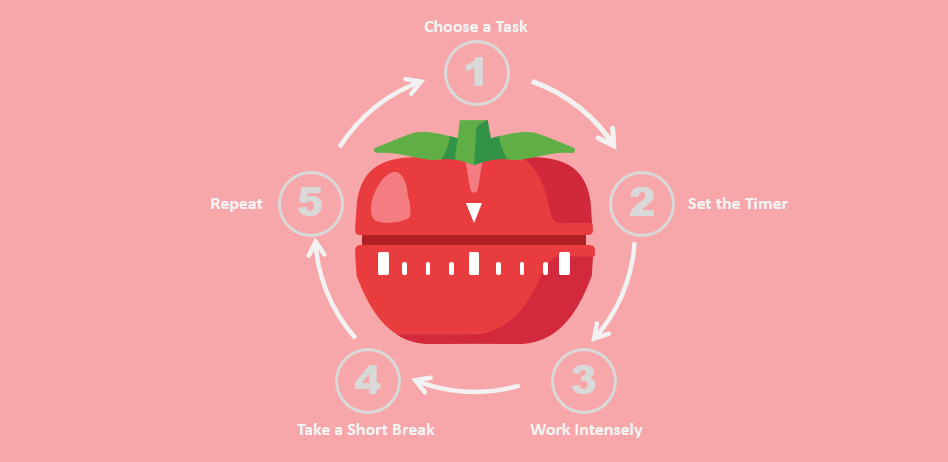
How to Use the Pomodoro Technique (Step-by-Step)
The Pomodoro Technique is effective because it’s simple, structured, and easy to follow. Here’s exactly how to implement it in your daily workflow:
1. Choose a Task
Start by selecting a specific task you want to work on. It can be anything — writing an article, studying a chapter, completing administrative work, or coding a feature.
The key is clarity. Clearly defining your task helps you avoid multitasking and makes your focus sessions more effective.
Tip: If your task feels too large, break it into smaller, actionable steps before starting.
2. Set a Timer for 25 Minutes
Set a timer for 25 minutes, which will be your focused work interval (known as a Pomodoro).
You can use a physical timer, a timer on your phone, or a digital Pomodoro app — whichever helps you stay on track.
During this time, commit to working uninterrupted.
3. Work on That Task Only Until the Timer Rings
Once the timer starts, focus completely on your chosen task. No switching tabs, checking emails, or multitasking.
If a distracting thought pops into your mind, jot it down quickly and return to your work.
This uninterrupted session helps train your brain to concentrate deeply.
4. Take a 5-Minute Break
When the timer rings, stop working — even if you’re in flow. Then take a 5-minute break.
Use this brief rest to:
-
Stand up and stretch
-
Drink water
-
Relax your eyes
-
Move around
The purpose of the break is to reset your mind and prevent cognitive fatigue.
5. Repeat for Four Pomodoros
After completing one cycle of work + short break, begin another Pomodoro.
Do this four times to complete a full Pomodoro set.
This structure helps you maintain consistent productivity throughout longer work sessions without burning out.
6. Review What You Accomplished
Once you finish four Pomodoros (about two hours of focused work), take a moment to review your progress.
This quick reflection helps you:
-
Track how much work you’ve completed
-
Identify what still needs attention
-
Understand how long tasks truly take
-
Improve your planning accuracy over time
Many people use a notebook, digital tracker, or productivity tool to log their Pomodoro sessions and evaluate performance.
Core Components of the Pomodoro Technique
The effectiveness of the Pomodoro Technique comes from its simple yet powerful structure. Each element is designed to support focused work, prevent mental fatigue, and build a sustainable workflow. Here’s a closer look at the four core components that make this method so impactful:
1. A 25-Minute Work Session Dedicated to a Single Task
At the heart of the Pomodoro Technique is the 25-minute focused work interval. This session — known as a Pomodoro — is dedicated entirely to one task.
During this time, you should avoid multitasking, minimize interruptions, and commit to full concentration.
Why 25 minutes?
It’s long enough to make real progress but short enough to maintain peak focus. This balance helps your brain stay alert without slipping into fatigue or boredom.
2. 5-Minute Short Breaks to Refresh Your Mind and Body
After each Pomodoro, you take a 5-minute break. These mini-breaks are essential for:
-
Relaxing your mind
-
Reducing cognitive overload
-
Improving blood circulation
-
Recharging attention
Short breaks keep your workflow sustainable, especially during tasks that require deep mental effort. When used properly, they prevent burnout and help you maintain productivity throughout the day.
3. A 15–30 Minute Long Break Taken After Four Pomodoros
Once you complete four Pomodoro sessions, you earn a longer break of 15 to 30 minutes.
This extended rest period allows your brain and body to fully recover before starting another cycle.
Long breaks help you:
-
Reset mentally
-
Process what you’ve worked on
-
Restore energy
-
Maintain motivation for the next work block
Think of this as giving your brain the downtime it needs to perform at its best.
4. Timer
The timer is the backbone of the Pomodoro Technique. It acts as both a boundary and a motivator.
A timer:
-
Creates a sense of urgency
-
Keeps you accountable
-
Prevents the session from stretching longer than intended
-
Helps train the brain to focus for specific intervals
You can use a physical kitchen timer (like Cirillo’s original tomato timer), a phone timer, or a digital Pomodoro tool. What matters is consistency — the timer signals when to work and when to rest, allowing you to build a disciplined routine.
Benefits of the Pomodoro Technique
The Pomodoro Technique has gained worldwide popularity because it helps individuals work smarter, not harder. By structuring your time into focused intervals with purposeful breaks, you tap into a more efficient and sustainable way of getting things done. Here are the key benefits:
Enhances Focus and Concentration
By dedicating 25 uninterrupted minutes to a single task, the technique minimizes multitasking and distractions. This trains your brain to stay focused for longer periods and helps you enter deep work more easily.
Reduces Mental Fatigue
Frequent breaks prevent burnout and cognitive overload. Instead of working until exhaustion, you maintain a steady rhythm that allows your mind to rest and recharge.
Improves Time Awareness
The Pomodoro Technique helps you understand how long tasks actually take. Over time, you’ll develop better planning skills and more accurate time estimates for future work.
Boosts Productivity and Efficiency
Short, concentrated sessions create a sense of urgency that increases output. This helps you complete tasks faster and with higher quality.
Encourages Accountability
Each Pomodoro is a measurable unit of time. Tracking them helps you stay committed and builds a sense of accomplishment as you progress through your goals.
Reduces Procrastination
Knowing you only need to work for 25 minutes makes tasks feel less intimidating. This structure helps overcome the mental resistance that often leads to procrastination.
Supports Better Work–Life Balance
With intentional breaks and structured sessions, you avoid overworking. The technique helps you finish tasks efficiently, leaving more time for leisure and personal activities.

Tips for Effective Pomodoro Technique Implementation
Mastering the Pomodoro Technique requires more than just working in 25-minute intervals. To get the most out of it, consider the following tips:
1. Set Clear Goals and Break Down Large Tasks
Before starting your Pomodoro, identify exactly what you want to accomplish.
If your task is too big or vague, break it into smaller, actionable steps.
Example:
Instead of “Write a blog,” break it down to:
-
Outline the blog
-
Write the introduction
-
Draft section one
-
Edit the final draft
Clear goals make your Pomodoros more focused and achievable.
2. Eliminate Distractions to Maintain Focus
Distractions can ruin the effectiveness of a Pomodoro session. Before you begin:
-
Silence your phone
-
Close irrelevant tabs
-
Notify others you’re focusing
-
Use website blockers if needed
The more you protect your 25-minute session, the more productive it becomes.
3. Track Progress
Tracking your completed Pomodoros helps you understand your productivity patterns and keeps you motivated. You can use:
-
A notebook or journal
-
A dedicated Pomodoro app
-
Productivity platforms
By reviewing your progress, you’ll identify which tasks take the most time and how you can optimize your workflow.
4. Adapt the Technique to Your Needs
The traditional 25/5 structure doesn’t work for everyone — and that’s okay.
Feel free to adjust:
-
Work intervals
-
Break lengths
-
Number of Pomodoros in a cycle
Some people prefer 50-minute focus blocks with 10-minute breaks, while others find shorter work sessions more effective. The key is consistency and finding a rhythm that suits your energy levels and work style.
Popular Usage and Examples of the Pomodoro Technique
The Pomodoro Technique is versatile and widely used across different fields because it supports deep focus, reduces overwhelm, and organizes time into manageable blocks. Here are some common scenarios where the technique excels:
1. Creative Tasks
Creative work often demands long periods of uninterrupted concentration, which can be difficult to maintain. Pomodoro sessions help creatives stay focused without burning out.
Examples include:
-
Writing blog posts, books, scripts, or social content
-
Designing graphics or UI layouts
-
Editing videos or photos
-
Coding, developing apps, or solving programming problems
-
Brainstorming ideas or planning creative projects
The 25-minute intervals help creatives get into a flow state while the breaks prevent mental fatigue, keeping creativity fresh and sustainable.
2. Administrative Duties
Administrative tasks may seem small, but they can pile up quickly. The Pomodoro Technique offers an efficient way to manage routine or repetitive responsibilities.
Examples include:
-
Responding to emails
-
Organizing documents or files
-
Updating reports or spreadsheets
-
Processing invoices, expenses, or customer requests
-
Scheduling meetings or updating calendars
By batching these tasks into Pomodoros, you avoid context-switching and get through routine work more efficiently.
3. Studying
Students frequently use the Pomodoro Technique to stay focused, especially when dealing with large volumes of study materials or tight deadlines.
Examples include:
-
Reviewing chapters or textbooks
-
Completing assignments
-
Preparing for exams
-
Watching lectures or taking notes
-
Practicing problem-solving or tutorials
The structure helps students maintain concentration, avoid burnout, and retain information more effectively.
History of the Pomodoro Technique
The Pomodoro Technique was developed in the late 1980s by Francesco Cirillo, an Italian university student who struggled with staying focused while studying. Determined to improve his productivity, he experimented with different time blocks until he found that a 25-minute focused session with short breaks worked best for maintaining concentration.
Cirillo used a tomato-shaped kitchen timer — which inspired the name “Pomodoro,” the Italian word for tomato.
Over time, he refined the approach into a complete time management system, which he later formalized into a method and teaching framework. The technique gained popularity because of its simplicity, effectiveness, and science-backed approach to mental stamina and task management.
Today, the Pomodoro Technique is used globally by students, professionals, teams, and productivity enthusiasts. It has become one of the most widely adopted time management strategies, influencing the design of dozens of apps, tools, and productivity systems.
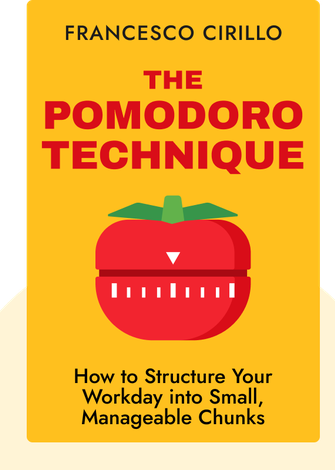
Suggested Reading: The Pomodoro Technique by Francesco Cirillo
For those who want to explore the method in greater depth, Francesco Cirillo’s book The Pomodoro Technique is the definitive guide. It explains:
-
The psychology behind timed focus
-
How to break tasks into Pomodoro units
-
Strategies for measuring and improving productivity
-
Advanced techniques for overcoming distractions
-
Ways to adapt the method for different work styles
The book offers actionable steps, real-world examples, and valuable insights into building a long-term productivity system. Whether you’re new to Pomodoros or want to refine your workflow, this book provides the foundation needed to fully master the technique.
Challenges in Using the Pomodoro Technique
While the Pomodoro Technique is highly effective for many people, it’s not without its challenges. Some users may find certain aspects difficult to manage, especially when dealing with unpredictable schedules, varied work styles, or complex tasks. Understanding these challenges can help you adapt the technique more effectively to your needs.
1. Rigidity
The Pomodoro Technique follows strict time intervals: 25 minutes of work followed by a 5-minute break.
For some, this structure may feel too rigid.
Common issues include:
-
Difficulty stopping work when the timer rings, especially during a productive flow
-
Feeling restricted by the fixed time blocks
-
Tasks that naturally require longer continuous focus not fitting well into the 25-minute format
Solution:
Customize your Pomodoro intervals. Many people use 40/10 or 50/10 cycles depending on personal preference and task type.
2. Interruptions
Interruptions — whether internal or external — can significantly disrupt a Pomodoro session.
Typical interruptions include:
-
Urgent emails or messages
-
Co-workers requesting help
-
Phone calls
-
Personal distractions or thoughts
Because a Pomodoro must be fully focused to “count,” even minor disruptions can cause the session to lose effectiveness.
Solution:
Communicate your focus times, silence notifications, and keep a “distraction log” to note down anything that pops up so you can address it later.
3. Uneven Tasks
Not all tasks neatly fit into 25-minute increments. Some tasks may take only a few minutes, while others require hours of uninterrupted attention.
Challenges include:
-
Short tasks may feel too insignificant for a whole Pomodoro
-
Large, complex projects may be hard to divide into uniform intervals
Solution:
-
Batch smaller tasks together into one Pomodoro
-
Break complex tasks into sub-tasks that fit into multiple Pomodoro cycles
This keeps your workflow flexible while still benefiting from structured focus.
4. Planning
The Pomodoro Technique requires careful planning to determine which tasks belong to which session. For beginners, this can be overwhelming.
Common planning obstacles:
-
Underestimating or overestimating how many Pomodoros a task requires
-
Spending too much time organizing instead of working
-
Difficulty prioritizing tasks for the day
Solution:
Start by estimating loosely and refine your planning over time. The more you track Pomodoros, the better you’ll become at predicting task duration.
5. Focus on Quantity
Some users become overly focused on counting Pomodoros rather than evaluating the quality of their work.
This can lead to:
-
Racing to complete more Pomodoros instead of focusing on meaningful output
-
Feeling discouraged on low-energy days
-
Prioritizing tasks that “fit the timer” over tasks that matter most
The Pomodoro Technique is meant to enhance quality and focus, not create pressure.
Solution:
Use Pomodoro counts as guidance, not a performance measure. Focus on outcomes, not just the number of cycles completed.
How to Implement the Pomodoro Technique in Corexta
Corexta makes it easy to apply the Pomodoro Technique in a structured and trackable way. Instead of managing timers manually or relying on separate apps, you can integrate Pomodoro sessions directly into your workflow. This helps you stay organized, monitor progress, and maintain consistency across tasks and projects.
Here’s how you can implement Pomodoro-focused productivity inside Corexta:
1. Start by Defining Your Task Inside Corexta
Begin by selecting the project or task you want to focus on. In Corexta, you can:
-
Assign tasks to yourself
-
Set priorities and deadlines
-
Break larger tasks into subtasks
This ensures that each Pomodoro session is attached to a clearly defined action, improving focus and accountability.
2. Use the Timer or Time-Tracking Feature
Corexta’s built-in time-tracking tools allow you to run a Pomodoro timer right inside the platform.
You can:
-
Start a 25-minute focus session directly from the task
-
Pause only when absolutely necessary
-
Automatically log the Pomodoro when the session ends
This eliminates the need to use external Pomodoro apps and keeps all your time data organized in one place.
3. Log Notes After Each Pomodoro
After each 25-minute session, Corexta allows you to add notes or updates. Use this as a quick reflection point to record:
-
What you accomplished
-
What roadblocks you encountered
-
What you plan to focus on next
These notes help improve clarity, track incremental progress, and inform better planning for future tasks.
4. Take Short and Long Breaks Intentionally
Corexta reminds you to take your breaks between sessions. Following the Pomodoro rhythm:
-
5-minute short breaks
-
15–30 minute long breaks after four cycles
Taking breaks intentionally helps maintain energy and prevents fatigue, ensuring you stay productive throughout the day.
5. Review Your Daily and Weekly Pomodoro Logs
Corexta’s reporting and analytics features make it easy to track how much time you’ve invested in each task or project.
You can view:
-
Total number of Pomodoros completed
-
Time spent per task
-
Productivity patterns over time
These insights help you refine your planning, estimate task durations more accurately, and improve overall workload management.
6. Sync Pomodoro Sessions With Team Workflows
For teams using Corexta, Pomodoro logs help with:
-
Better visibility into workload
-
Realistic benchmarks for task duration
-
Clearer communication about task progress
This allows team members to stay aligned without micromanagement, especially in remote or asynchronous work environments.
Focused with Pomodoros (and Corexta)
If you often feel overwhelmed, distracted, or unsure where your time is going, you’re not alone. Many people jump between tasks, multitask without realizing it, and end their day wondering what they actually accomplished. Pomodoros — combined with Corexta — bring structure and focus back into your workflow.
Here’s how the combination transforms your productivity:
Clear Priorities Replace Chaos
Instead of tackling tasks randomly, Corexta helps you organize, prioritize, and schedule your work.
Pomodoros then give each task a dedicated time block, preventing mental clutter and boosting clarity.
Distraction-Free Focus Sessions Become the Norm
Pomodoro cycles help you stay fully engaged for short bursts, while Corexta ensures all relevant task details are in one place.
No more switching apps or searching for information — everything you need is centralized.
Breaks Help You Recover, Not Lose Momentum
The Pomodoro Technique’s built-in break system keeps you refreshed without derailing your workflow.
Corexta tracks your session history so you can resume exactly where you left off with zero confusion.
Your Day Becomes Measurable and Intentional
Instead of working endlessly without structure, Pomodoro logs in Corexta show a clear record of what you’ve achieved.
This transparency helps you:
-
Recognize progress
-
Improve task estimation
-
Build confidence in your productivity
Long-Term Improvement Becomes Easy
Corexta’s tracking insights help you understand how your productivity changes over days and weeks. Combined with Pomodoros, this lets you refine your focus habits, eliminate bottlenecks, and build a smoother, more intentional workflow.
Pomodoros help you focus.
Corexta helps you stay consistent. Try Corexta free today!
FAQ (Frequently Asked Questions)
1. Do Pomodoro sessions have to be exactly 25 minutes?
No, Pomodoro sessions don’t have to be 25 minutes — this duration is simply the traditional format based on Francesco Cirillo’s original method. Many people adapt the interval to match their energy levels and workflow.
Some common variations include:
-
50/10 method: 50 minutes of work, 10-minute break
-
40/10 method: Great for deep work
-
15/3 method: Useful for beginners or highly distracting environments
The goal is to find a rhythm that helps you stay focused without burning out.
2. What types of tasks are best for the Pomodoro Technique?
The Pomodoro Technique works well for tasks that require sustained concentration or consistent progress. These include:
-
Studying or reading
-
Writing (blogs, reports, essays, scripts)
-
Coding and development
-
Creative work such as designing or brainstorming
-
Administrative work like emails, data entry, and scheduling
-
Learning new skills
-
Problem-solving and analytical tasks
It’s especially effective for tasks you tend to procrastinate on or tasks that feel overwhelming at first glance.
3. How can I adapt the Pomodoro Technique for complex tasks in Corexta?
When working on complex tasks, Corexta helps you break them down into manageable pieces that fit neatly within Pomodoro cycles.
Here’s how to adapt Pomodoros for complex work inside Corexta:
-
Break the large task into subtasks using Corexta’s task management features
-
Assign Pomodoro sessions to each subtask
-
Track time spent to understand how long each part truly takes
-
Use notes after each session to document progress or insights
-
Adjust future Pomodoros based on actual performance and the complexity of the work
This method helps prevent overwhelm and ensures each part of a large project moves forward steadily.
4. What’s the benefit of tracking Pomodoros inside Corexta vs. using a standalone app?
Tracking Pomodoros directly inside Corexta offers several advantages:
-
Centralized workflow: All tasks, notes, timers, and logs are in one platform
-
Improved planning: You see exactly how many Pomodoros each task takes, helping with time estimation
-
Progress analytics: Corexta provides insights into productivity trends, workload distribution, and time investment
-
Team visibility: Teams can view each other’s Pomodoro logs for better coordination without micromanaging
-
Task accountability: Each Pomodoro is linked to a specific task or project
Standalone apps only track time. Corexta connects Pomodoros to real, measurable progress.
5. Can I plan and track daily Pomodoro sessions in Corexta?
Yes, Corexta allows you to both plan and track Pomodoros in a structured way.
You can:
-
Set up tasks and assign estimated Pomodoros
-
Run Pomodoro timers directly inside tasks
-
Automatically log completed sessions
-
View a daily and weekly breakdown of all Pomodoros
-
Adjust your plan based on actual performance
This makes daily productivity more intentional and easier to manage.
6. What should I do during Pomodoro breaks?
Breaks are a key part of the Pomodoro Technique because they refresh your mind and prevent mental fatigue.
During 5-minute short breaks, try:
-
Stretching or light movement
-
Drinking water or grabbing a quick snack
-
Deep breathing
-
Resting your eyes (look away from screens)
-
Letting your mind wander
During 15–30 minute long breaks, consider:
-
Going for a walk
-
Listening to music
-
Having a proper snack or meal
-
Doing simple chores
-
Relaxing away from the workspace
The goal is to recharge, not engage in activities that drain your energy or distract you long-term.
Read More: Best Contact Management Software of 2026